
fuel cell electric vehicles (FCEVs)
CEC
Hydrogen transportation is struggling to find momentum in California, with the number of open fueling stations decreasing again last year, while fuel prices continue to increase.
CARB
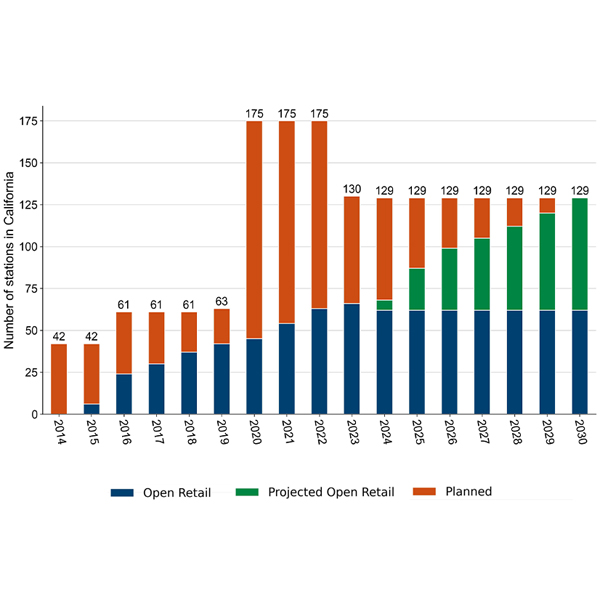
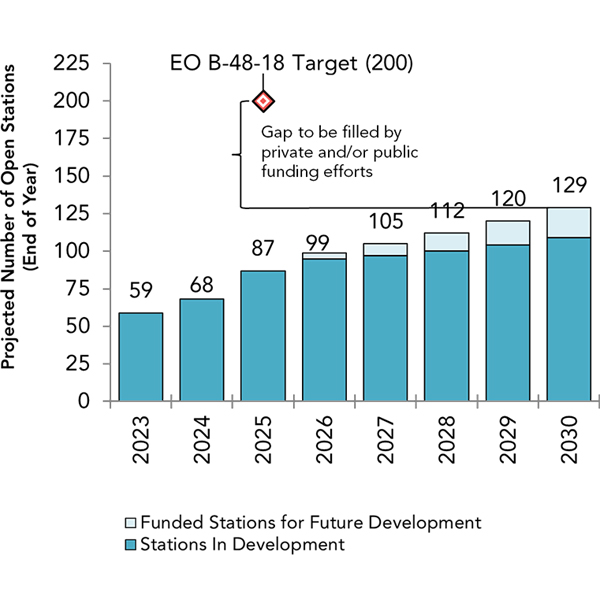
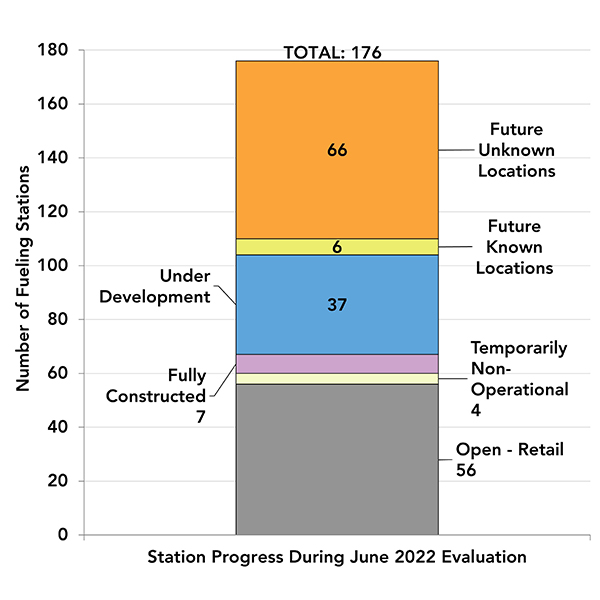
Rather than expanding its network of light-duty hydrogen-fueling stations, California lost three stations last year, casting doubt on the state’s ability to meet a 200-station goal, a new report found.
CEC and NREL
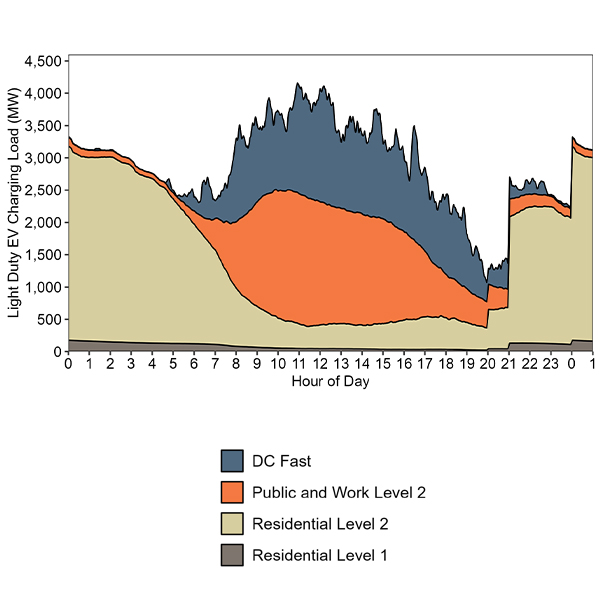
California will need to double its public EV charging infrastructure between 2030 and 2035, according to a new report by the state's Energy Commission.
DOE
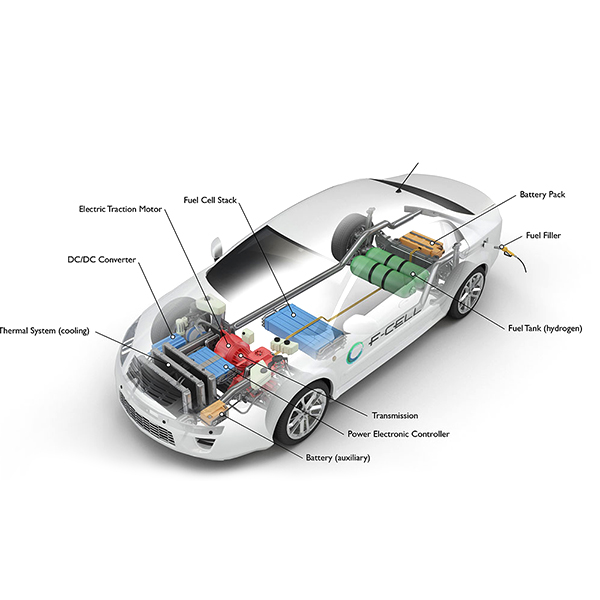
A New Jersey report focuses on the development of hydrogen fuel cell electric vehicles as an alternative to battery-powered EVs for long haul heavy-duty trucks, buses and other industrial vehicles.
Plug Power
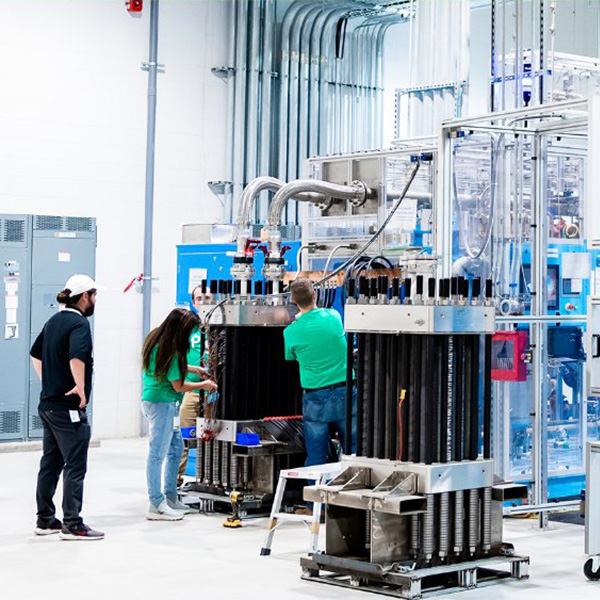
Plug Power posted a first-quarter loss of $206.6 million but still has cash on hand for ambitious expansion of hydrogen-related projects.
NACFE
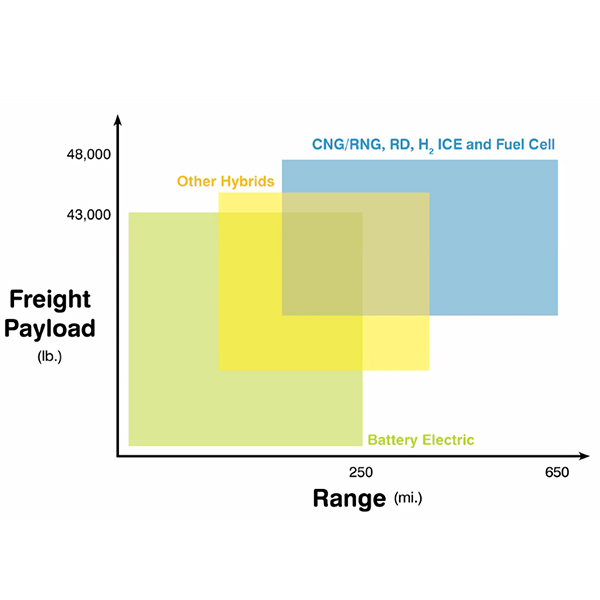
The North American Council for Freight Efficiency has concluded that hydrogen will be a factor in long-distance heavy-duty trucking.
Plug Power
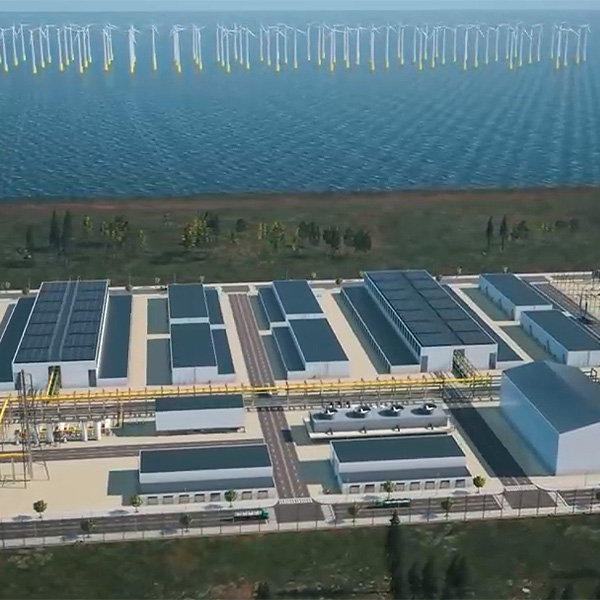
The emerging producer of fuel cells, electrolyzers and green hydrogen may have a Wall Street credibility problem.
Kenworth
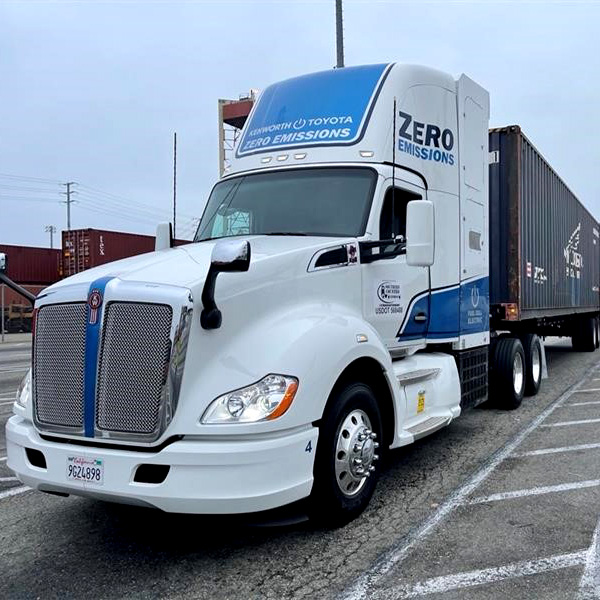
A more than year-long test of 10 hydrogen-fueled semitrucks demonstrated that the vehicles can perform roughly equally with their 5-year-old diesel equivalents.
CARB
Growth in the number of hydrogen fueling stations accelerated in California, but the state is likely a year behind on its 100-station goal.

© RTO Insider LLC
$8 billion in funding for hydrogen hubs is "a start" but won't solve all the challenges the industry faces, panelists said at Infocast’s Hydrogen Hubs Summit.
Want more? Advanced Search
