
ISO New England (ISO-NE)
ISO-NE
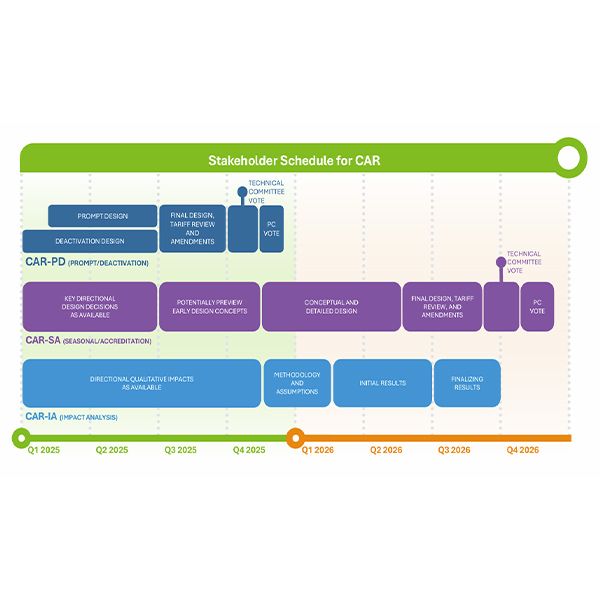
ISO-NE provided stakeholders with a high-level overview of its proposed prompt capacity market design and discussed several other aspects of its capacity auction reform project at a two-day meeting of the NEPOOL Markets Committee.
© RTO Insider LLC
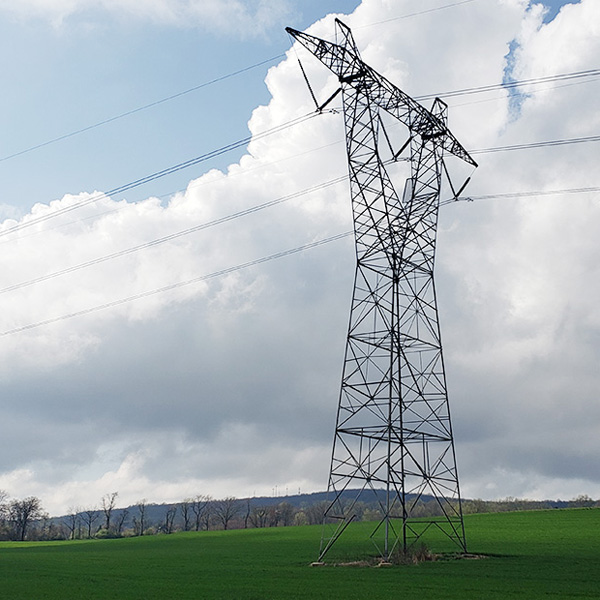
FERC approved a guarantee for National Grid to recoup all prudently incurred costs for the company’s portion of the Power Up New England transmission project if the project is terminated due to factors outside the company’s control.
© RTO Insider LLC
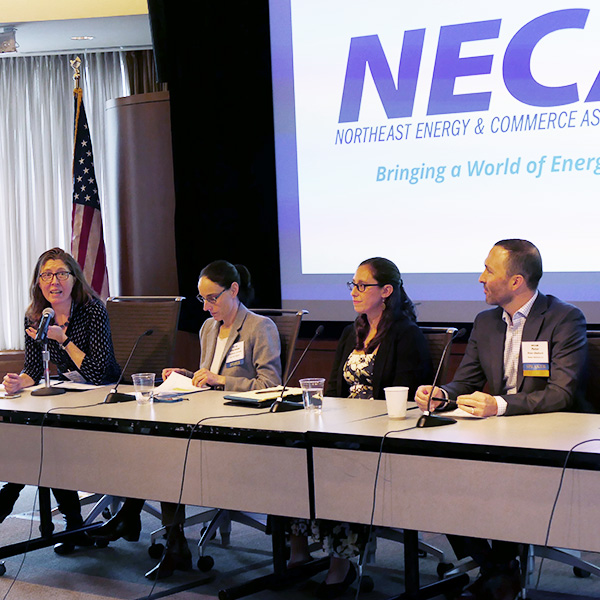
Uncertainty around federal funding, permitting approvals and tariffs is creating major challenges for clean energy development in the Northeast, industry representatives said at NECA’s annual Renewable Energy Conference.
ISO-NE
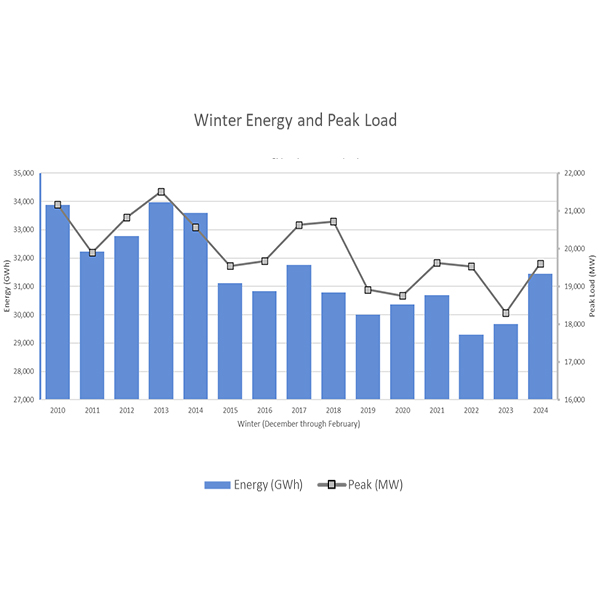
New England energy market revenues increased by roughly 150% in the winter of 2024/25 compared to the prior winter.
Shutterstock
ISO-NE requested authorization from FERC to collect import tariffs while simultaneously arguing that the RTO “is not the appropriate entity” to do so.
© RTO Insider LLC
ISO-NE revised its compliance proposal for FERC Order 904 to allow generators to be compensated for reactive power outside the standard power factor range.
Eversource
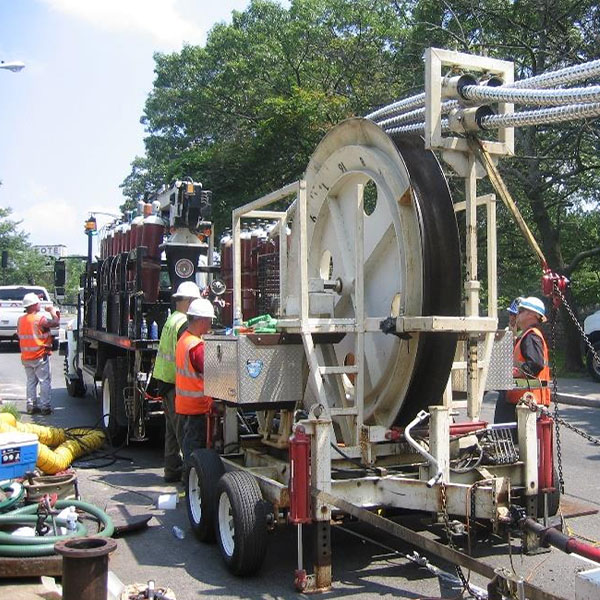
Presenting to the ISO-NE Planning Advisory Committee, Eversource Energy introduced a new set of asset-condition projects that could cost the region billions over multiple decades.
Bouchecl, CC BY-SA 3.0, via Wikimedia Commons
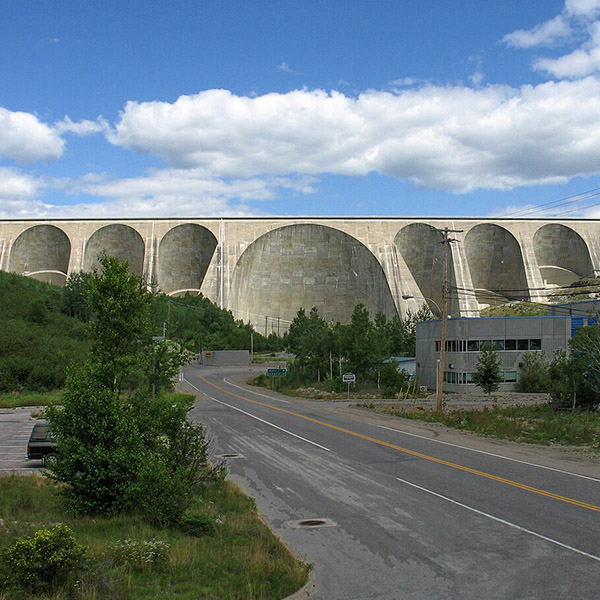
NYISO presented the Installed Capacity Working Group with two proposals it plans to file with FERC to give itself the means to collect duties in case President Trump’s tariff on Canadian energy imports applies to electricity.
NERC
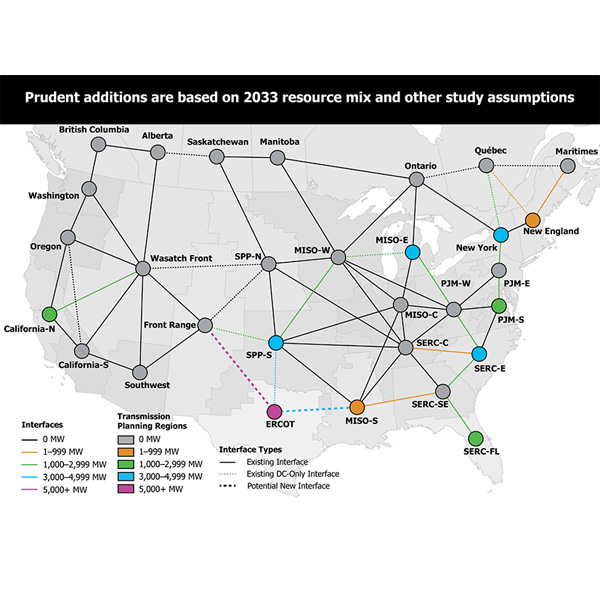
Members of the Eastern Interconnection Planning Collaborative urged regulators and policymakers not to rely solely on NERC's ITCS to guide transmission planning.
Flatiron Energy Development
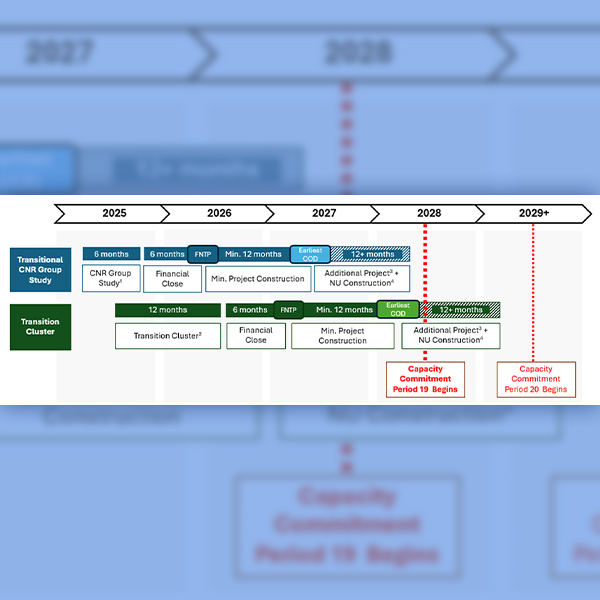
More than six months after the proposed August 2024 effective date for ISO-NE’s compliance with FERC Order 2023, generators seeking to interconnect in the region remain in limbo.
Want more? Advanced Search
