
ISO New England (ISO-NE)
ISO-NE
FERC initiated a show-cause proceeding based on concerns about the lack of provisions in the RTO’s tariff enabling corrections to incorrect payments to or from market participants.
Granite Shore Power
ISO-NE proposed to reduce its performance payment rate by more than 60% in response to concerns that excessive penalties will have unintended consequences for the capacity market.
© RTO Insider
The winter of 2025/26 was the most expensive winter in the history of ISO-NE’s wholesale markets, driven by the lowest average temperatures in 20 years.
Eversource
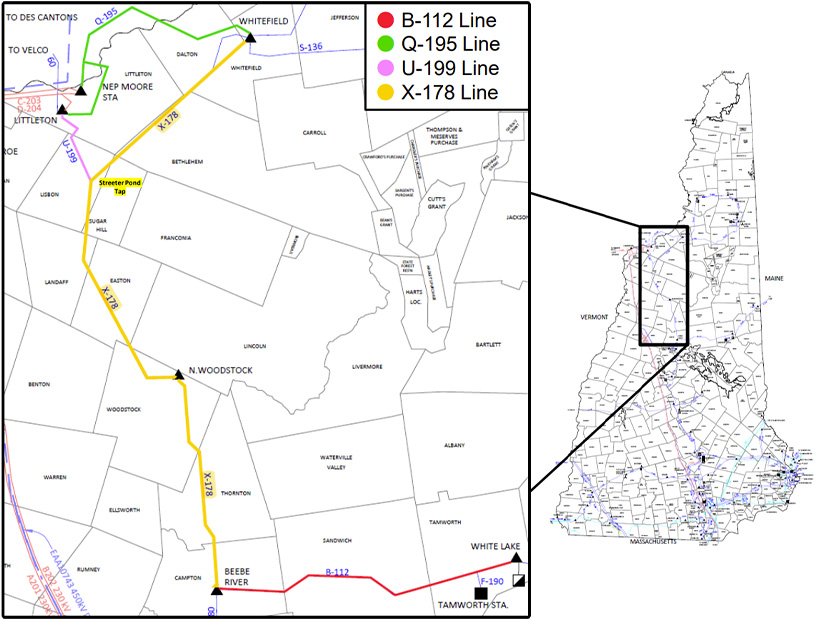
FERC dismissed a complaint about a $385 million asset condition project on an Eversource Energy transmission line in New Hampshire, finding it failed to demonstrate any violations by the company.
Fluence
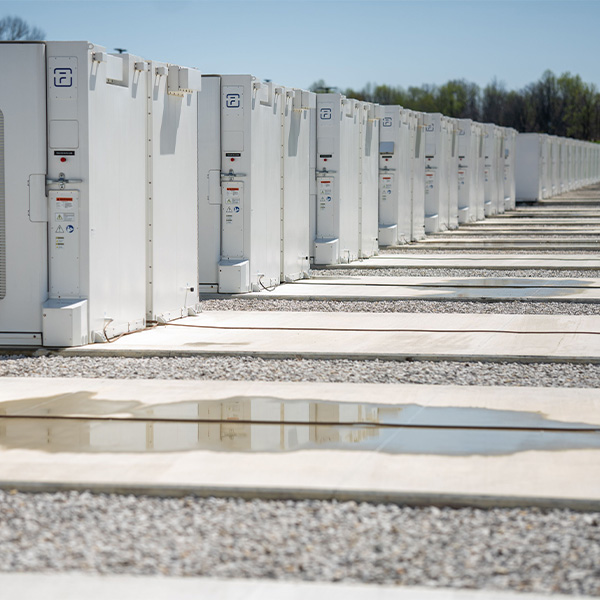
Clean energy groups are calling for changes to ISO-NE’s surplus interconnection service rules to use capacity headroom and help some resources avoid lengthy cluster study processes.
PacifiCorp
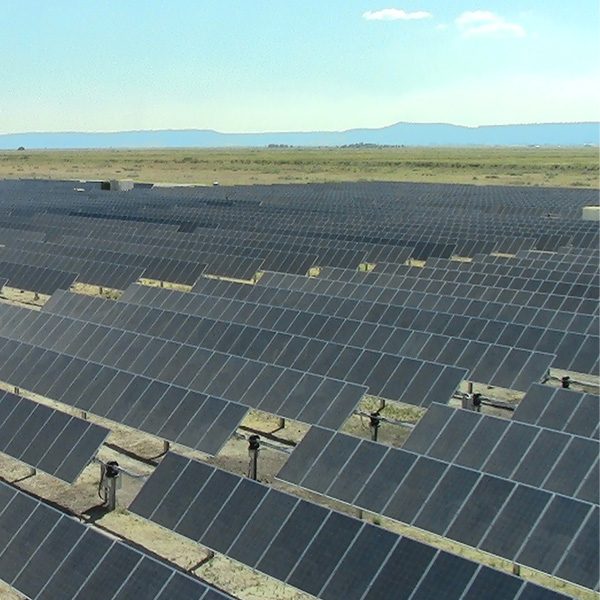
FERC accepted five new reliability standards setting requirements for model validation and data sharing for inverter-based resources.
Massachusetts Clean Peak Coalition
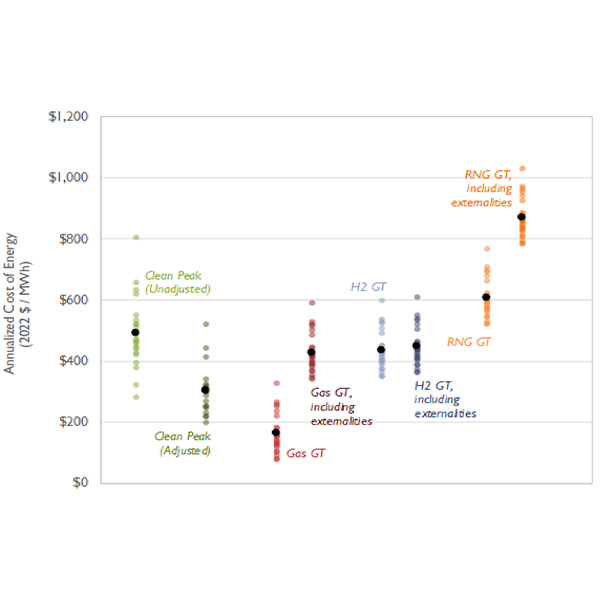
Massachusetts could decarbonize its peaking power portfolio by 2050 through aggressive deployment of wind, batteries and demand flexibility, according to a new analysis by a group of environmental nonprofits.

© RTO Insider
Just a few weeks after taking over as CEO of ISO-NE, Vamsi Chadalavada faced a trial-by-fire introduction to the job.
Windy.com
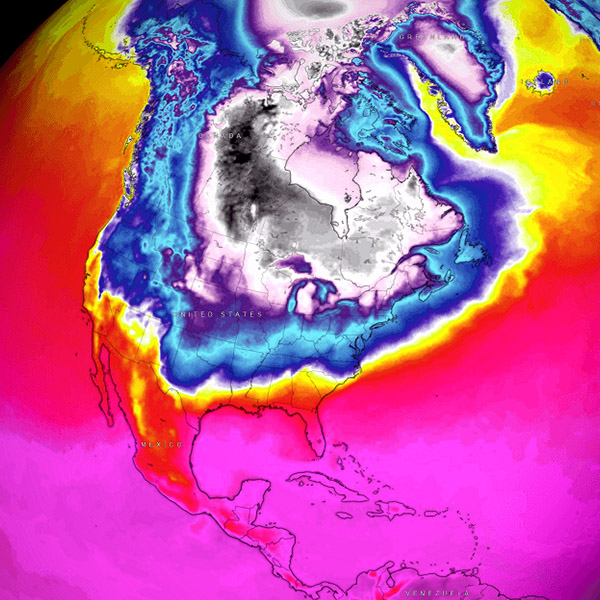
With Winter Storm Fern, we learned, once again, that our nation’s power grids rely on a significant fossil mix when the weather turns nasty, writes columnist Peter Kelly-Detwiler.
ISO-NE
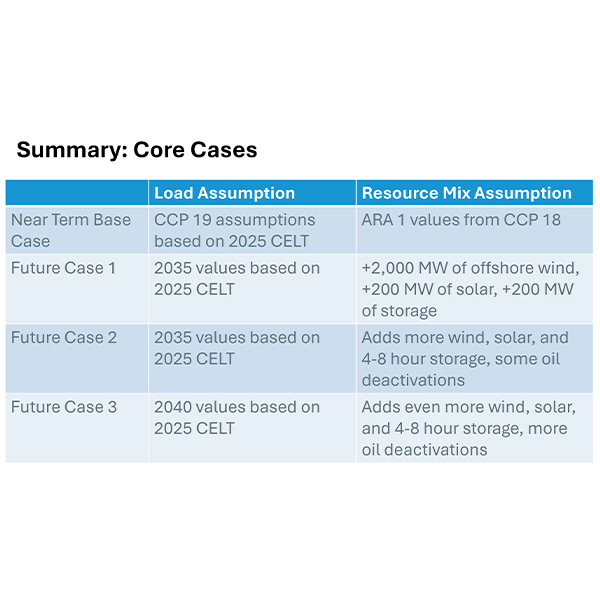
ISO-NE updated stakeholders on its methods for assessing the impacts of its proposed capacity market overhaul as it prepares to release the initial results of the long-awaited analysis.
Want more? Advanced Search
