
ISO New England (ISO-NE)

Burns & McDonnell
As the first phase of ISO-NE’s capacity market overhaul nears its final form, New England stakeholders remain mixed on the proposed move from a forward to a prompt capacity auction.
Daymark Energy Advisors
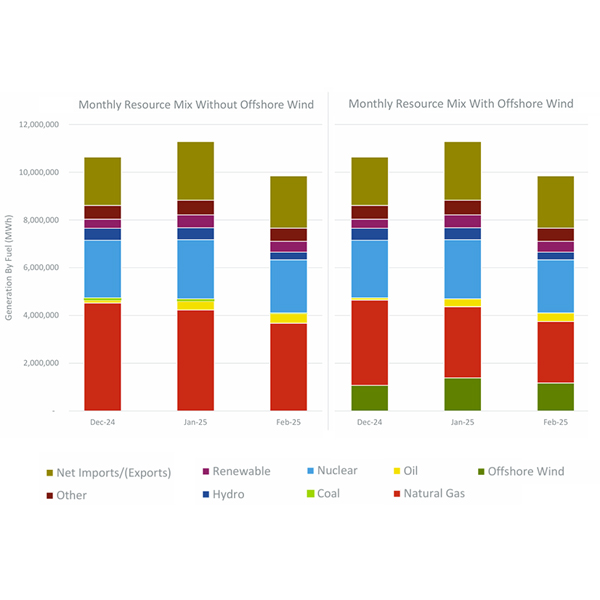
The addition of 3,500 MW of offshore wind capacity would have reduced ISO-NE energy market costs by about $400 million over the past winter, according to a recent study by Daymark Energy Advisors.

Revolution Wind
ISO-NE warned any significant delay of the Revolution Wind project will increase risk to the reliability of the New England grid and undermine the region’s economy.
Rhode Island Energy
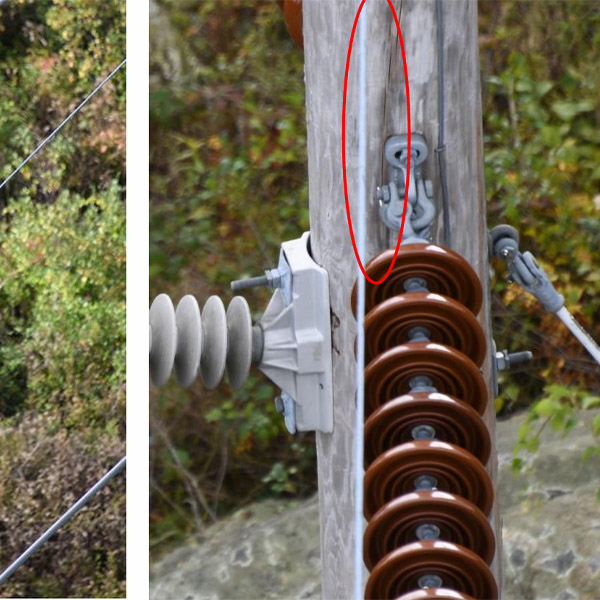
New England transmission owners have added 39 new projects in the annual update to the region’s asset condition forecast, the companies told the ISO-NE Planning Advisory Committee.
ISO-NE
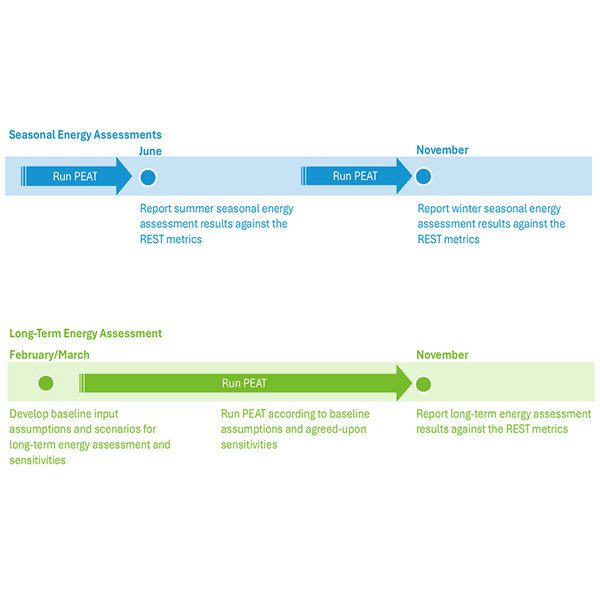
After receiving positive feedback from stakeholders, ISO-NE plans to proceed with its proposal for a quantitative threshold to determine an acceptable level of energy shortfall risk for the region.

ISO-NE
ISO-NE presented the final design details and tariff changes for the first phase of its Capacity Auction Reforms project in preparation for a stakeholder vote in October.
Shutterstock
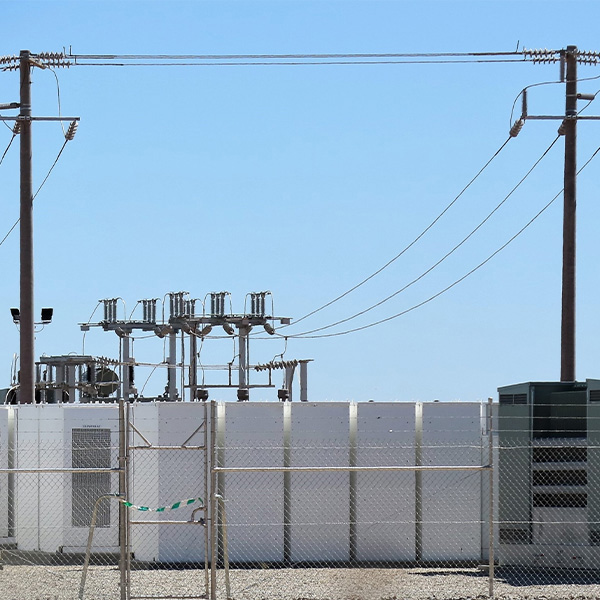
The Massachusetts Department of Energy Resources and the state’s investor-owned electric utilities have issued a request for proposals to procure up to 1,500 MW of mid-duration energy storage.
ISO-NE
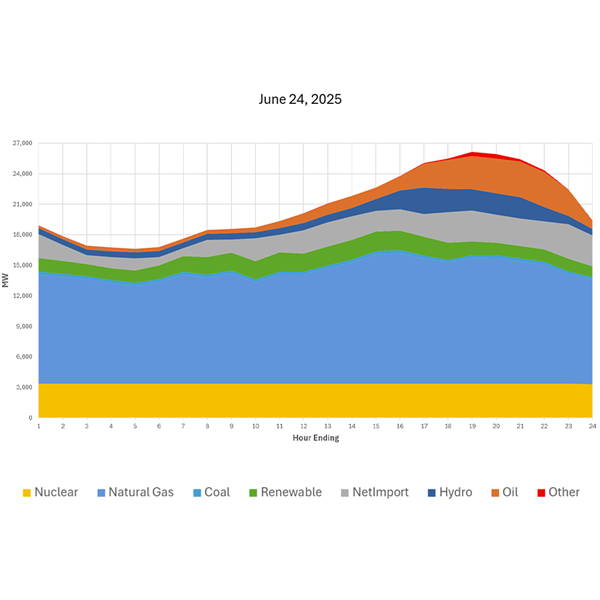
Pay-for-Performance credits accumulated during capacity scarcity conditions June 24 totaled about $114 million, ISO-NE's COO told the NEPOOL Participants Committee.

Constellation
The New England Power Generators Association is seeking immediate action from FERC to address what it calls “serious flaws” in the design of ISO-NE’s pay-for-performance mechanism.
ISO-NE
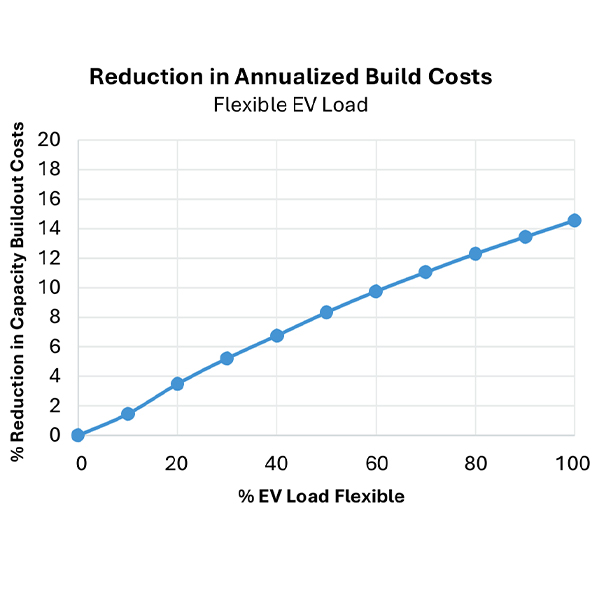
Increased demand flexibility could significantly reduce production costs, capital costs, and transmission costs in New England by better-aligning load with generation and reducing peak loads, ISO-NE said.
Want more? Advanced Search
