
Midcontinent Independent System Operator (MISO)
Motor City Electric Utilities
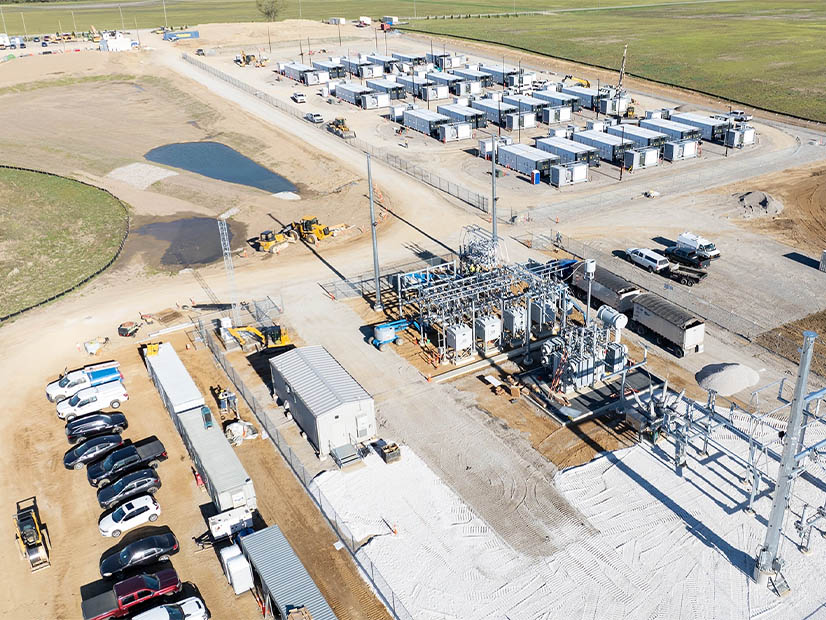
MISO announced a third, 8-GW cycle of generation projects to enter its fast-tracked interconnection process, its largest cluster yet.
MISO and SPP
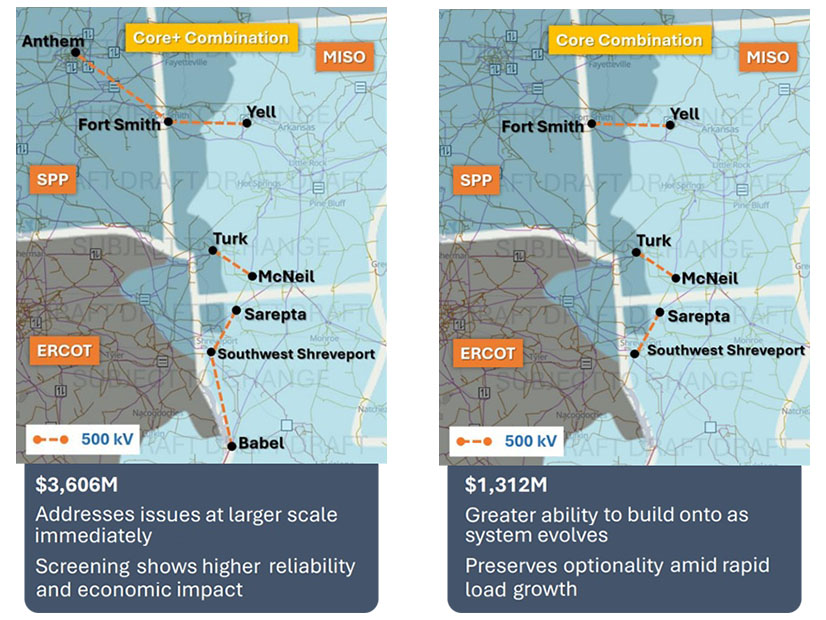
MISO and SPP put forth two potential, 500-kV joint transmission portfolios valued at either $1.3 billion or $3.6 billion to beef up their transfer capability.
MISO
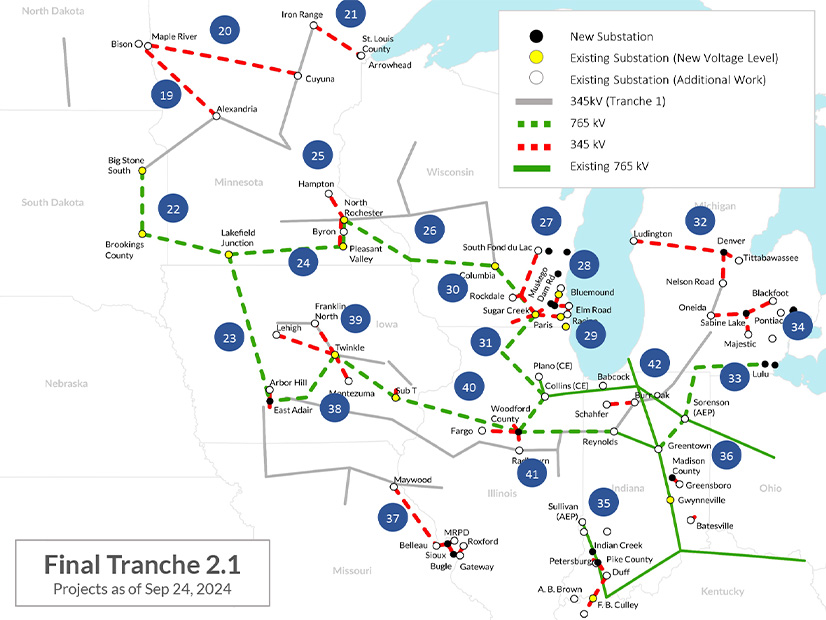
MISO opened a third review of a long-range transmission project, this time because three substations are needed more than five years ahead of schedule to accommodate new data center load.
MISO
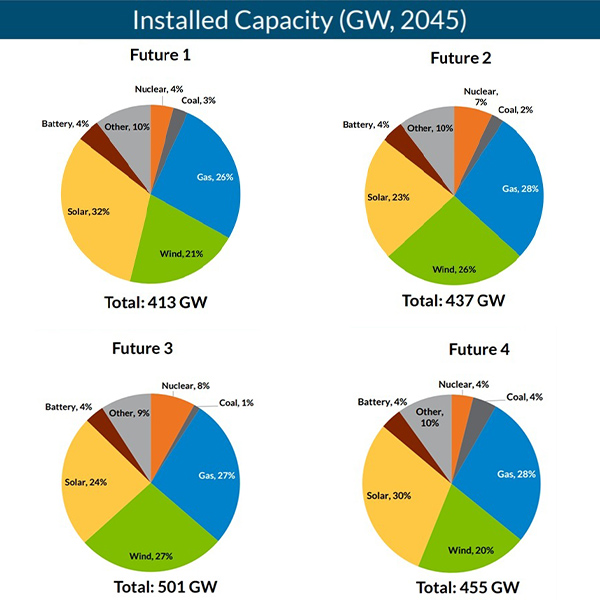
MISO said its modeling estimates show it could be in for anywhere from 413 GW to 501 GW of installed capacity in its system by 2045.

© RTO Insider
MISO and SPP credited interregional collaboration with helping them win FERC's approval of their expedited study processes.
© RTO Insider
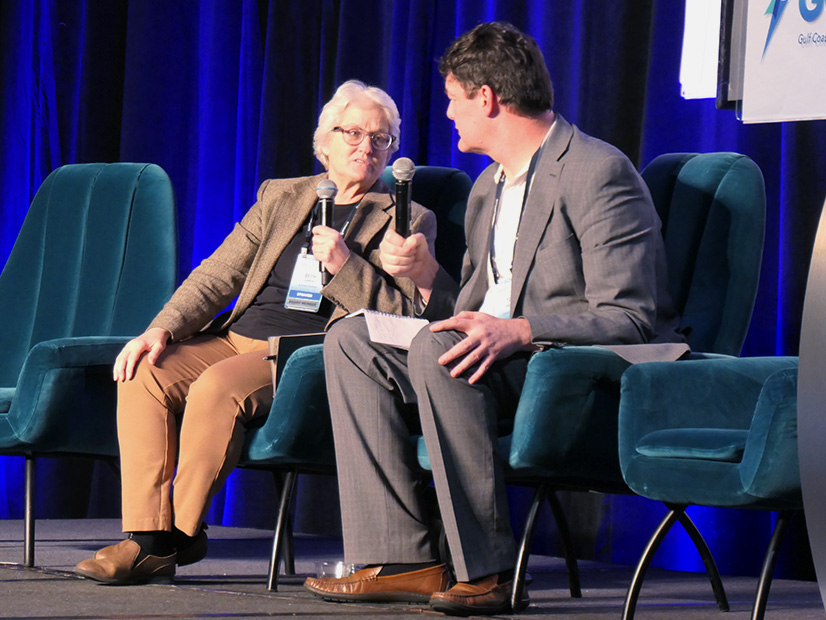
The Gulf Coast Power Association’s MISO-SPP Regional Conference showcased the rush to add resources, and panelists mused on which new trends could take hold in resource expansion.
© RTO Insider
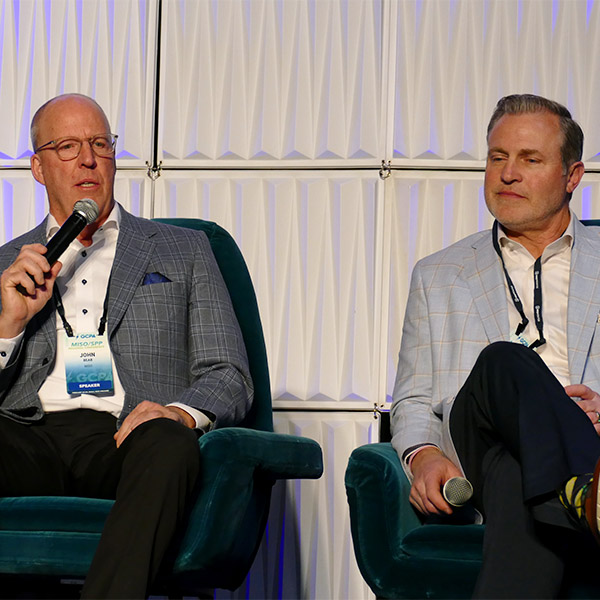
MISO’s and SPP’s CEOs are confident their interconnection queues will be up to the task of meeting new data center load once their respective special expedited lanes wind down.
© RTO Insider
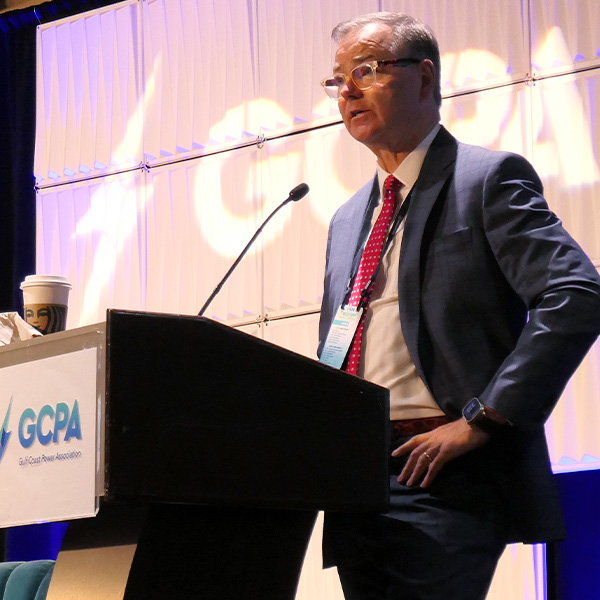
Louisiana utility players described their pull-out-all-the-stops, gas-propelled campaign to attract data centers as another hyperscaler announced plans for a new artificial intelligence-training facility in the state.
MISO
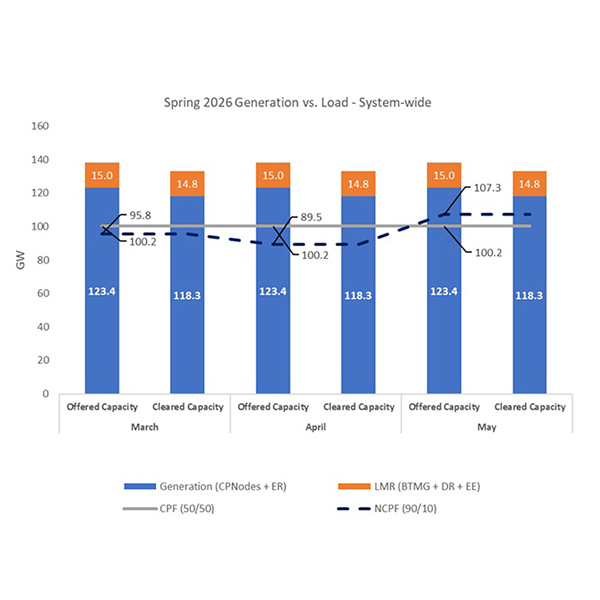
MISO is confident in its ability to meet spring demand, as the grid operator said it will be able to deliver on both its coincident and non-coincident peak forecasts through May.
PacifiCorp
FERC accepted five new reliability standards setting requirements for model validation and data sharing for inverter-based resources.
Want more? Advanced Search
