New England Clean Energy Connect (NECEC)
© RTO Insider LLC
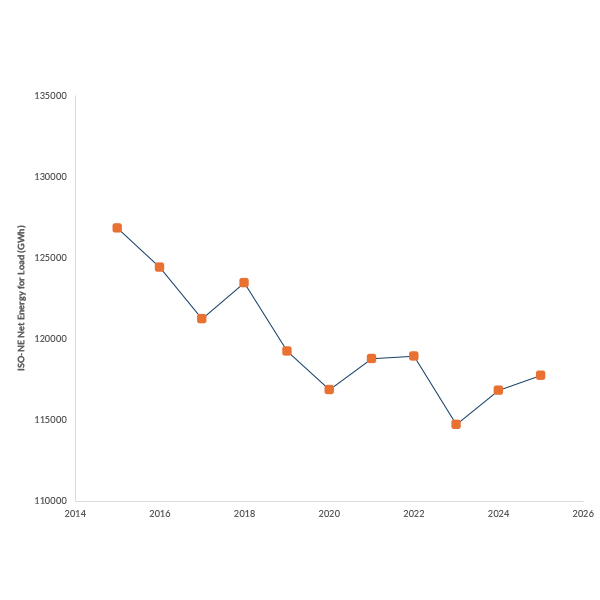
After years of declining or stagnant power demand in New England, annual energy demand ticked up for the second straight year in 2025, potentially indicating the start of a broader upward trend.
Hydro-Québec
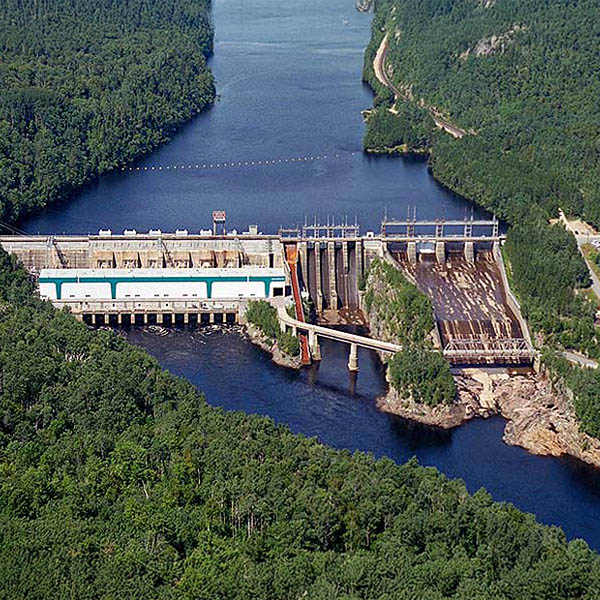
As extreme winter weather descended on the Eastern U.S. and Canada, Hydro-Québec suspended power exports to New England on the New England Clean Energy Connect transmission line because of reliability concerns in Québec.
ISO-NE
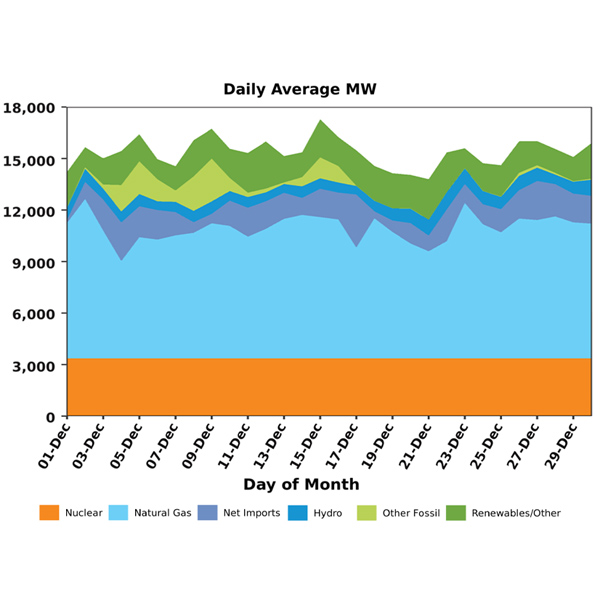
Consistently cold weather drove record-high December energy market costs for ISO-NE and caused the region to rely heavily on stored oil and LNG injections.
Roger Merchant
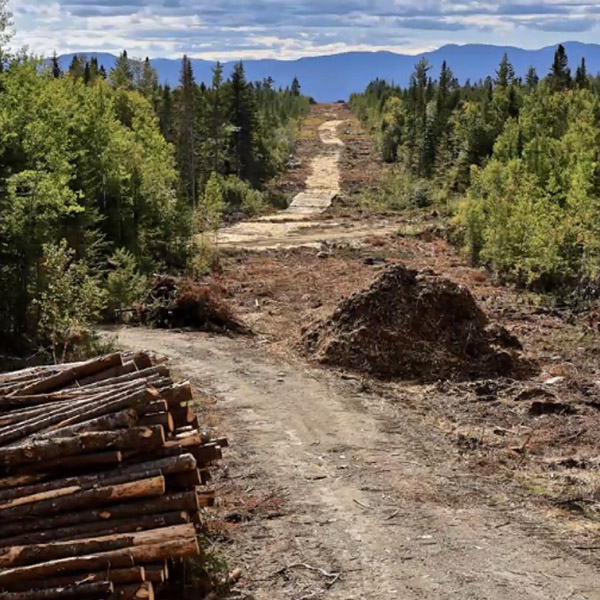
After a multiyear delay caused by intense political opposition, the New England Clean Energy Connect project is finally ready to begin commercial operations, Avangrid wrote in a filing.
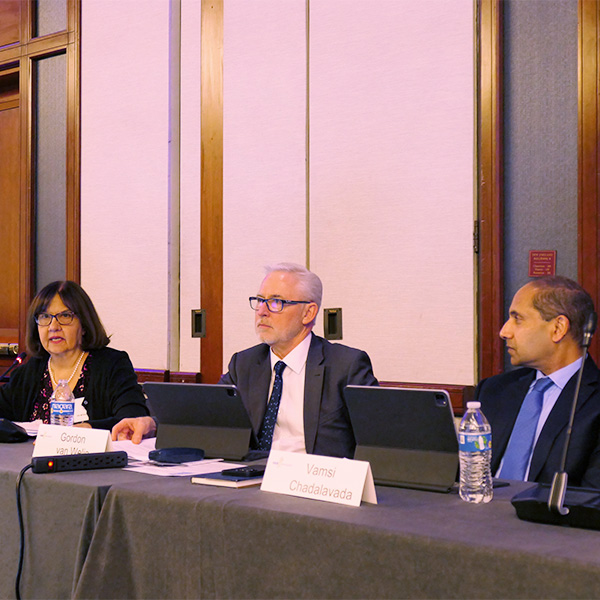
© RTO Insider
Heading into 2026, New England is counting on an increasingly collaborative approach to energy policy as federal opposition to renewable energy development threatens affordability, reliability, and decarbonization objectives in the region.

Granite Shore Power
In New England, increasing winter reliability concerns are driving questions about how long the region’s aging fleet of oil-fired power plants can, or should, remain on the system.
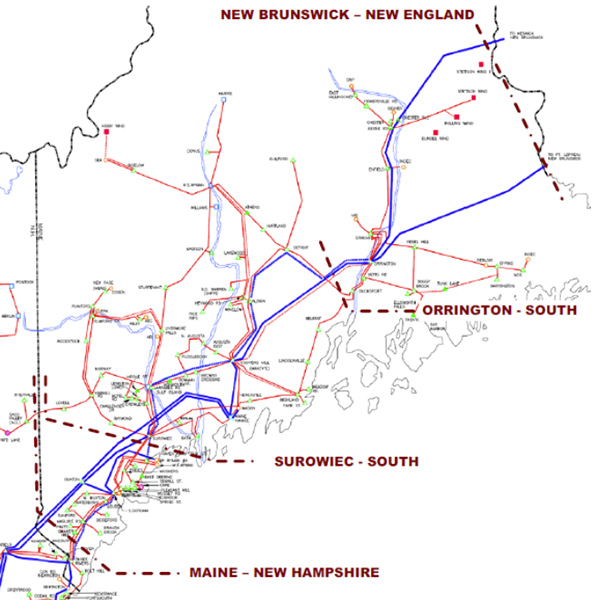
ISO-NE
ISO-NE received six proposals from four different companies in response to its request for proposals to address transmission constraints and interconnect onshore wind in Maine.
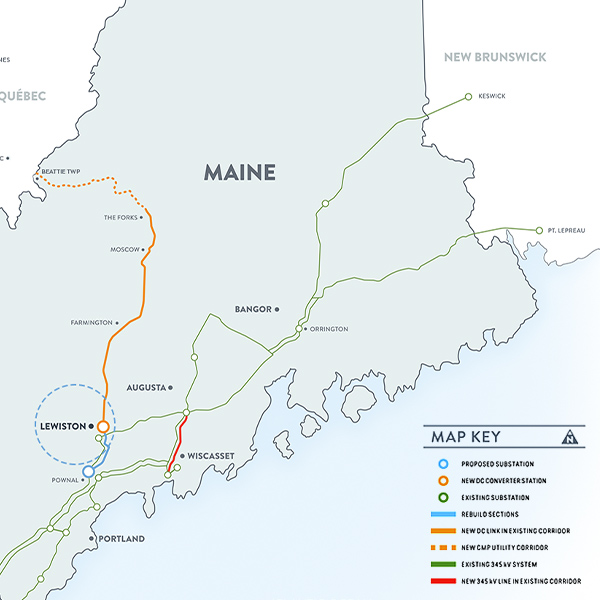
Avangrid
A U.S. district court judge in Massachusetts granted NextEra Energy’s motion to dismiss claims the company violated federal and state antitrust laws in its efforts to block the New England Clean Energy Connect transmission project.
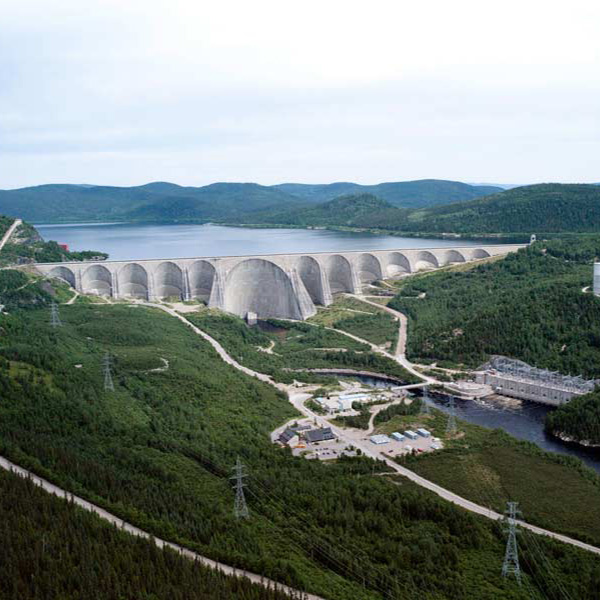
Hydro-Québec
The impending addition of new export commitments could pose a challenge for Hydro-Québec over the next few years if drought conditions persist.
Hydro-Québec
As the Trump administration forged last-minute agreements with Canada and Mexico to postpone steep new tariffs, the energy industry fretted about potential fallout for cross-border supply chains and wholesale electricity markets.
Want more? Advanced Search