New England Power Pool (NEPOOL)
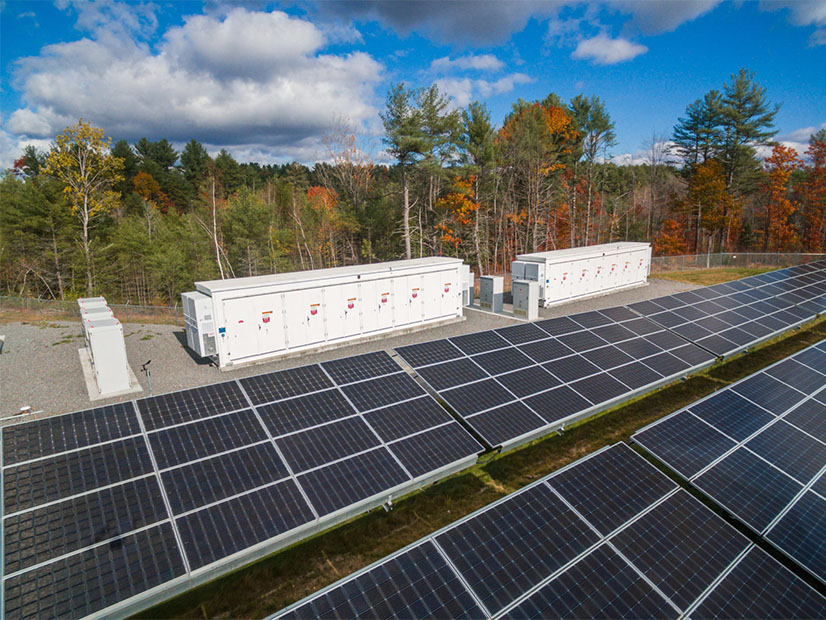
Nexamp
ISO-NE is leaning toward a marginal approach to resource capacity accreditation, but there's a year of stakeholder discussions ahead.

ISO-NE
ISO-NE is proposing a merger of two of its stakeholder working groups into the Emerging Technologies Working Group.
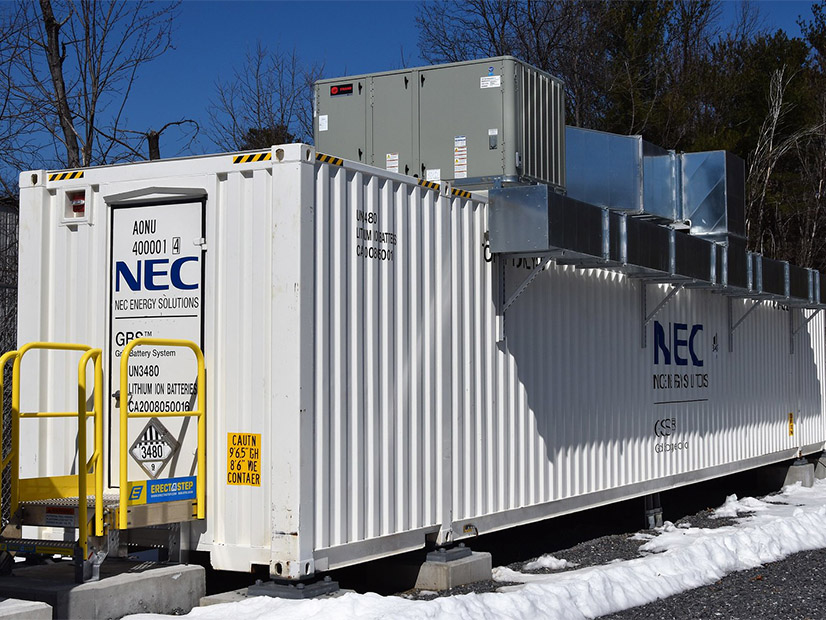
Clean Energy Group
The NEPOOL MC discussed changes to the frequency of FCM parameter recalculations, the continuous storage facility model and cybersecurity reporting.
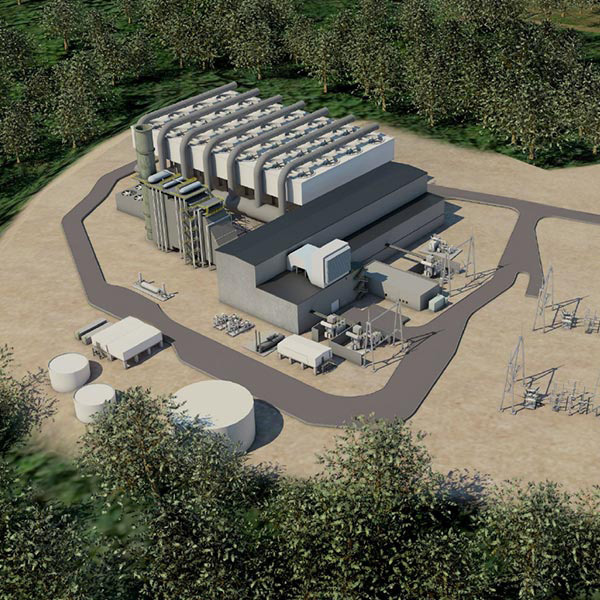
NTE Energy
Competitive Power Ventures’ proposal to revamp ISO-NE's financial assurance rules failed to win approval from NEPOOL’s Participants Committee.
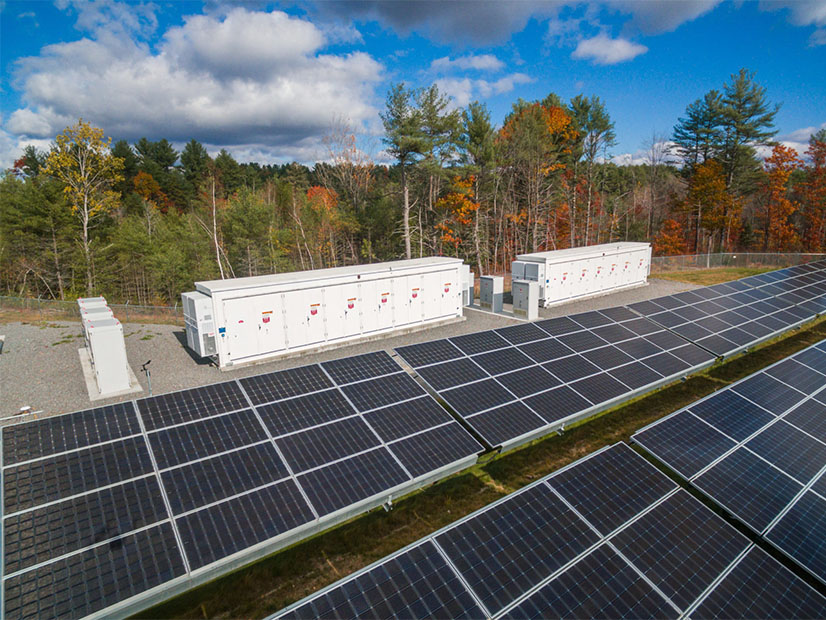
Nexamp
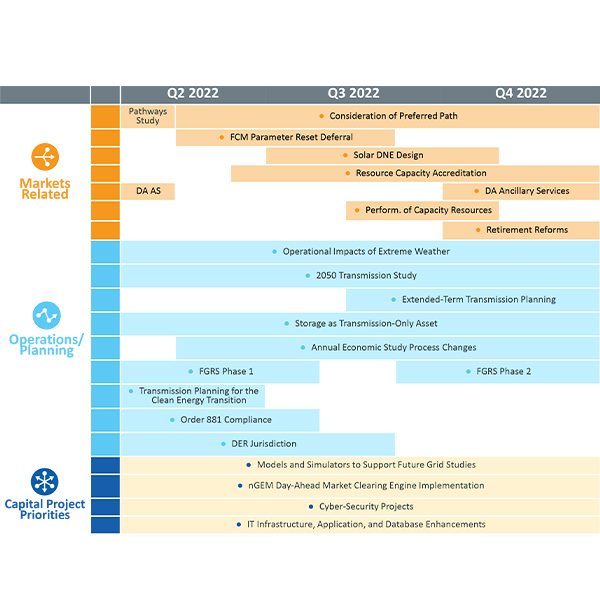
ISO-NE is developing a process for allowing energy storage projects to be used as transmission assets.
ISO-NE
ISO-NE laid out the scope and timing of a project to incorporate ancillary services in the day-ahead energy market for the NEPOOL Markets Committee.
© RTO Insider LLC
ISO-NE got through the winter without serious incident, but now it's time to start planning for next winter.
ISO-NE
ISO-NE updated NEPOOL on its proposal to change the interconnection jurisdiction for DERs and compliance with FERC Order 881.
NTE Energy
ISO-NE is drawing up a new schedule for next year's capacity auction, FCA 17, which has been delayed.
Analysis Group
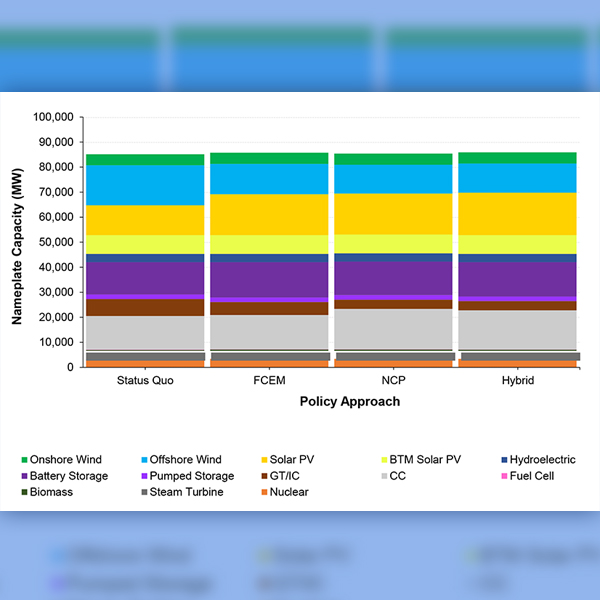
A draft study evaluating ways to decarbonize New England’s power sector finds multiple advantages for carbon pricing, but also significant tradeoffs.
Want more? Advanced Search