
pay-for-performance

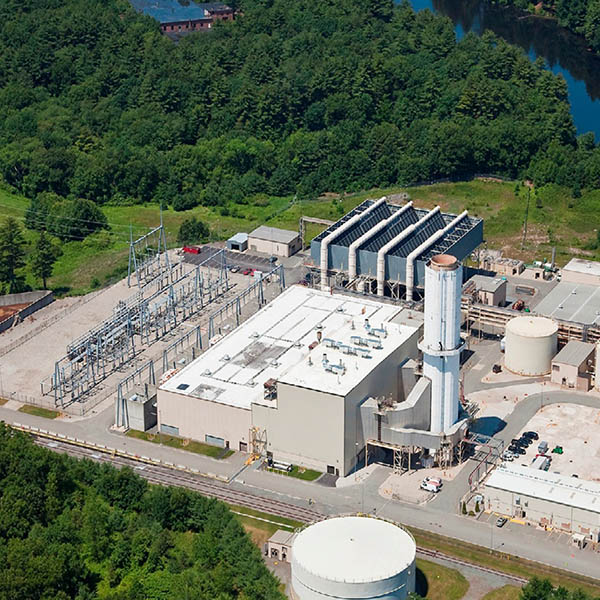
Granite Shore Power
ISO-NE proposed to reduce its performance payment rate by more than 60% in response to concerns that excessive penalties will have unintended consequences for the capacity market.
ISO-NE
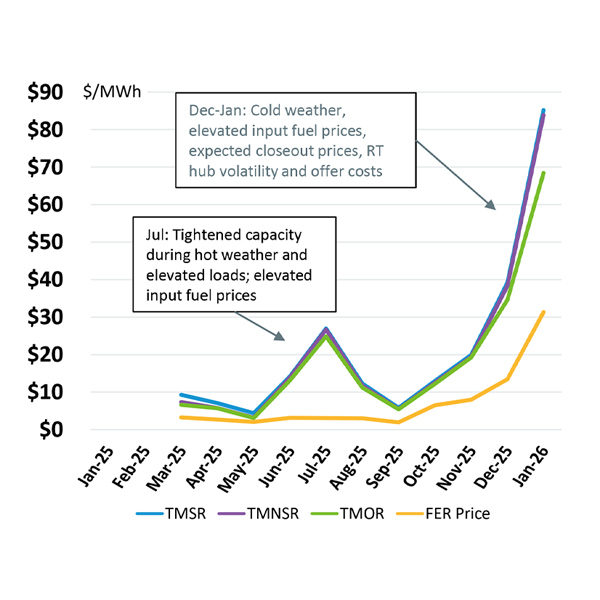
With costs associated with ISO-NE’s new day-ahead ancillary services market far exceeding expectations, the RTO is working to fast-track changes to improve the efficiency of the market in time for next winter.
NextEra Energy
FERC partially granted a complaint by the New England Power Generators Association about the design of ISO-NE's Pay-for-Performance mechanism.
ISO-NE
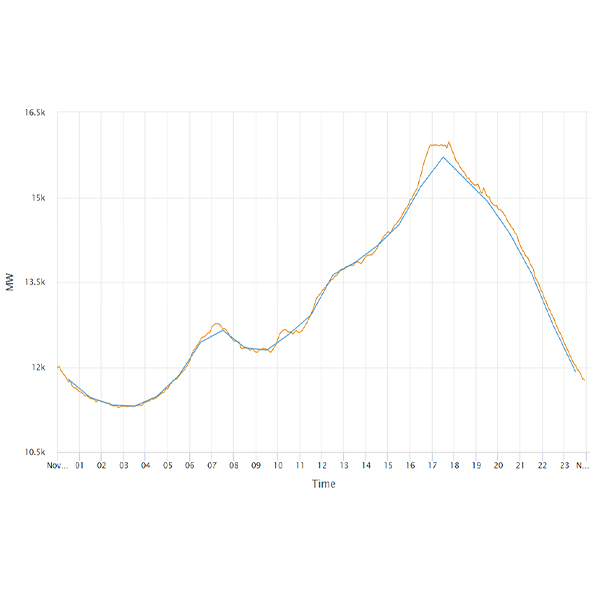
ISO-NE declared a capacity deficiency after an unexpected loss of generation left the region short of its operating reserve requirements.
ISO-NE
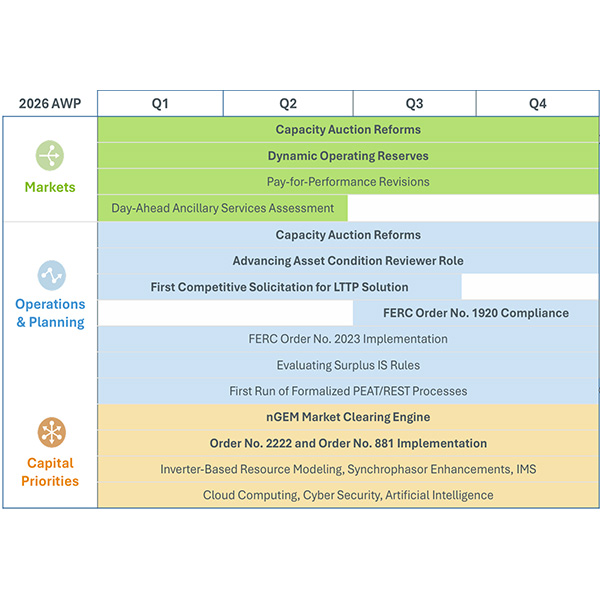
Capacity auction reforms, a new asset condition reviewer role, parallel transmission planning efforts, new reserve products, Pay-for-Performance changes and interconnection modifications are likely to be on the docket for ISO-NE in 2026.
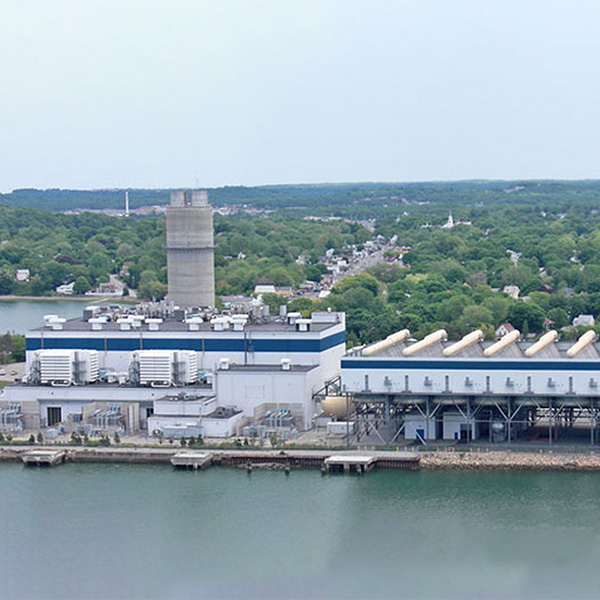
Calpine
ISO-NE kicked off NEPOOL discussions for the second phase of its capacity auction reform project, beginning long-awaited talks on accreditation and seasonal capacity auction changes.
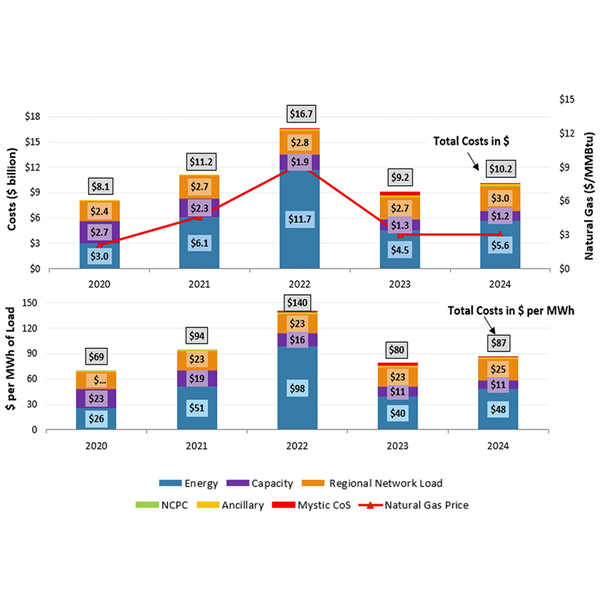
ISO-NE
The New England wholesale electricity markets performed competitively in 2024, while decreased imports and higher emissions compliance rates increased overall market costs, the ISO-NE Internal Market Monitor told the NEPOOL Participants Committee.
NextEra Energy
ISO-NE said it is open to capping the balancing ratio used to calculate Pay-for-Performance payments to prevent capacity resources from being required to provide more power than their capacity supply obligations.
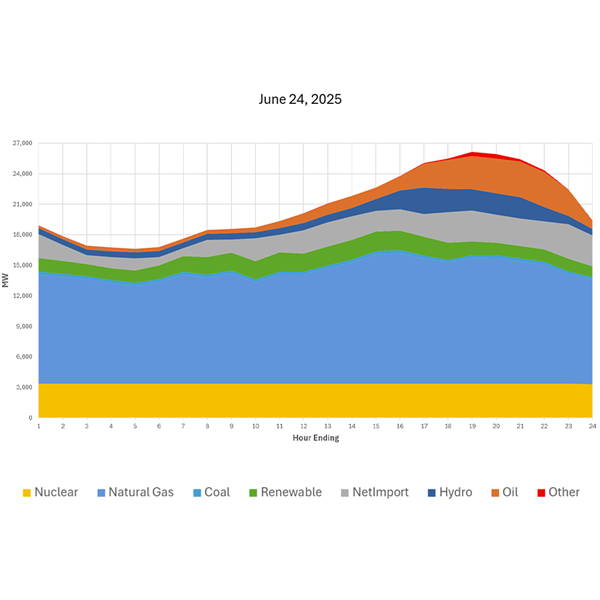
ISO-NE
Pay-for-Performance credits accumulated during capacity scarcity conditions June 24 totaled about $114 million, ISO-NE's COO told the NEPOOL Participants Committee.
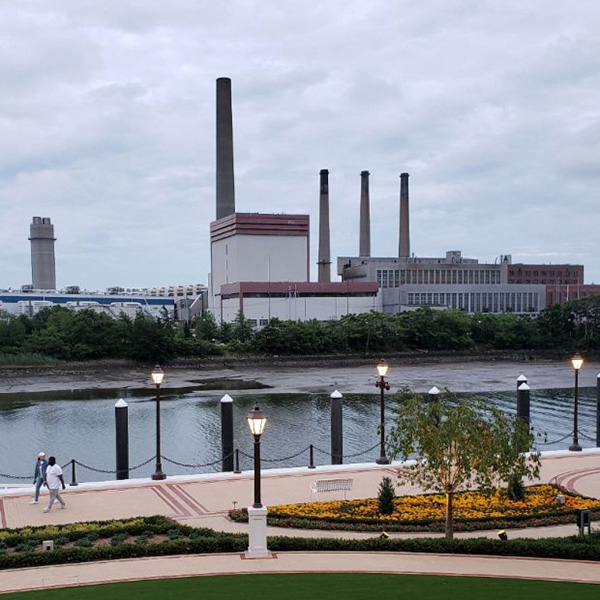
Constellation
The New England Power Generators Association is seeking immediate action from FERC to address what it calls “serious flaws” in the design of ISO-NE’s pay-for-performance mechanism.
Want more? Advanced Search
