
Planning Resource Auction (PRA)
Burns and McDonnell
MISO is registering and accrediting resources to meet a roughly 2-GW uptick in load for the 2026/27 planning year.
Rainbow Energy Center
A trade group representing multiple MISO power producers has lodged a complaint against retroactive pricing revisions in MISO’s 2025/26 capacity auction, joining Pelican Power in calling the repricing unlawful.
Shutterstock
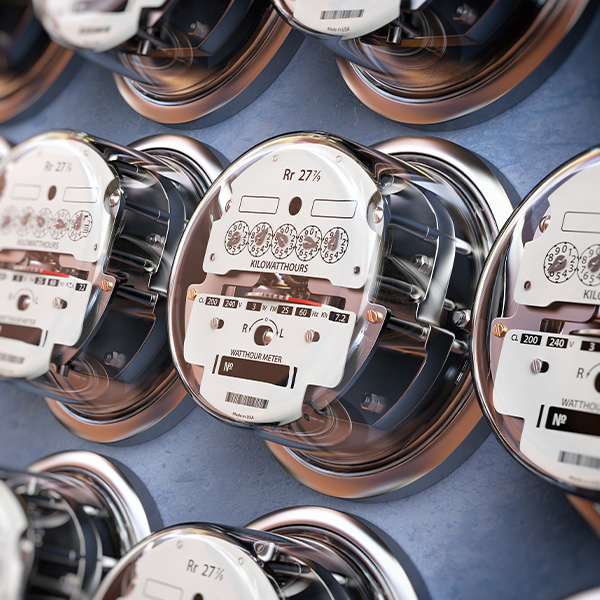
MISO ended its 10-year run allowing energy efficiency in its capacity market, as FERC allowed the change to take effect.

Stantec
Louisiana-based power generator Pelican Power is the first to register a complaint over MISO’s yearslong miscalculation in its capacity auctions in an effort to stop the RTO’s retroactive pricing corrections.

© RTO Insider
MISO’s Independent Market Monitor said the recently uncovered, eight-year-old repeat error in the RTO’s capacity market that caused a $280 million impact in this year’s auction alone is unfortunate but insisted the resulting prices were efficient.
© RTO Insider LLC
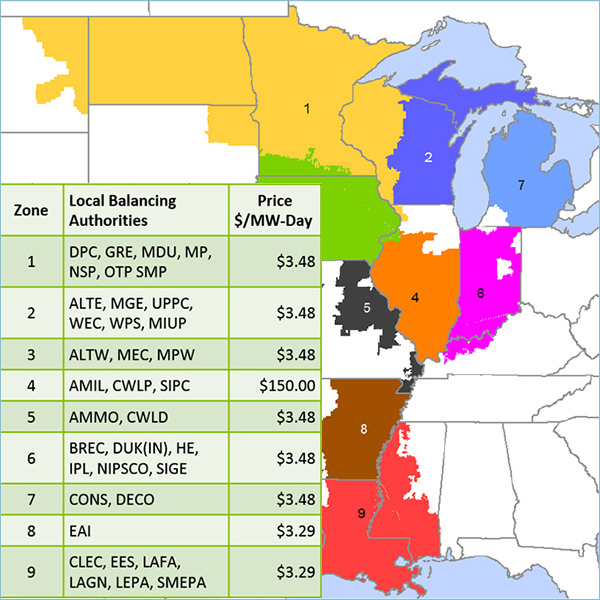
MISO said a yearslong software error caused it to clear more capacity than intended in past capacity auctions and which has resulted in an approximate $280 million impact to market participants in this year’s auction.

Bechtel
MISO members largely agreed that MISO’s new capacity auction structure — featuring individual seasonal auctions and a sloped demand curve — is better for the health of the system.
MISO
Vistra has agreed to pay $38 million to wind down a long-running FERC inquiry into whether it manipulated prices in MISO’s 2015/16 capacity auction.

MISO
MISO said it no longer will recognize energy efficiency as a capacity resource beginning with the 2026/27 auction.

© RTO Insider
MISO said starting with the 2026/27 planning year, it will require its demand response resources to demonstrate actual demand reductions through tests to weed out imposters in the capacity market.
Want more? Advanced Search
