Portland General Electric (PGE)

CAISO
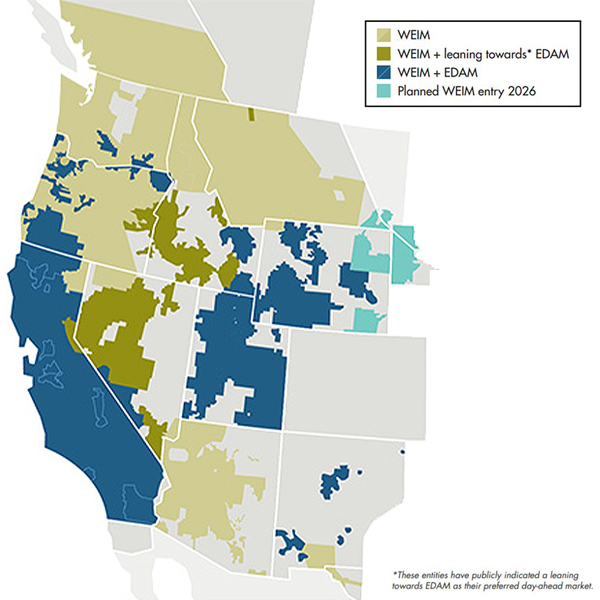
PacifiCorp and Portland General Electric remain on track to join CAISO’s Extended Day-Ahead Market on their planned entry dates, although the schedule remains “very tight and very aggressive."

CAISO
The West-Wide Governance Pathways Initiative’s Launch Committee Co-Chair Pam Sporborg said the stakeholder process of the new regional organization that will oversee CAISO’s energy markets is an evolution of the ISO’s Regional Issues Forum.
CAISO
NV Energy said it is discussing a potential new resource adequacy program with other participants in CAISO’s Extended Day-Ahead Market.
Electrify America
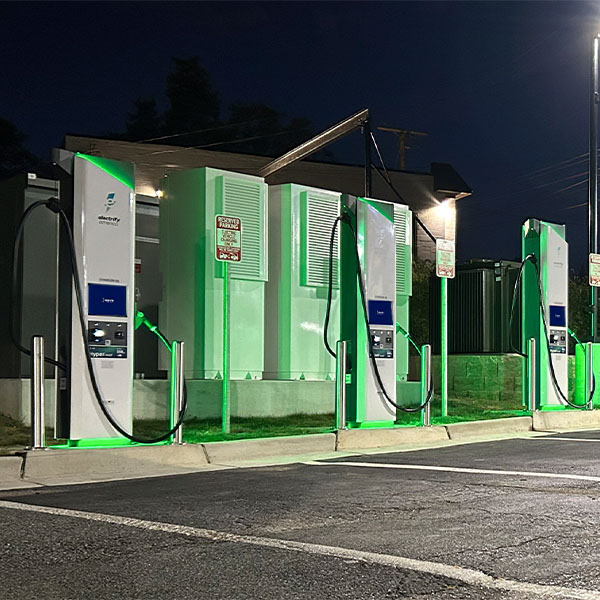
The Electric Power Research Institute has launched a tool called GridFast that will give utilities a jump start on planning for new EV charging loads.

Office of Assemblymember Cottie Petrie-Norris
California lawmakers have passed a landmark bill that will allow CAISO to transition the governance of its markets to the independent “regional organization” envisioned by the West-Wide Governance Pathways Initiative.
U.S. Fish and Wildlife Service
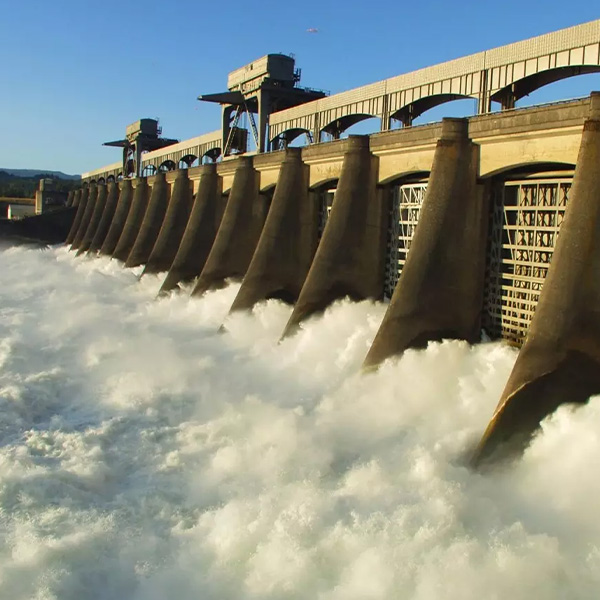
Utilities at a customer-led workshop voiced support for Bonneville Power Administration’s shift toward proactive transmission planning, though some expressed reservations about the agency’s proposed commercial readiness criteria.

Shutterstock
Coordination between the gas and electric industries is becoming increasingly crucial to meet demand and to tackle extreme weather events, panelists participating in a WECC webinar argued.
PG&E
Four Western utility executives participating in an Energy Bar Association webinar presented their reasoning for why they ultimately chose either SPP’s Markets+ or CAISO’s EDAM, with some eyeing the creation of a full regional transmission organization in the future.

Shutterstock
CAISO’s EDAM clinched a set of wins when FERC approved the market’s revised congestion revenue allocation model and authorized participation for the EDAM’s first two members — PacifiCorp and Portland General Electric.

CAISO
CAISO’s Western Energy Imbalance Market provided participants with $422.44 million in economic benefits during the second quarter of 2025, up 15% compared with the same period year earlier despite no change in membership.
Want more? Advanced Search