Regional Energy Shortfall Threshold (REST)
Granite Shore Power
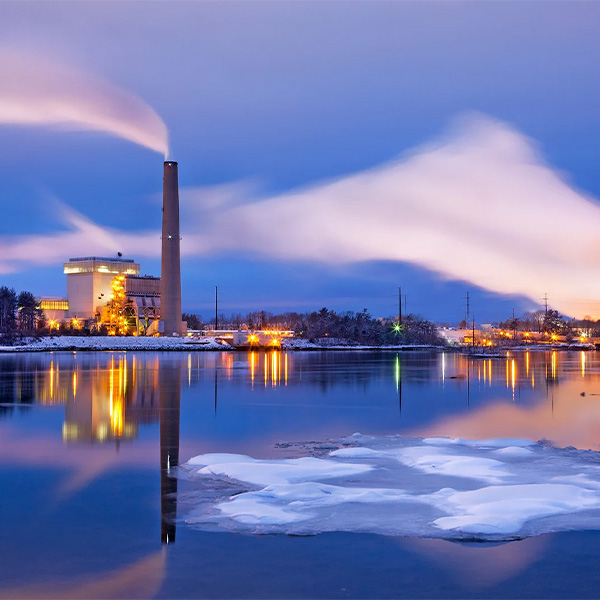
In New England, increasing winter reliability concerns are driving questions about how long the region’s aging fleet of oil-fired power plants can, or should, remain on the system.
NOAA
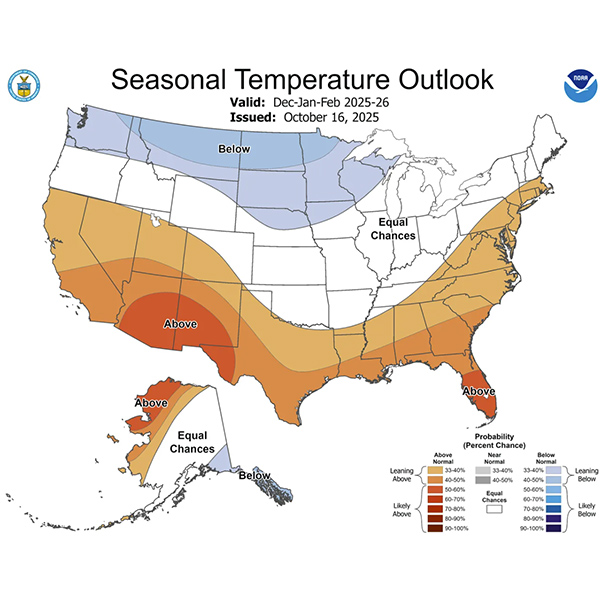
ISO-NE’s probabilistic modeling indicates there is minimal risk of shortfall in the upcoming winter, COO Vamsi Chadalavada told the NEPOOL Participants Committee.
ISO-NE
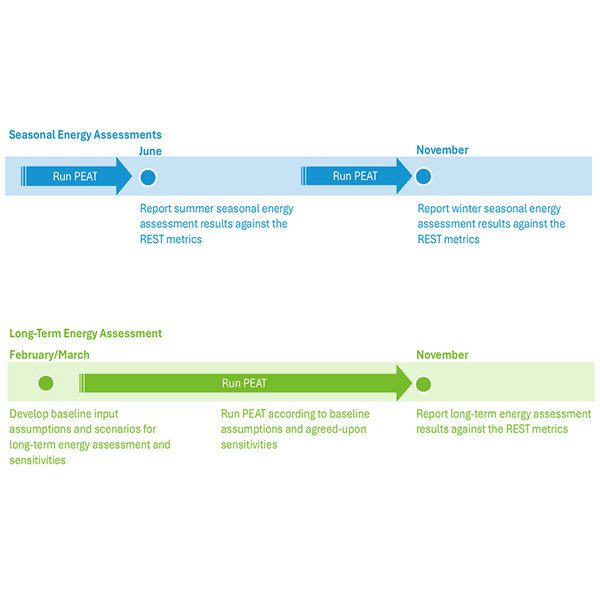
After receiving positive feedback from stakeholders, ISO-NE plans to proceed with its proposal for a quantitative threshold to determine an acceptable level of energy shortfall risk for the region.
ISO-NE
ISO-NE’s regional network service rate is set to decrease by about 1% in 2026, dropping from $185.28/kW-year in 2025 to $183.71/kW-year in 2026.
ISO-NE
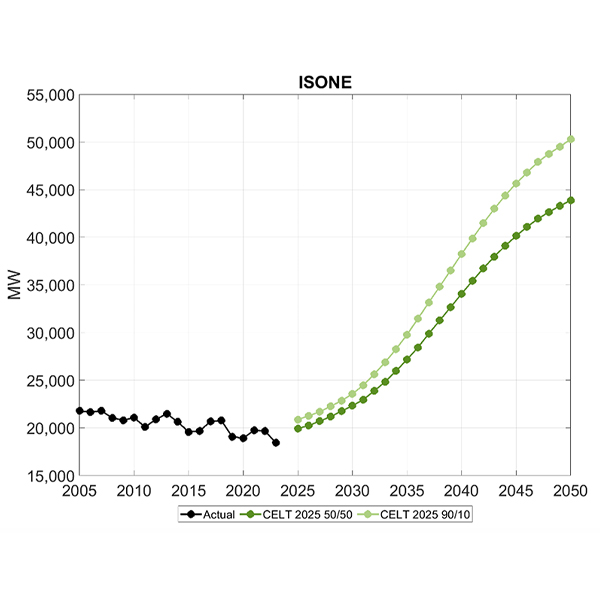
ISO-NE plans to cut its winter peak load projection for 2033 by 7.2% and its summer peak projection by 1.8%, ISO-NE told the NEPOOL Reliability Committee.
ISO-NE
ISO-NE’s regional energy shortfall threshold will rely on a pair of metrics intended to capture the intensity and duration of energy shortfall risks in extreme weather scenarios, the RTO told the NEPOOL Reliability Committee.

Shutterstock
ISO-NE is working to add the capability to model preemptive actions to its probabilistic energy adequacy tool, the RTO told the NEPOOL stakeholders.
ISO-NE
The RTO will next year focus on capacity auction reforms, establishing a regional energy shortfall threshold, complying with FERC orders 1920 and 2023, and implementing market and technology improvements.
ISO-NE
New England transmission owners have presented a $185 per kW-year regional network service rate for 2025, an increase over the $154 per kW-year rate in 2024.
© RTO Insider LLC
ISO-NE outlined its current thinking on a potential Regional Energy Shortfall Threshold at the NEPOOL Reliability Committee.
Want more? Advanced Search