
Sunrise Wind
Ørsted
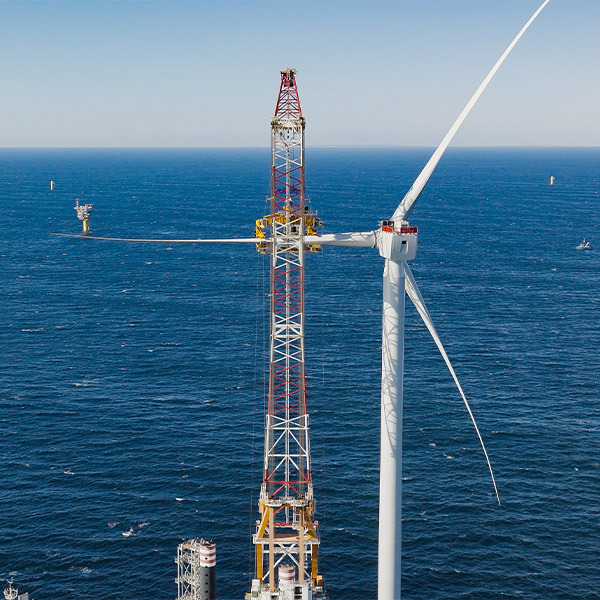
After 19 months, New York has abandoned its most recent attempt to procure offshore wind power, saying it would not be prudent to proceed amid federal policy uncertainty.
© RTO Insider
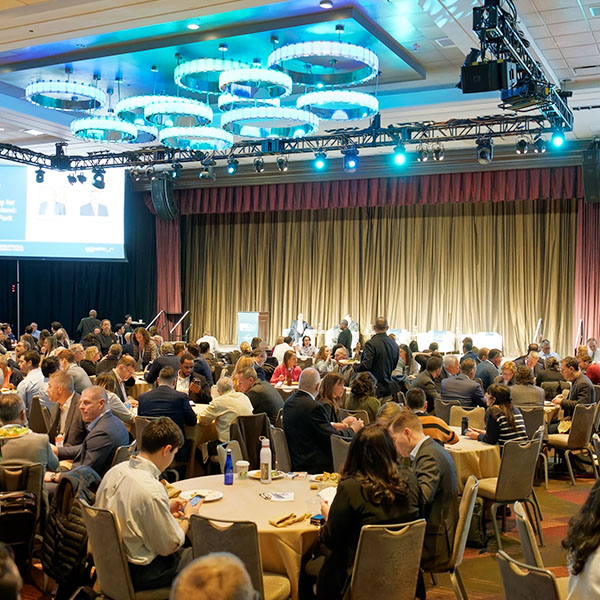
After a remarkably bad year for the U.S. offshore wind industry, the Oceantic Network’s annual conference was focused on engineering a rebound rather than licking wounds.

Revolution Wind
If Ørsted can continue to beat back the Trump administration’s interference, it could start generating electricity with its Revolution Wind project in a matter of weeks.

NYSERDA
Four judges have granted all five projects under construction in U.S. waters permission to resume construction.
Ørsted
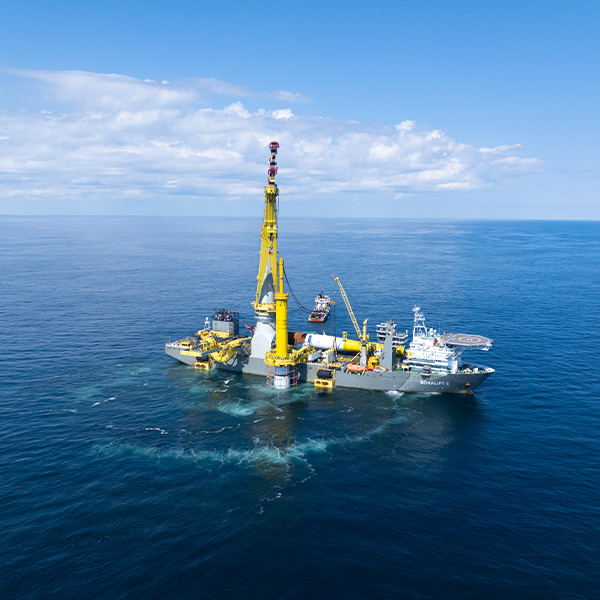
Three of the four developers building wind farms in U.S. waters are challenging the Trump administration’s Dec. 22 order suspending all such construction.
Ørsted
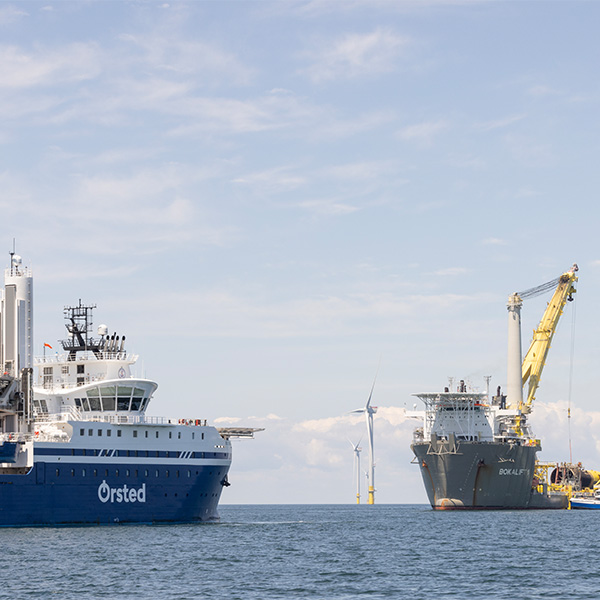
An announcement by the U.S. Department of Interior said the Department of Defense had identified wind farms as national security risks and is pausing offshore wind leases.
Ørsted
Ørsted reported a net loss for the third quarter, attributed to the continuing financial challenges for its U.S. offshore wind portfolio, but it also said those projects are progressing well toward completion.
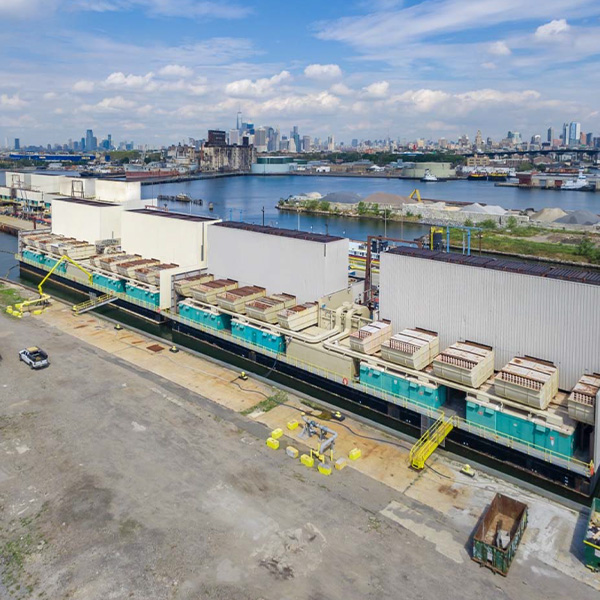
Astoria Generating Co.
New York City could be short as much as 650 MW in capacity in the summer of 2026, according to NYISO’s Short Term Assessment of Reliability for the third quarter.
Ørsted
Ørsted will reduce its workforce roughly 25% through the end of 2027 as it wraps up construction of offshore wind farms and remakes itself as a more competitive company.
NYSERDA
Ørsted is moving to raise as much as $9.33 billion on its own to finish building the Sunrise Wind project off the New York coast.
Want more? Advanced Search
