
U.S. Department of Energy (DOE)
Shutterstock
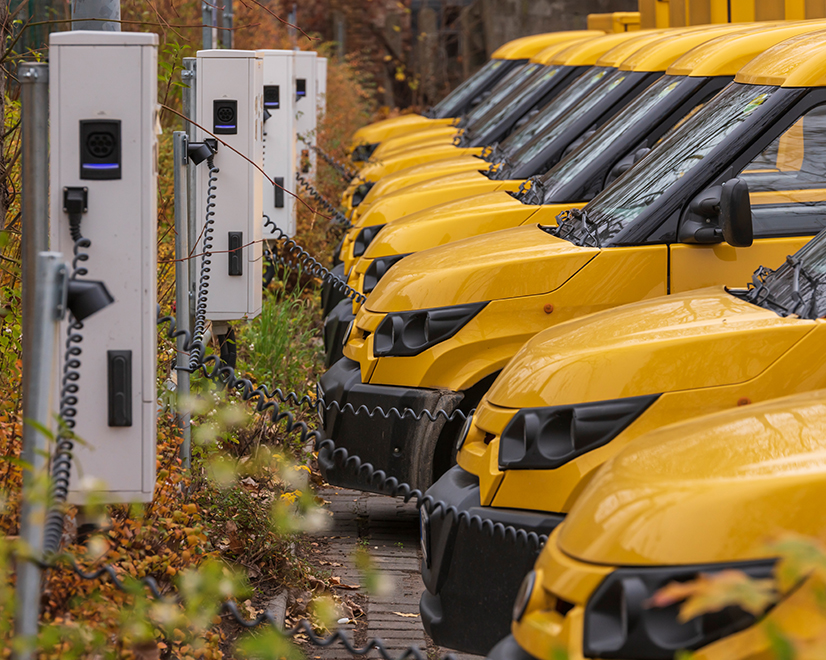
The Trump administration is suing California over its mandates for electric vehicles and offering $1.9 billion for advanced transmission.
BPA
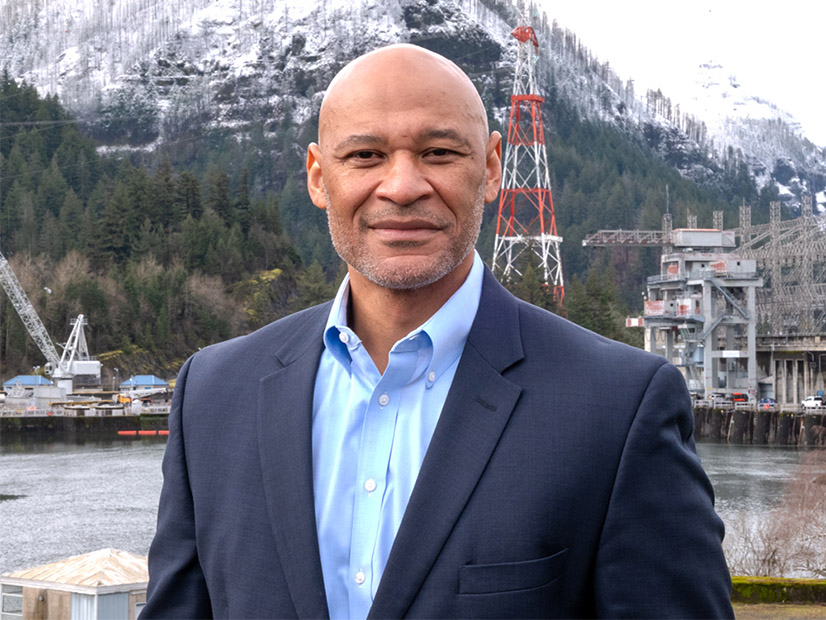
The Bonneville Power Administration opened the selection process for the agency’s next administrator via an online job posting, prompting questions about the salary range and the level of input Northwestern lawmakers will have.
Earthjustice
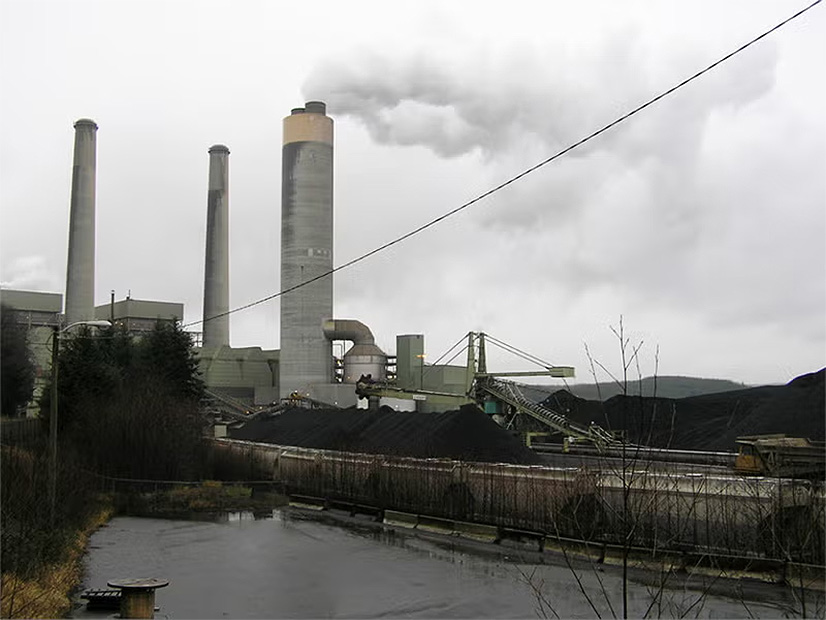
Washington’s attorney general and a coalition of public interest organizations filed separate lawsuits to overturn the Department of Energy’s order requiring TransAlta to continue operating the state’s last coal-fired plant beyond its scheduled retirement.
DOE
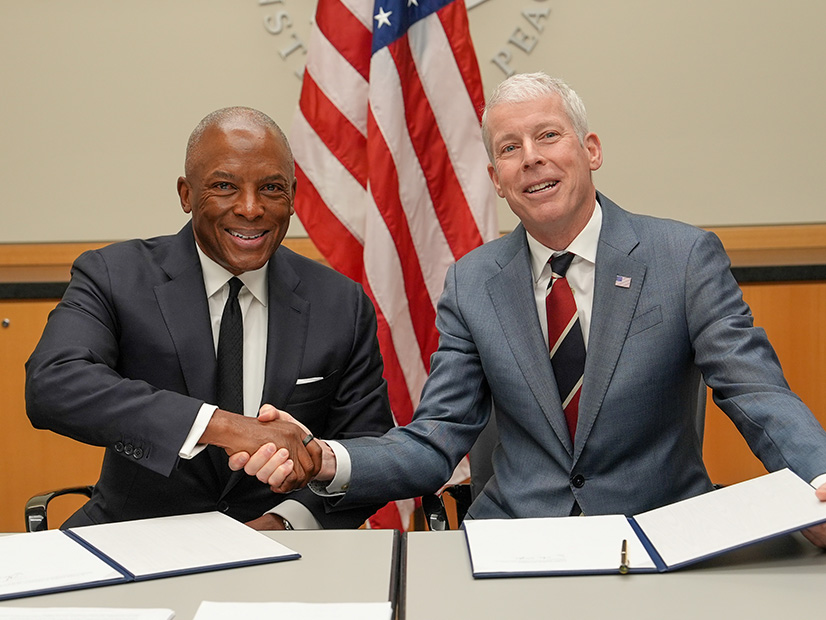
Southern Co. will receive $26.5 billion in loans to support generation and transmission upgrades.
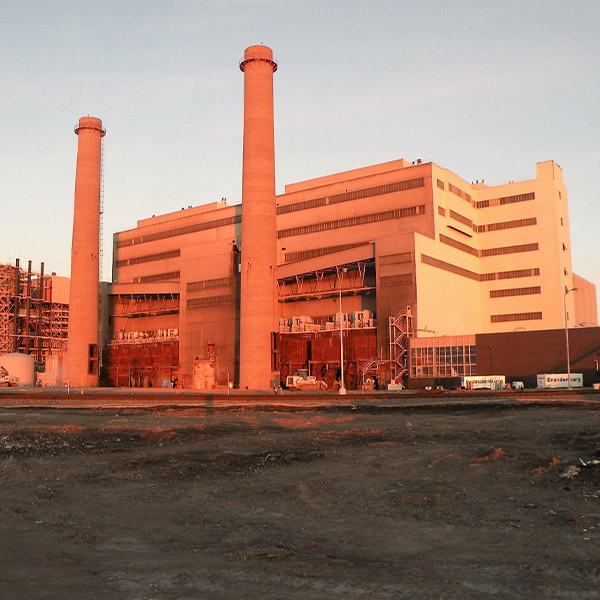
Constellation Energy
The Department of Energy ordered PJM and Constellation Energy to keep the 760-MW Eddystone Generating Station online through May 24.
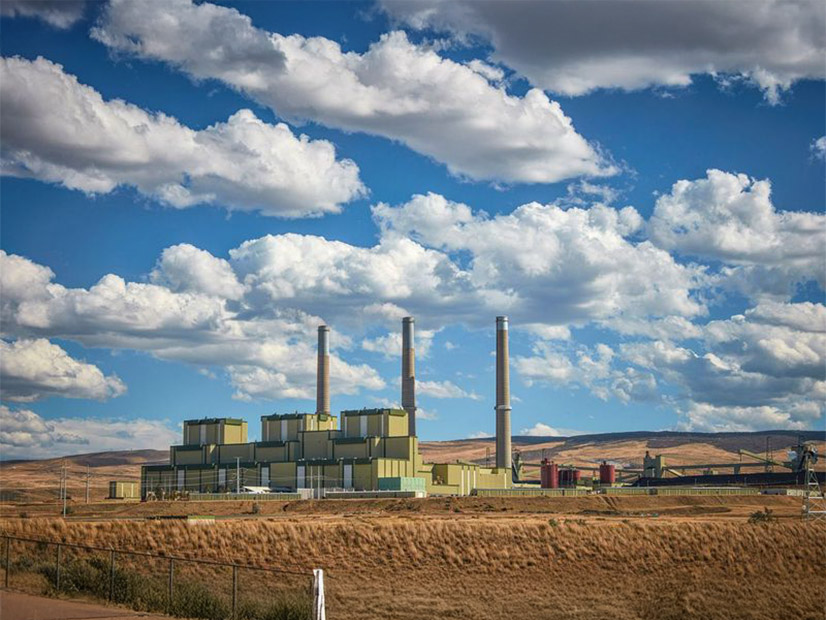
Tri-State Generation and Transmission Association
A bill in the Colorado legislature seeks to reduce the environmental impact of federal orders delaying the retirement of coal-fired power plants.
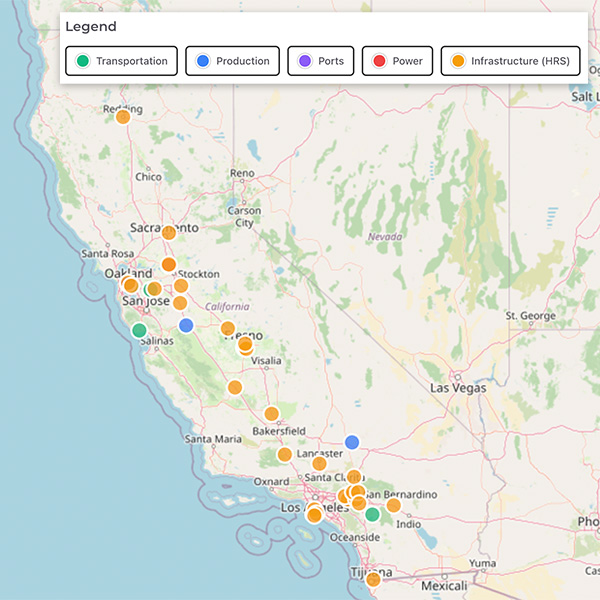
ARCHES
Thirteen blue states are suing the Trump administration for reversing Biden administration funding commitments worth $7.6 billion for energy and infrastructure projects.
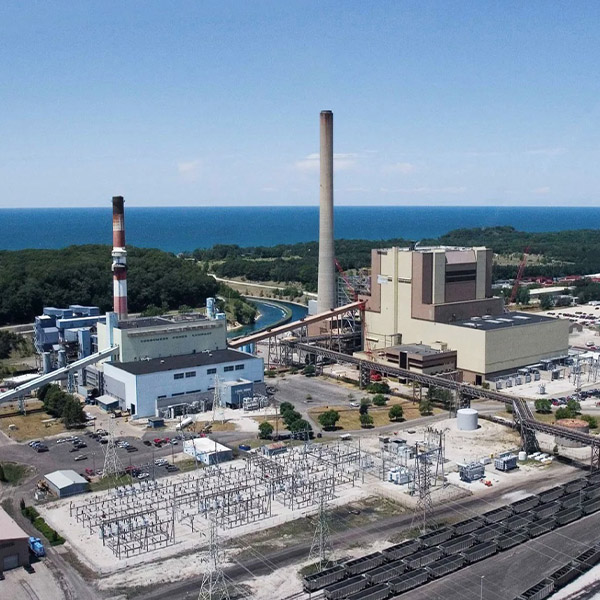
Consumers Energy
The Department of Energy issued a fourth emergency order, keeping the J.H. Campbell coal plant in Michigan online through mid-May and likely beyond.
Windy.com
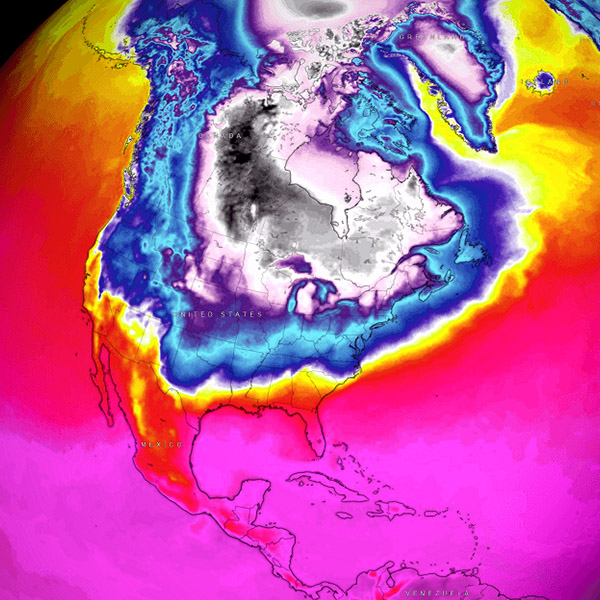
With Winter Storm Fern, we learned, once again, that our nation’s power grids rely on a significant fossil mix when the weather turns nasty, writes columnist Peter Kelly-Detwiler.
TVA
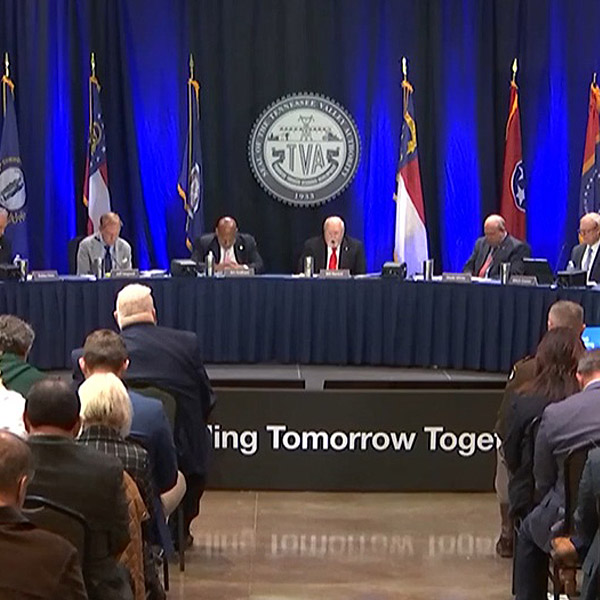
The Tennessee Valley Authority revoked its previous decision to wind down operations at two of its coal plants, citing upward demand and the Trump administration’s coal-friendly posture.
Want more? Advanced Search
