
Union of Concerned Scientists (UCS)
© RTO Insider
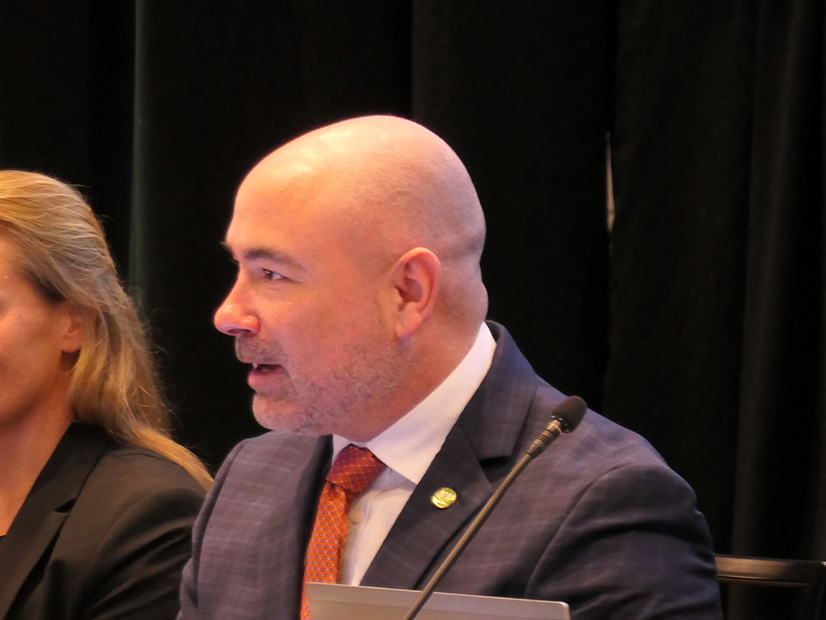
FERC Commissioner David LaCerte encouraged MISO players to bring their boldest ideas forward that could help return the electric industry to a more humdrum reliability baseline.
Union of Concerned Scientists
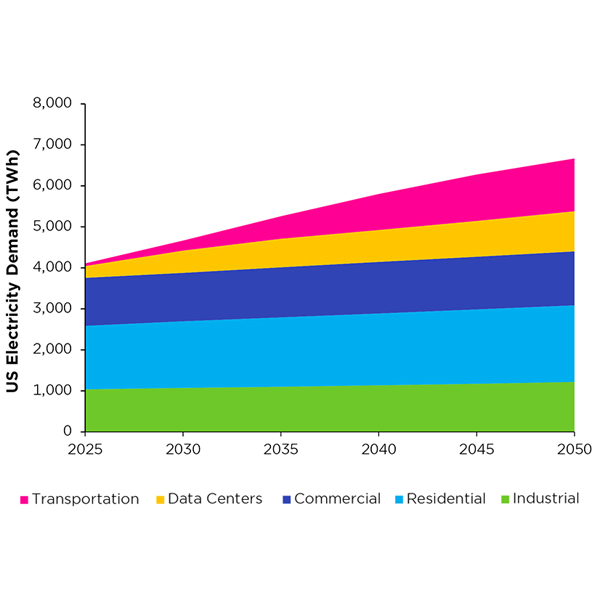
The latest in a series of Union of Concerned Scientists reports on the costs of the AI boom asserts that powering U.S. data centers with clean energy would avert trillions of dollars in health and environmental costs.

Meta
Earthjustice accused Meta of deliberately executing an unsanctioned financial arrangement to underwrite its planned, multibillion-dollar data center in northern Louisiana and asked the Public Service Commission to investigate.
ITC Midwest
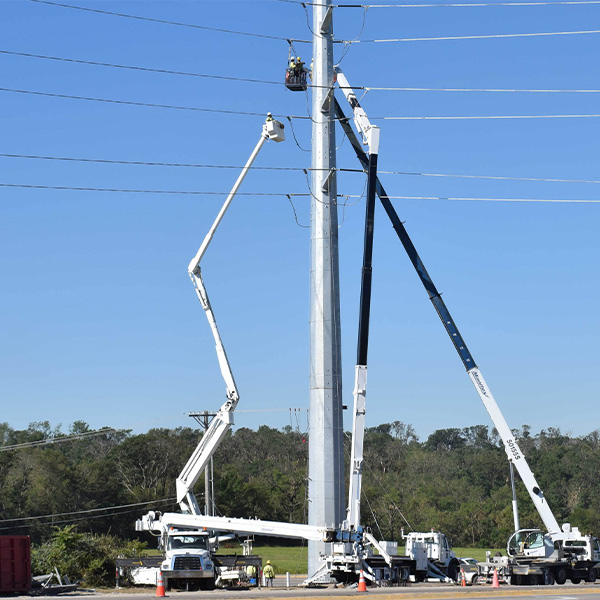
The Union of Concerned Scientists said MISO’s most devastating power outages in the last decade can be attributed to an increasingly unstable climate and compounding weather events.
© RTO Insider
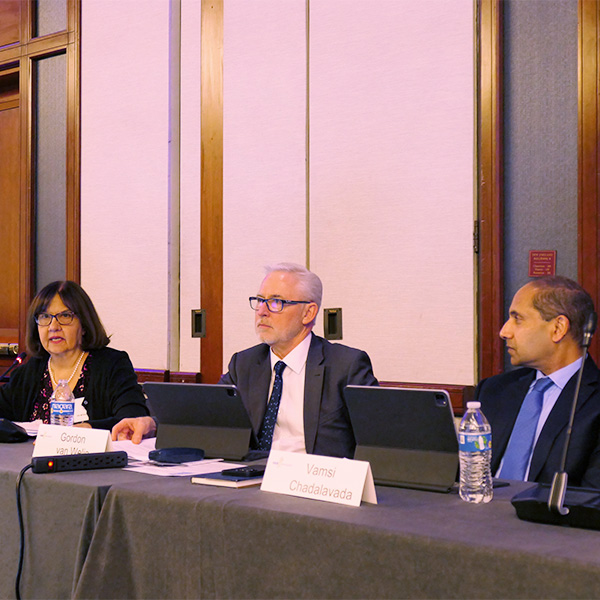
Heading into 2026, New England is counting on an increasingly collaborative approach to energy policy as federal opposition to renewable energy development threatens affordability, reliability, and decarbonization objectives in the region.
Con Ed
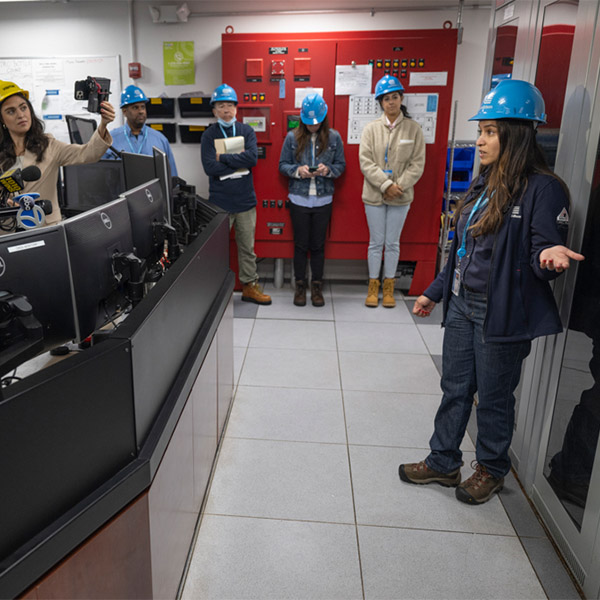
Storm surge events like Sandy offer insights into what the worst of sea level rise may do to an area’s infrastructure and how the power industry needs to think about this slow-moving but inevitable threat, says columnist Dej Knuckey.
Shutterstock
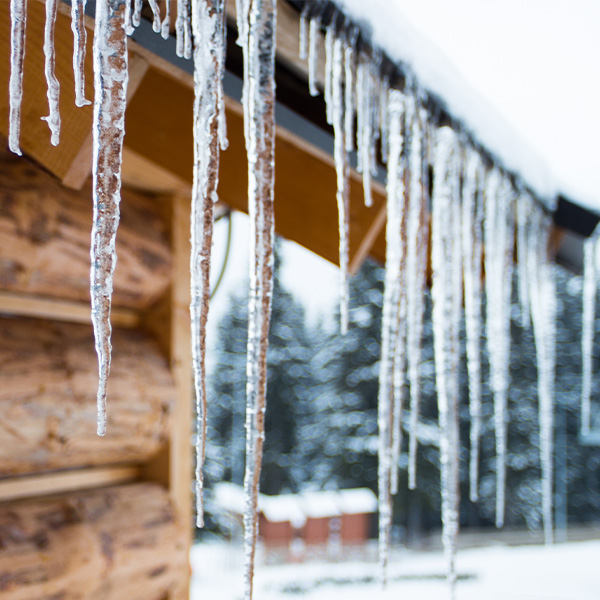
FERC approved the third iteration of NERC's cold weather preparedness standard, while ordering follow-up informational filings through 2034 to check on its adoption.
Daymark Energy Advisors
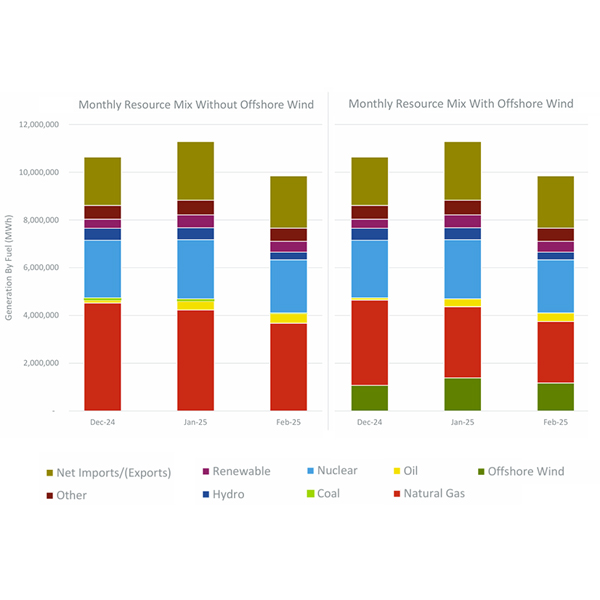
The addition of 3,500 MW of offshore wind capacity would have reduced ISO-NE energy market costs by about $400 million over the past winter, according to a recent study by Daymark Energy Advisors.
DTE
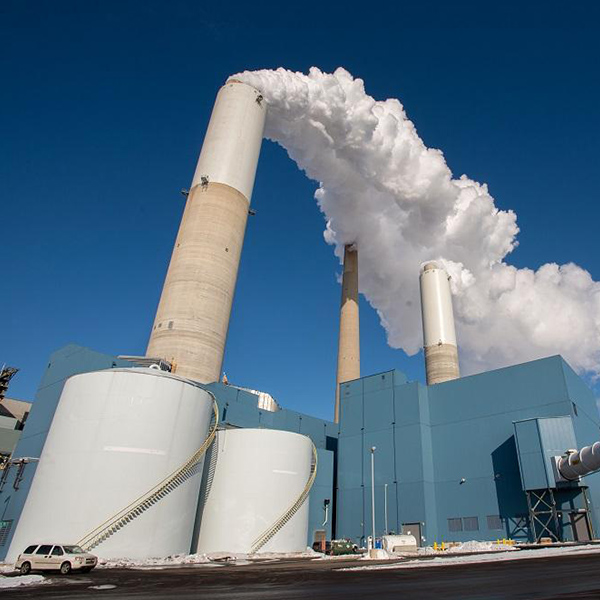
EPA is proposing to rescind its 2009 endangerment finding, which qualifies greenhouse gases as pollutants and has been used by Democratic presidential administrations to regulate emissions from power plants and other sources.
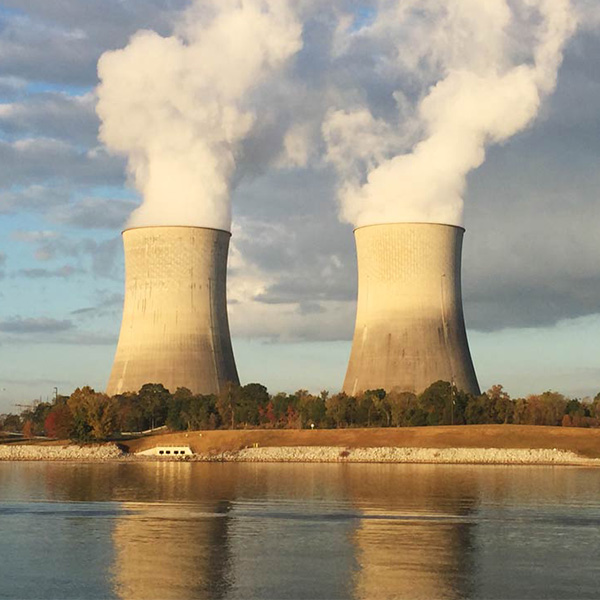
TVA
The pace of undermining the statutory authority of the Nuclear Regulatory Commission to serve as the cornerstone of nuclear safety is accelerating, says Stephen A. Smith.
Want more? Advanced Search
