zero-emission vehicles (ZEVs)
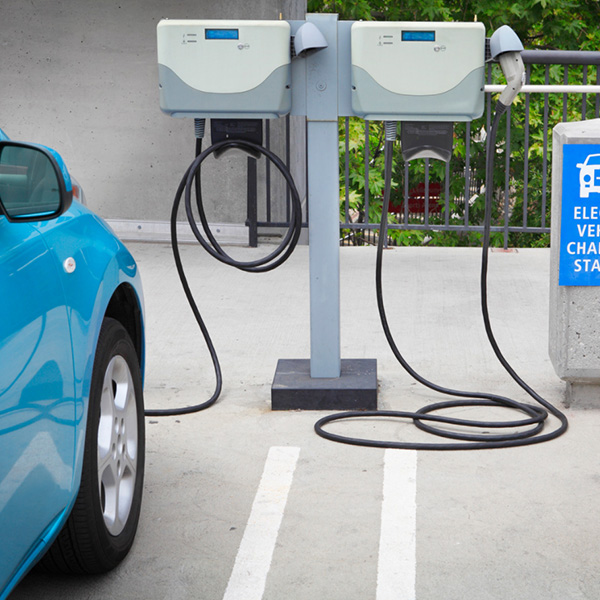
Oregon DEQ
Current trends suggest that Oregon will come up short of its ZEV adoption goals over the next decade, but near-term policy developments could salvage them.
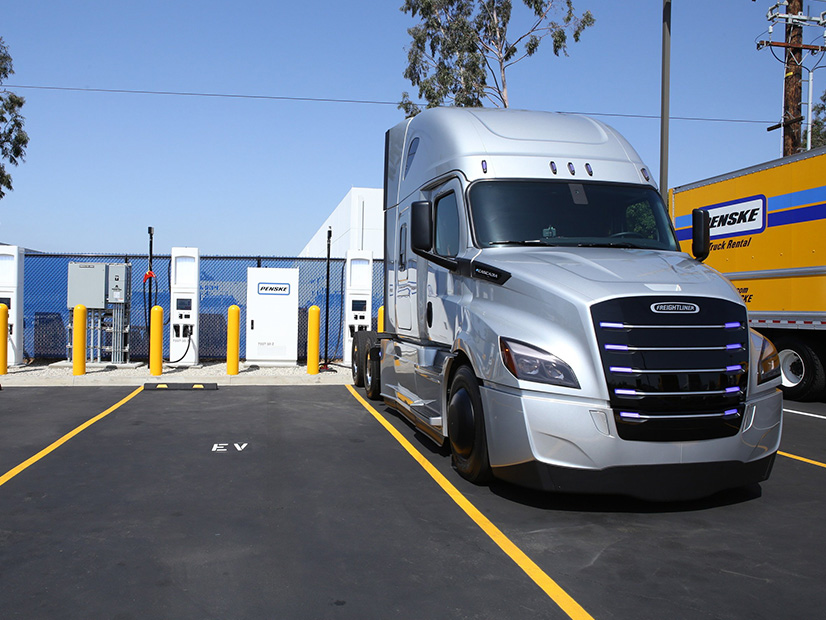
Penske Truck Leasing
California lawmakers allocated $2.7 billion for ZEVs in the 2021-2022 state budget this summer and designated $1.2 million more in the next two years.
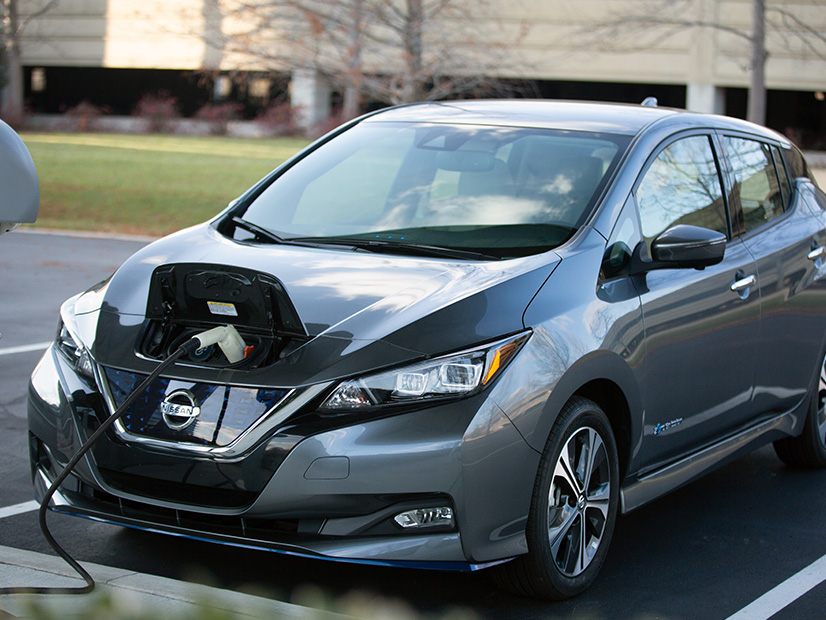
Nissan
Gov. Kathy Hochul signed a bill that sets zero-emission sales goals for passenger, medium- and heavy-duty, and off-road vehicles, as well as equipment.
Port of Tacoma
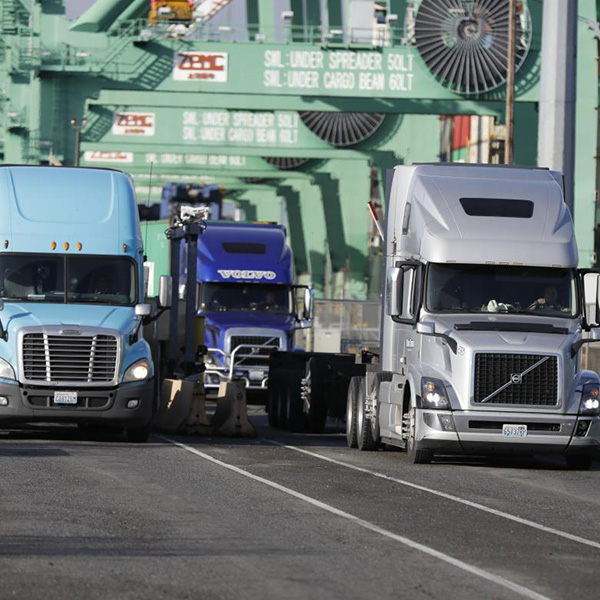
Feedback split along predictable lines on Washington’s efforts to adopt California’s strict standards on zero-emission medium- and heavy-duty trucks.
Southern California Edison
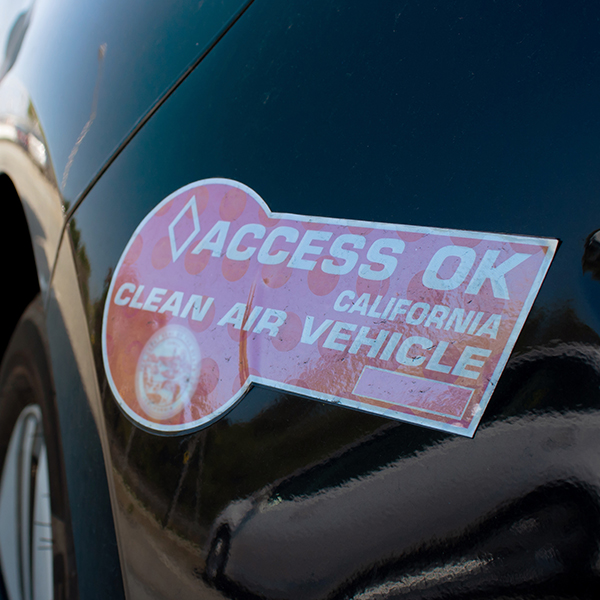
A California Air Resources Board proposal would give car manufacturers a new way to earn ZEV credits under the state’s Advanced Clean Cars program.
N.M. Interagency Climate Change
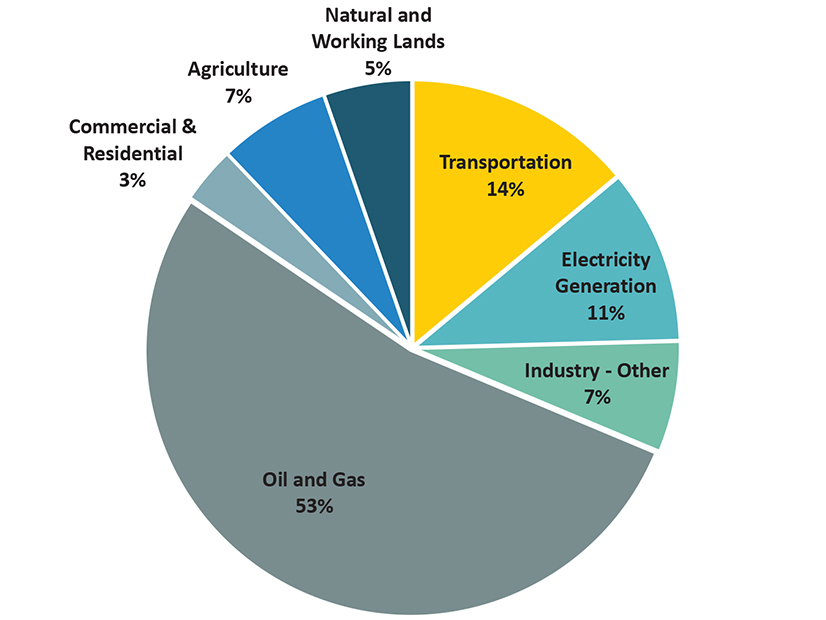
New Mexico is heading toward adoption of California clean car standards, but environmental groups say officials are moving too slowly.
Volkswagen
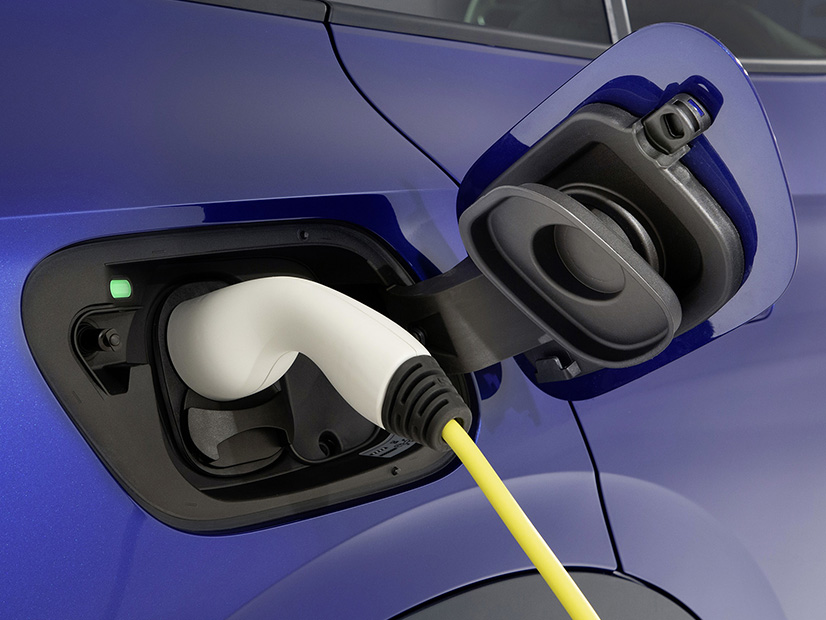
Robert O’Koniewski of the Massachusetts State Auto Dealers Association said reaching the state’s EV goals will require more affordable vehicles and choice.
Washington Department of Ecology
Washington officials have kicked off their work to adopt California’s transportation emissions standards, which will set targets for the adoption of ZEVs.
Environmental Defense Fund
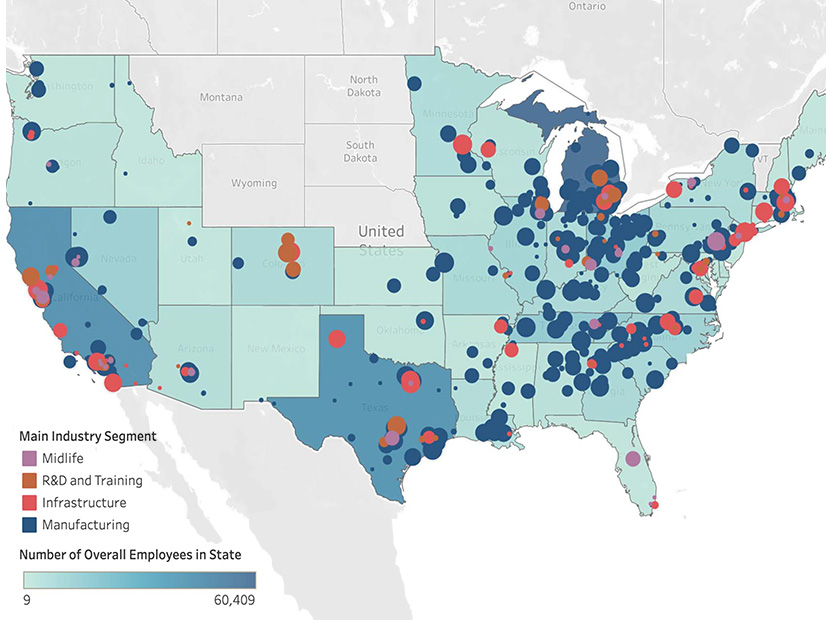
Zero-emission buses, box trucks and tractor trailers have already generated billions in economic activity and created hundreds of thousands of jobs, EDF says.
New York Climate Action Council Transportation Panel said market-based strategies can support a mandate for 100% zero-emission vehicles by 2035.
Want more? Advanced Search