
Search
April 5, 2026
Tom Kleckner
ERCOT / SPP Correspondent
Tom has 28 years of experience in the electric industry. During his time with Central and South West before its merger with AEP, he earned his family of four free airfare to New York City by making bi-monthly round trips between Dallas and Columbus as a member of the merger management team. Tom also handled public relations during TXU’s contentious effort to build 11 coal plants in Texas — and lived to talk about it. After a short stint with ERCOT helping implement its nodal market, Tom spent four years at SPP, managing communications for the implementation of the RTO’s Integrated Marketplace. A former sportswriter, Tom holds a journalism degree from the University of Texas at Austin and an MBA from Texas A&M University-Corpus Christi. He lives in The Woodlands, about 35 miles north of Houston.

Recent Articles
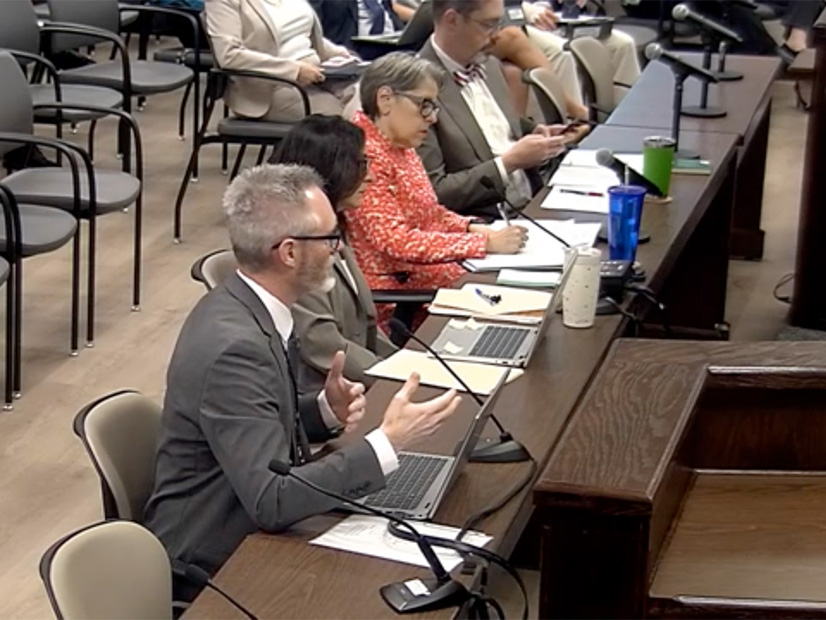
ERCOT Batch Process Rules Headed to Stakeholders
ERCOT staff say they are about to transfer work on the transitional batch study process to streamline the interconnection of large loads, as most of the rule is laid out in a Planning Guide revision request.
Read More


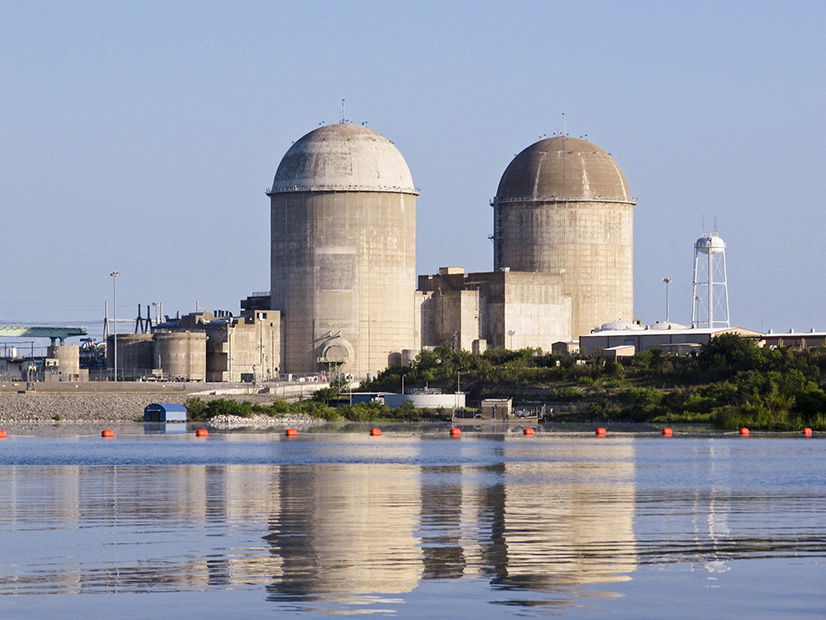
Texas Offers $350M in Grants for Advanced Nuclear Projects
Texas opened applications for $350 million in advanced nuclear grants through the Texas Advanced Nuclear Development Fund to support the state's nuclear energy industry.
Read More


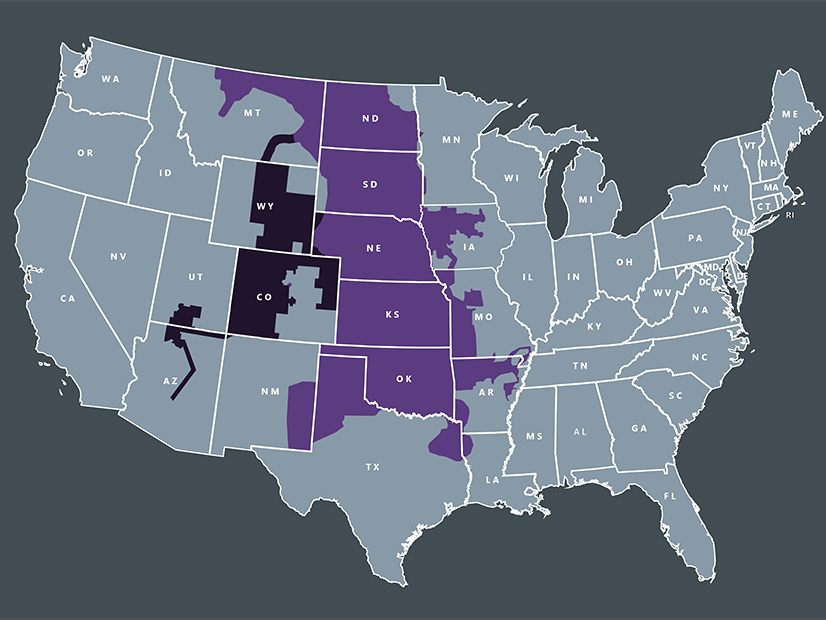
SPP Successfully Completes Western RTO Expansion
SPP has become the first grid operator to manage markets in both the Eastern and Western interconnections with its formal expansion into the West.
Read More


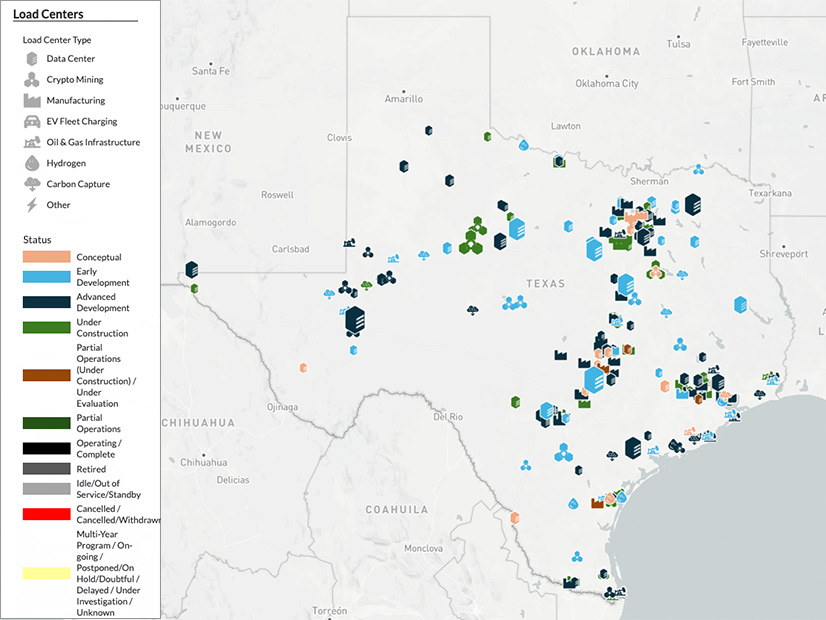
ERCOT Large Load Interconnection Queue Hits 410 GW
A slew of interconnection requests from large load customers submitted by Oncor Electric Delivery has pushed the ERCOT queue for interested data centers and crypto miners to over 410 GW.
Read More


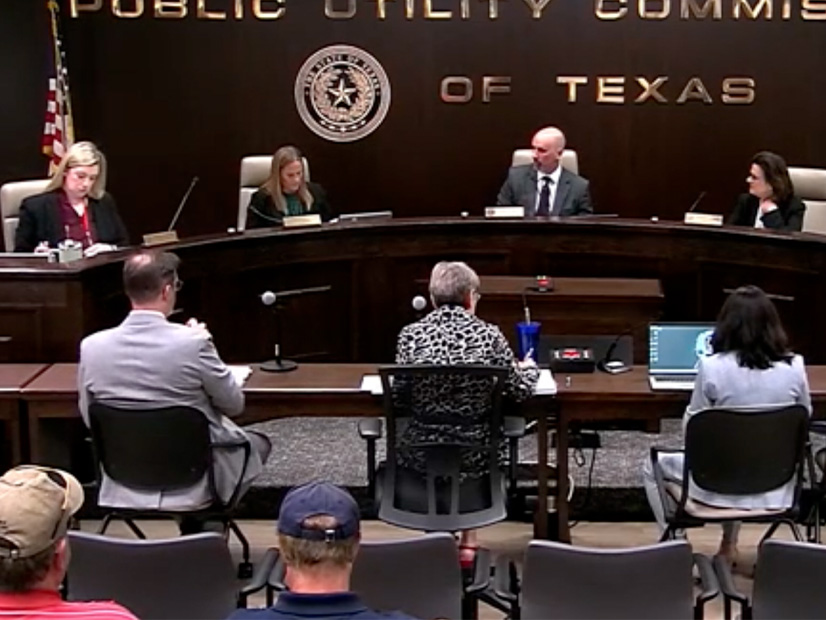
Texas PUC to Survey Large Loads’ Water Use
Texas regulators are launching a survey of water use by data centers and crypto miners to address concerns about whether the state is prepared for the potential demand from the large loads’ H2O needs.
Read More


Want more? Advanced Search
