Resource Adequacy
Resource adequacy is the ability of electric grid operators to supply enough electricity at the right locations, using current capacity and reserves, to meet demand. It is expressed as the probability of an outage due to insufficient capacity.
National Petroleum Council
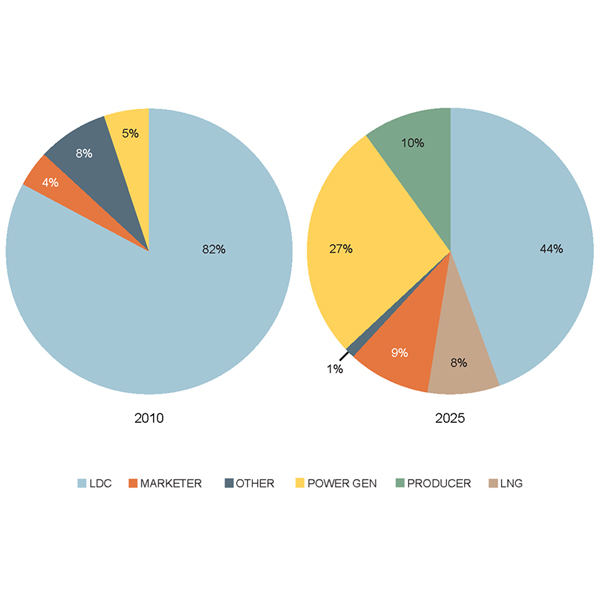
The National Petroleum Council is the latest group urging reforms to address gas-electric coordination including pipeline expansion, and reforms to organized power markets and pipeline tariffs.
Yes Energy
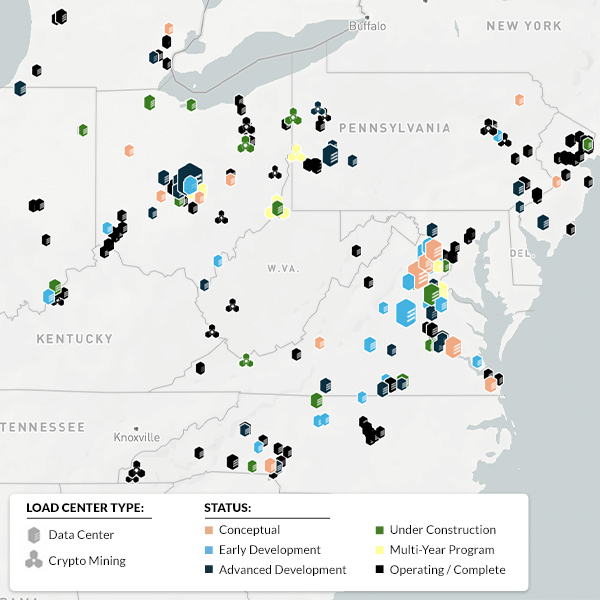
Many comments on the Department of Energy’s Advance Notice of Proposed Rulemaking to FERC on large load interconnections warned against going too far into jurisdictional issues.
EIA
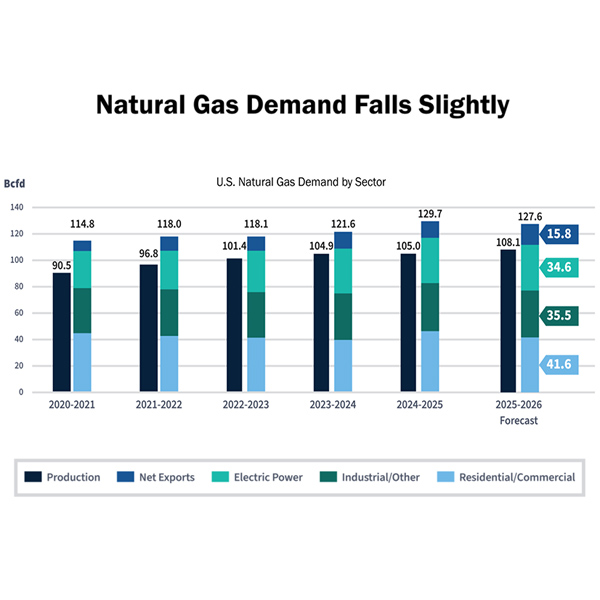
FERC staff warned that severe weather events "could create tight supply conditions" in some areas during the coming winter months.
NERC
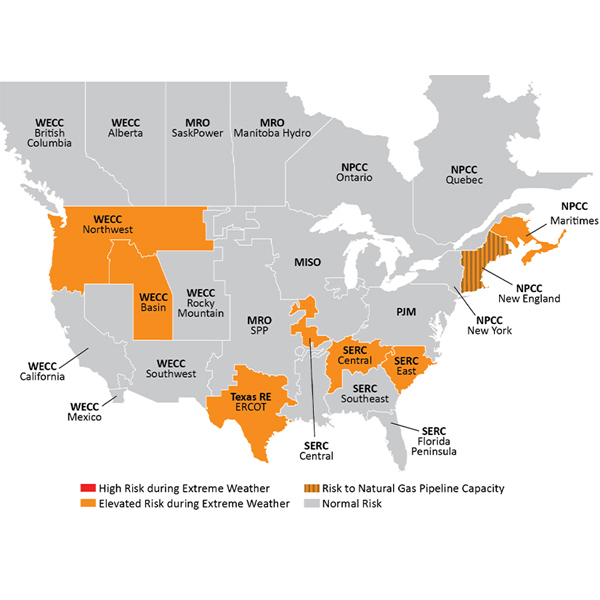
Rising electricity demand is adding to seasonal reliability risks this winter as supply has not kept pace with consumption in many regions, NERC reported in its Winter Reliability Assessment.

© RTO Insider
The Organization of MISO States is warning NERC that its possible new resource adequacy standard would tread on states’ planning authority.

© RTO Insider
Reports of the energy storage industry’s demise are greatly exaggerated, experts said during the American Clean Power Association’s annual Energy Storage Summit.
FERC
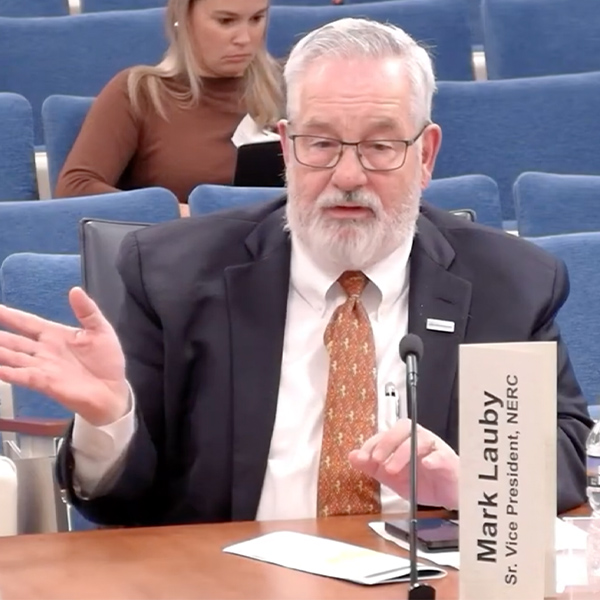
Panelists at FERC's Reliability Task Force praised the efforts of NERC's Large Loads Task Force while highlighting the work still needed.
FERC
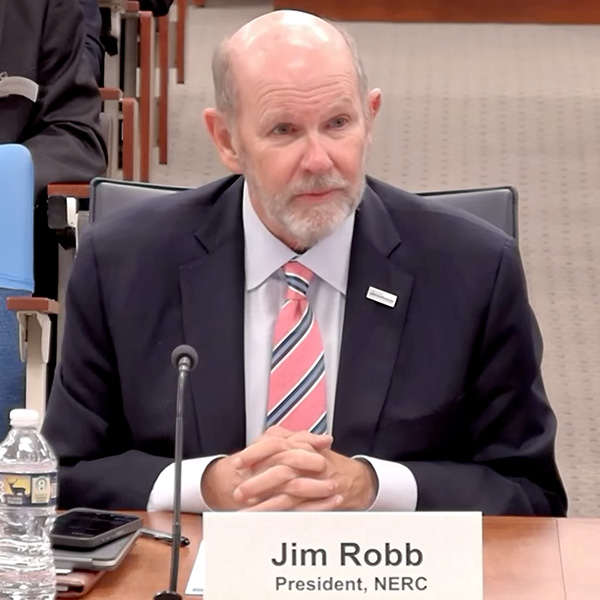
Representatives from NERC and the rest of the electric ecosystem joined FERC's annual Reliability Technical Conference to discuss the importance of planning in addressing large loads.
NERC
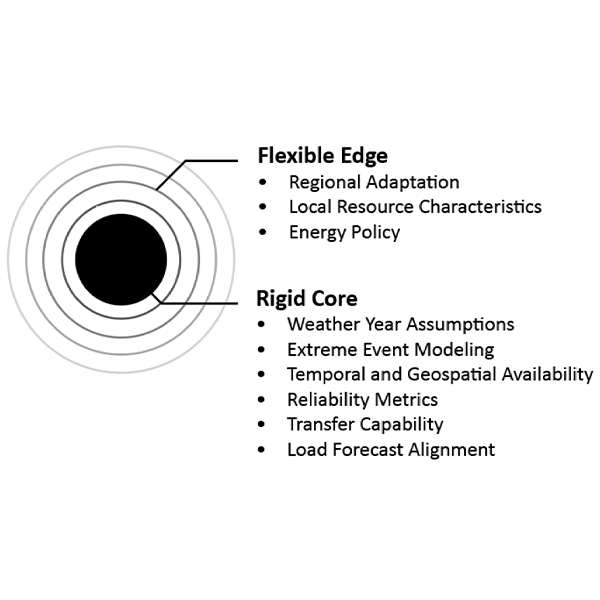
In a new report, NERC staff call for a reliability guideline to help establish consistent resource accreditation practices for regional system planners.
Rystad Energy, IGU
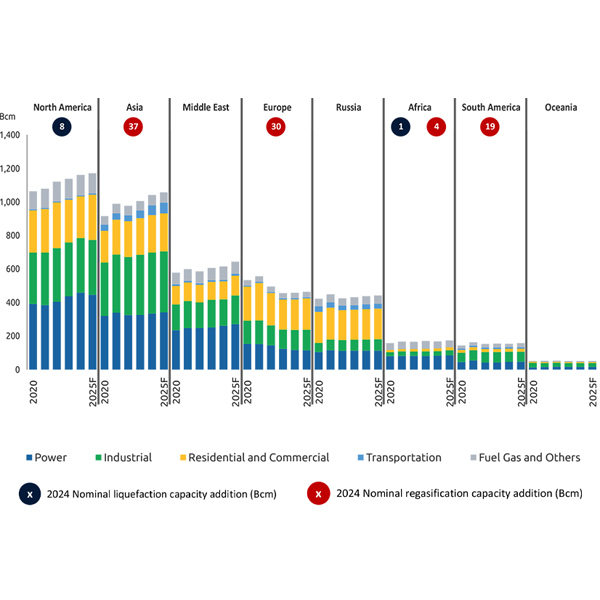
A report from the International Gas Union argued that the U.S. and other nations can do more to ensure natural gas is properly used as a resource for grid stability.
Want more? Advanced Search