FERC & Federal
The Federal Energy Regulatory Commission is an independent regulatory agency that oversees the transmission of electricity, natural gas and oil in interstate commerce, as well as regulating hydroelectric dams and natural gas facilities.
Texas RE
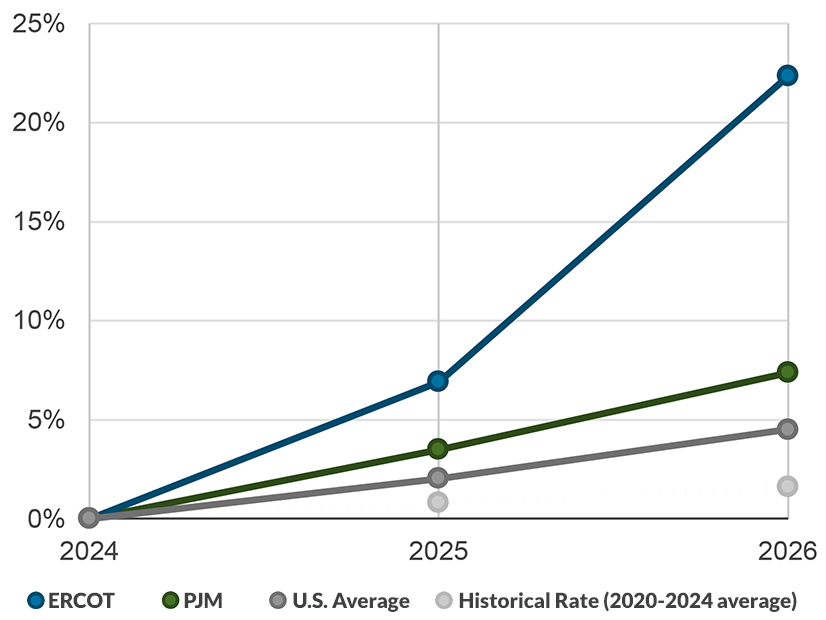
A speaker at a recent Texas RE webinar discussed the potential risks posed by the growth of artificial intelligence.
Colonial Pipeline
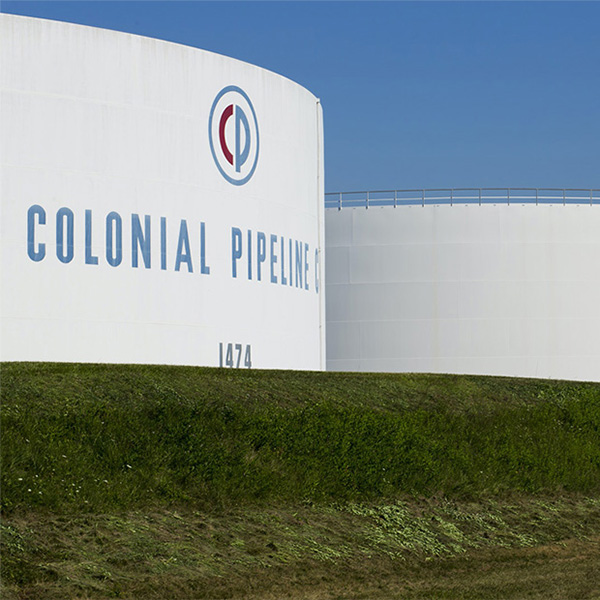
Opinion writer Shahid Mahdi worries about the cybersecurity risks of co-location, and asks if a co-located data center is hit with ransomware, does the nuclear plant have to trip offline?

FBI
Through Operation Winter SHIELD, the FBI will share a different cybersecurity recommendation each week.
CISA
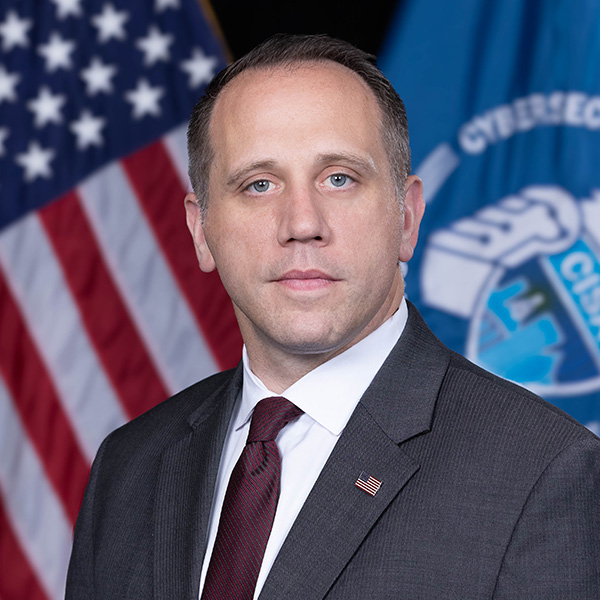
The Cybersecurity and Infrastructure Security Agency has released guidance to help critical infrastructure operators build insider threat management teams.
Grzegorz W. Tężycki, CC BY-SA 4.0 via Wikimedia Commons
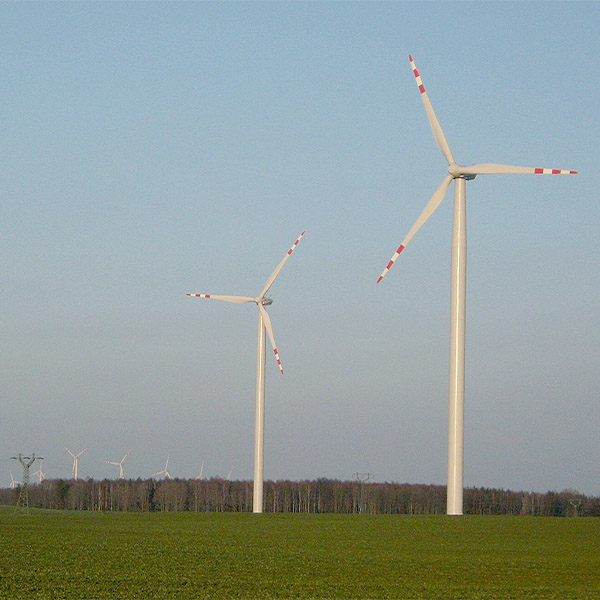
Cybersecurity firm Dragos has said a Russia-linked group was behind a recent attack on Poland's electric grid that targeted distributed energy resource control systems.
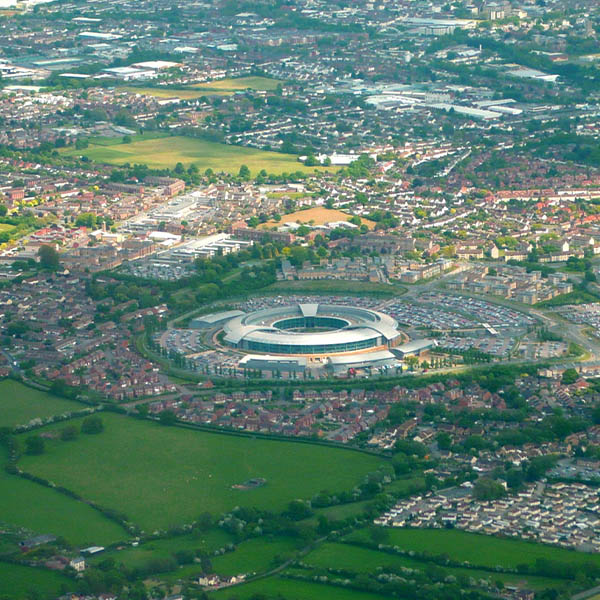
Bthebest, CC BY-SA 3.0, via Wikimedia Commons
CISA and several international peer organizations published a list of principles to guide operational technology cybersecurity measures.
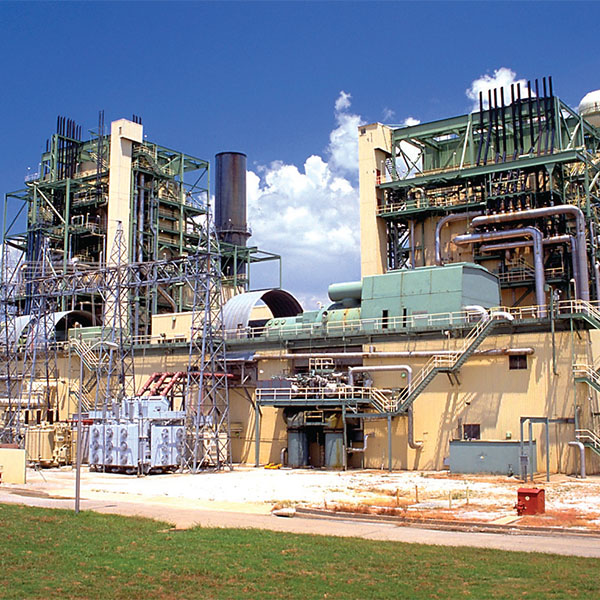
Luminant
In a settlement over violations of a regional standard, Texas RE determined that Luminant will not have to pay a monetary penalty.

CISA
The Cybersecurity and Infrastructure Security Agency updated its critical infrastructure cybersecurity goals to address emerging cybersecurity risks.
CISA
In new guidance, the Cybersecurity and Infrastructure Security Agency sought to help utilities integrate artificial intelligence into their operational technology environments.
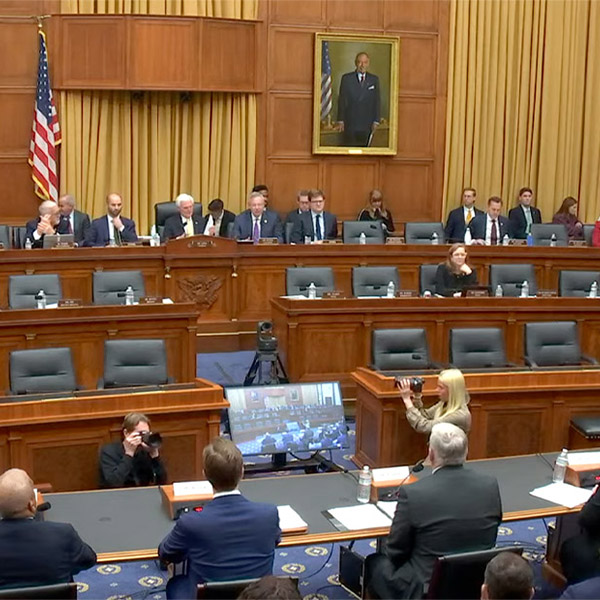
House Energy and Commerce Committee
Electricity sector participants urged Congress to support cyber security programs as the House E&C Committee’s Subcommittee on Energy heard testimony on the efforts of nation-states and other actors to hack the bulk power system.
Want more? Advanced Search