
FERC & Federal
The Federal Energy Regulatory Commission is an independent regulatory agency that oversees the transmission of electricity, natural gas and oil in interstate commerce, as well as regulating hydroelectric dams and natural gas facilities.
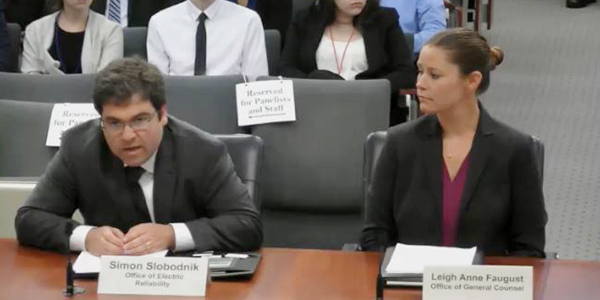
FERC expanded NERC’s cyber incident reporting requirements, closing what it said was a gap in the CIP reliability standards.
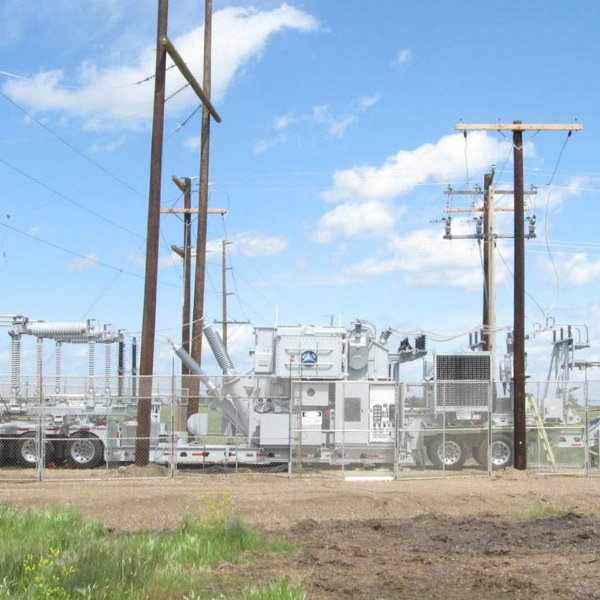
FERC Chairman Neil Chatterjee’s suggestion that incentives may be needed to encourage investments in infrastructure security received mixed reaction.
NERC
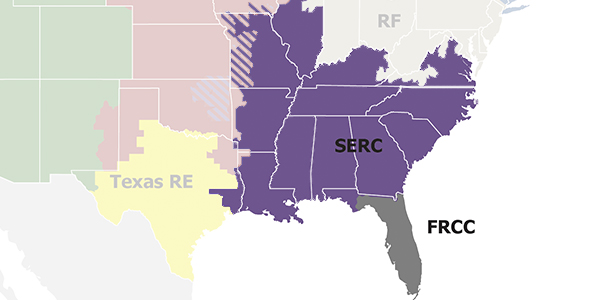
FERC approved SERC Reliability as the regional entity for all of Florida, replacing FRCC.
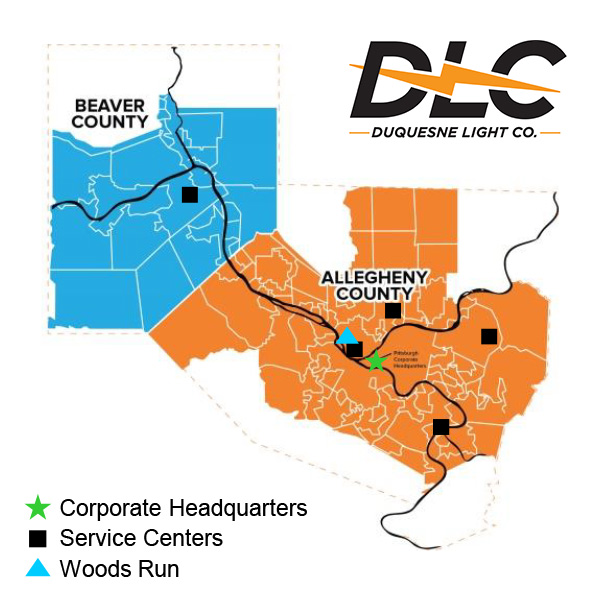
Duquesne Light Co.
FERC accepted settlements with Duquesne Light Co. and an unnamed municipal utility in the Western Electricity Coordinating Council for violations of NERC reliability standards.
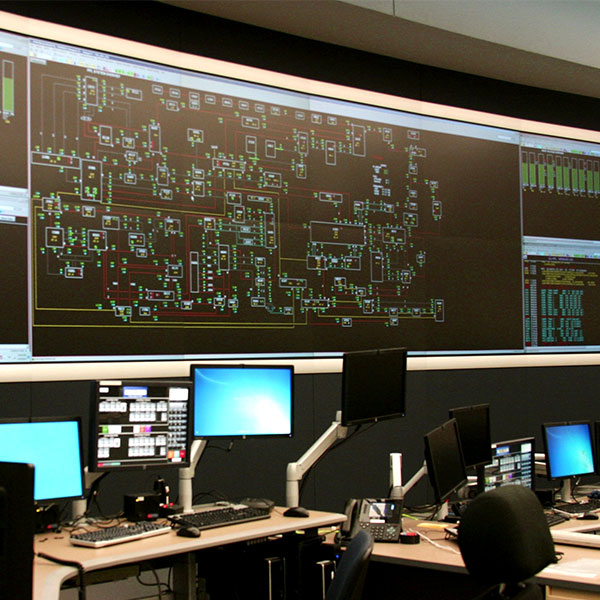
FERC called for two changes to NERC’s draft CIP standard governing the security of communications between control centers.

Speakers at NERC’s biennial Reliability Leadership Summit talked about the impact of the new U.S. resource mix and distributed generation on the grid.

© RTO Insider
NERC CEO Jim Robb said he sees no “appetite” among policymakers for expanding the organization’s authority despite concerns over the visibility of distributed energy resources.
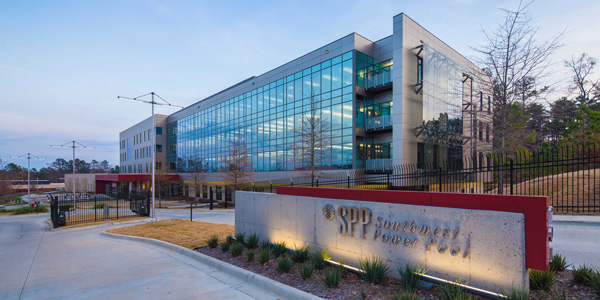
FERC denied SPP’s request for waivers from regulations guiding the confidential information in its explanation of how it allocated costs related to a fine.
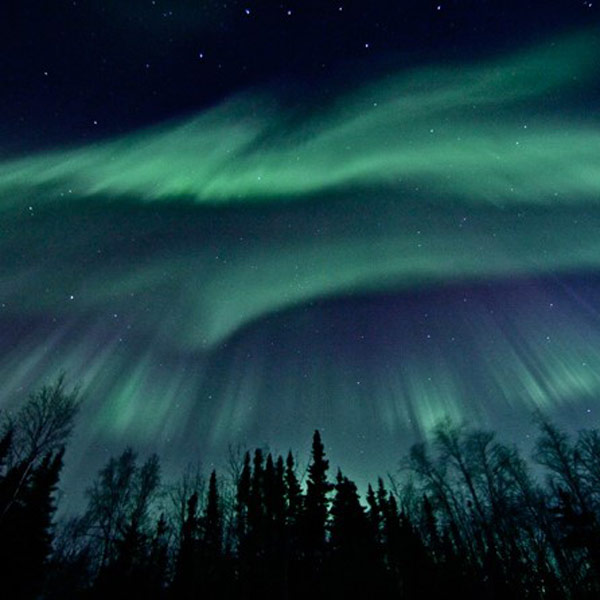
FERC approved NERC’s revised GMD reliability standard, which broadens requires grid operators to collect certain data and imposes deadlines for corrective actions.
FERC Commissioner Cheryl LaFleur and several stakeholders expressed concern Tuesday that “fuel war” partisans could weaponize NERC’s coming analysis on the impact of a dramatic increase in coal and nuclear plant retirements.
Want more? Advanced Search
