
Water Heating
Shutterstock
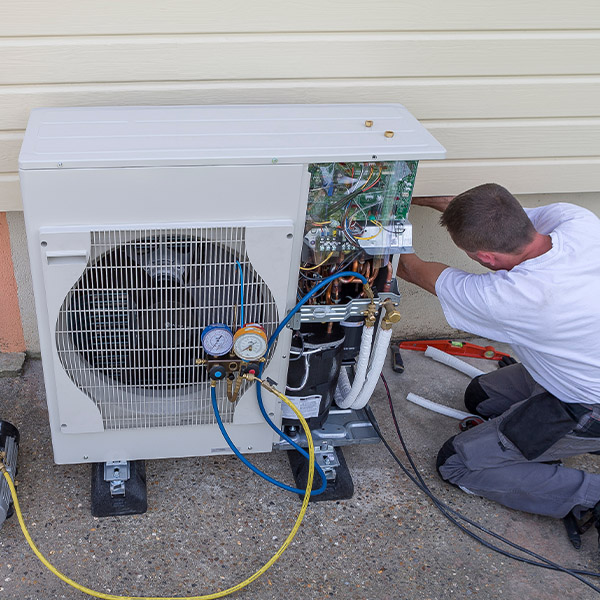
A bill that would require New Jersey utilities to offer building electrification incentive programs sparked more than two hours of heated debate.
Shutterstock
ACEEE published a paper showing how states can maximize the impact of federal funds for home energy retrofits.

© RTO Insider LLC
A new Berkeley Lab report finds that a combination of aggressive demand and supply side measures could slash greenhouse gas emissions in the building sector 91% below 2005 levels by 2050.
Shutterstock
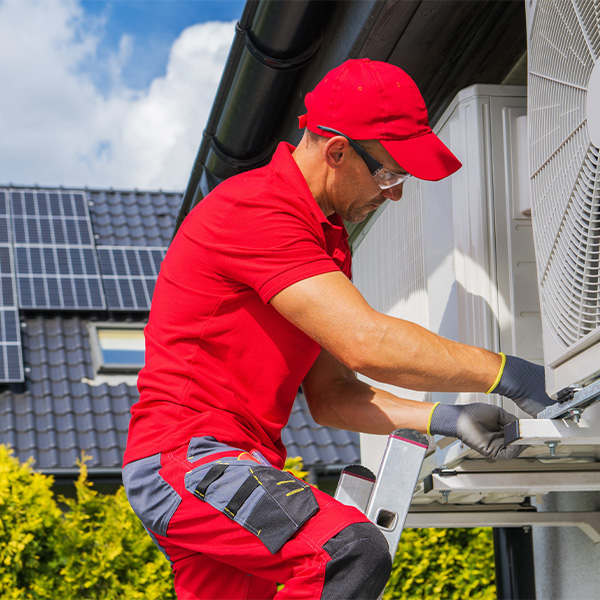
The D.C. Council has approved a bill aimed at electrifying 30,000 low-income homes across the district by 2040, but a fight is brewing over funding for the program.
DOE
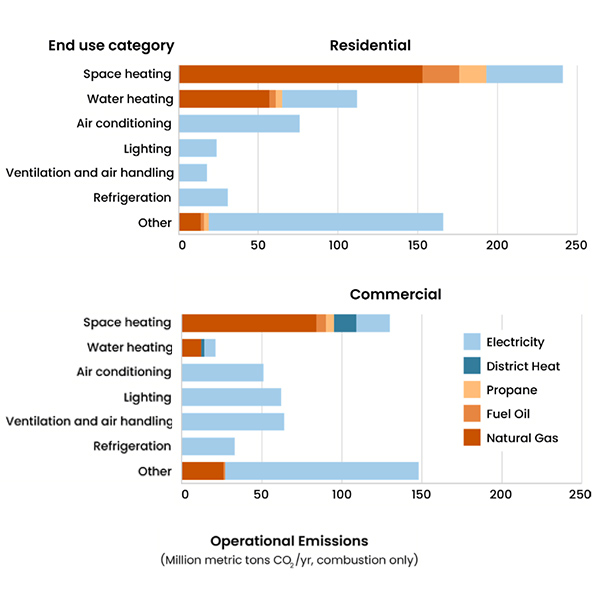
The Biden administration released a plan to decarbonize the country’s building sector, which it says could reduce emissions in the sector by 65% by 2035 and 90% by 2050.

© RTO Insider LLC
Building decarbonization is at once critical for the environment, expensive for building owners and potentially taxing for the power grid.

© RTO Insider LLC
The networked heating systems New York wants to test on a pilot scale hold promise for the environment and society but are taking time to design.

Energy and Environmental Economics (E3), Ava Community Energy and Gridworks
Targeted electrification could allow decommissioning of up to 10% of gas mains but is no silver bullet for solving the gas cost challenge, researchers say.

Shutterstock
More than 70 energy-related laws have been introduced in the first month of the Maryland General Assembly’s 2024 session.
Shutterstock
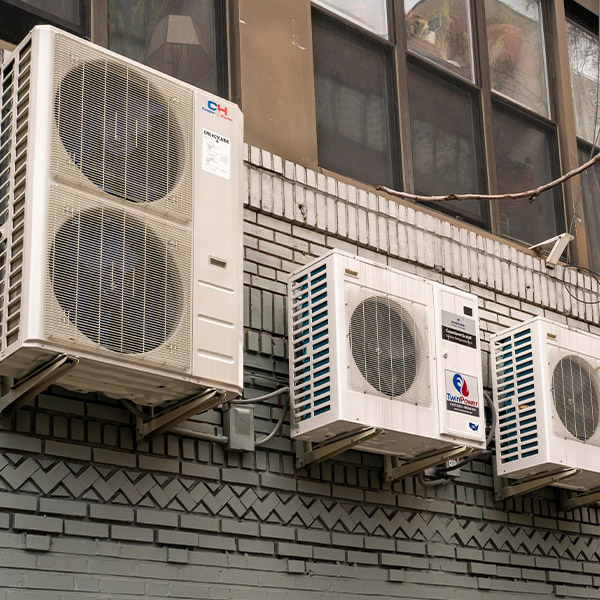
A memorandum of understanding announced Feb. 7 sets a goal of heat pump technology comprising 65% of residential heating, cooling and water heating equipment sales by 2030.
Want more? Advanced Search
