Building Decarbonization

© RTO Insider LLC
As Maryland works toward some of the most ambitious emission reduction goals in the nation, PJM has warned that the 2025 closure of coal plants in the state could lead to rolling blackouts.
Itron
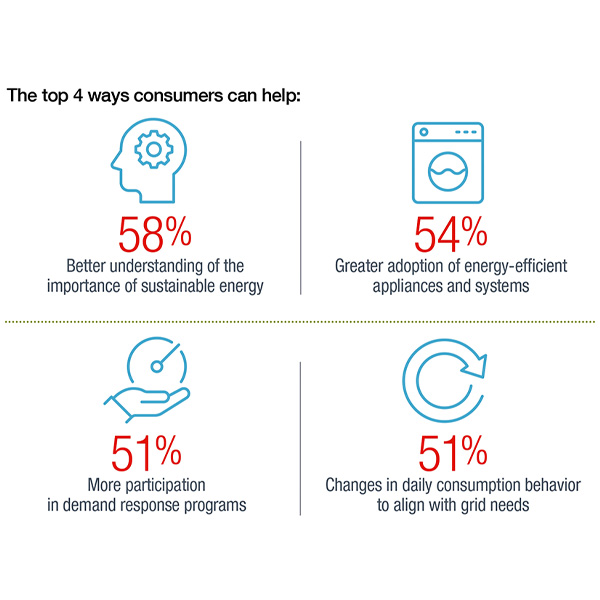
Itron's 2023 Resourcefulness Insight Report examines the U.S. energy transition from the perspective of 250 U.S. utility executives and 10 public utility commissioners.
ISO-NE
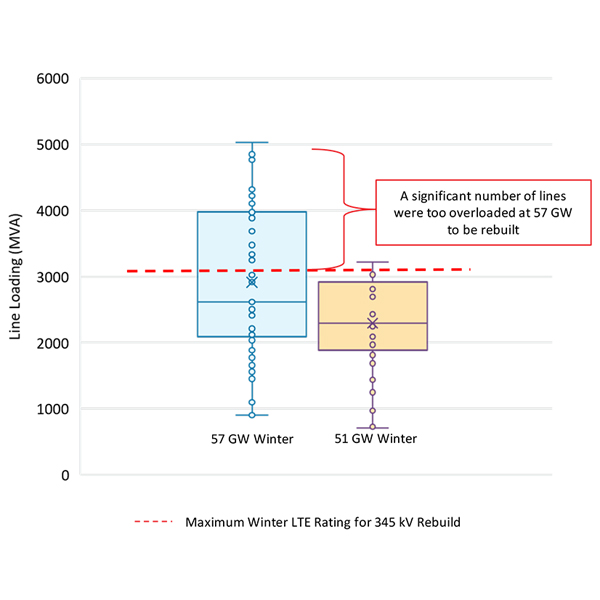
Transmission upgrades that are needed to avoid overloads in a fully electrified New England by 2050 could cumulatively cost between $22 billion and $26 billion, ISO-NE told its Planning Advisory Committee.
Shutterstock
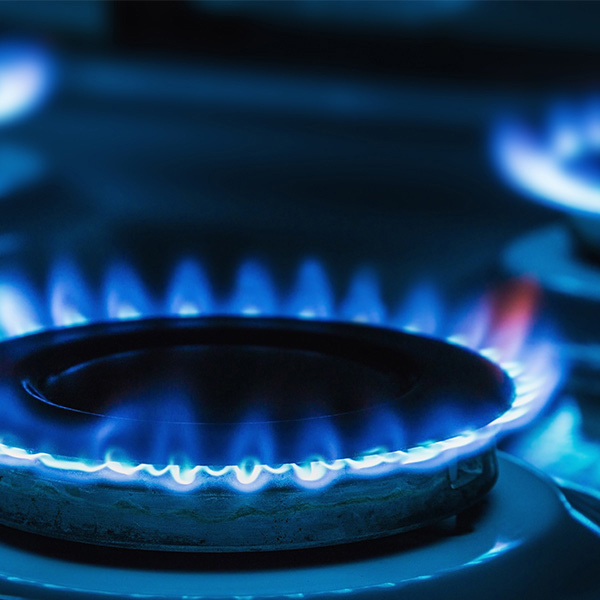
The suit says New York's ban is preempted by federal law, seeking to apply the precedent from the Ninth Circuit's decision overturning Berkeley Calif.'s ban.
Lawrence Berkeley National Laboratory
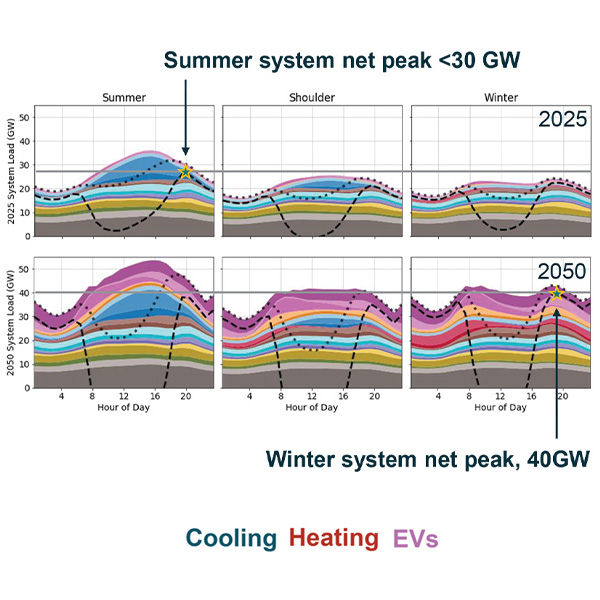
Load flexibility is the fastest and cheapest way to prepare for rising electricity demand, panel participants at a CEC-EPRI conference said.

© RTO Insider LLC
To decarbonize homes in low-income communities, agencies need to remove administrative barriers, consider all types of housing and prepare for a hotter world, experts said.

© RTO Insider LLC
Nine of the world's largest makers of building heating and cooling equipment have signed on to support California's goal of having 6 million new electric heat pumps by 2030.
Arup
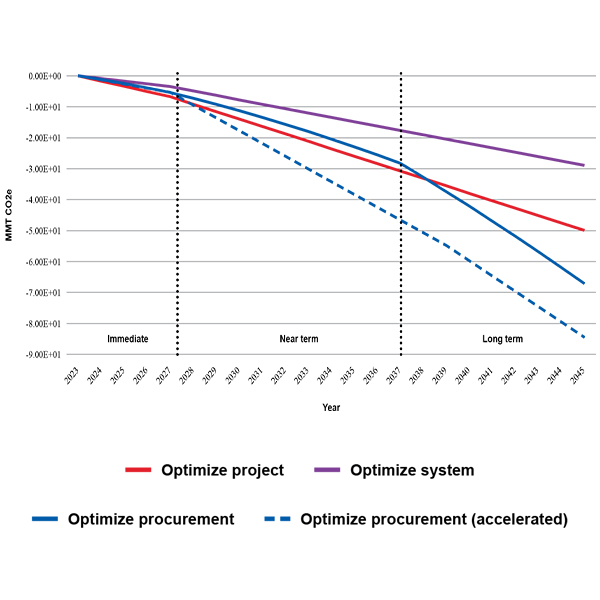
California needs both building-focused and material-focused approaches to driving down the embodied carbon in new construction if it is to reach its net zero goals, according to a new study.
RMI
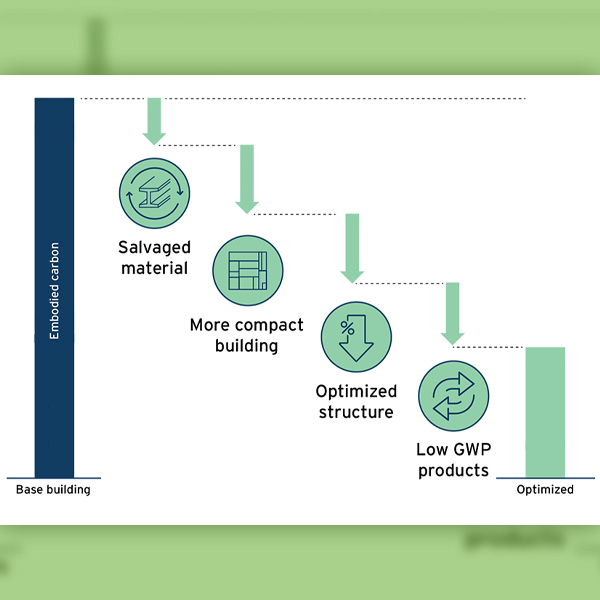
The building sector has the potential to move from being a massive emissions source to a carbon sink, a new report said.

Shutterstock
A coalition of 25 governors committed to a goal of 20 million heat pumps operating in their states by 2030.
Want more? Advanced Search