White House
Shutterstock
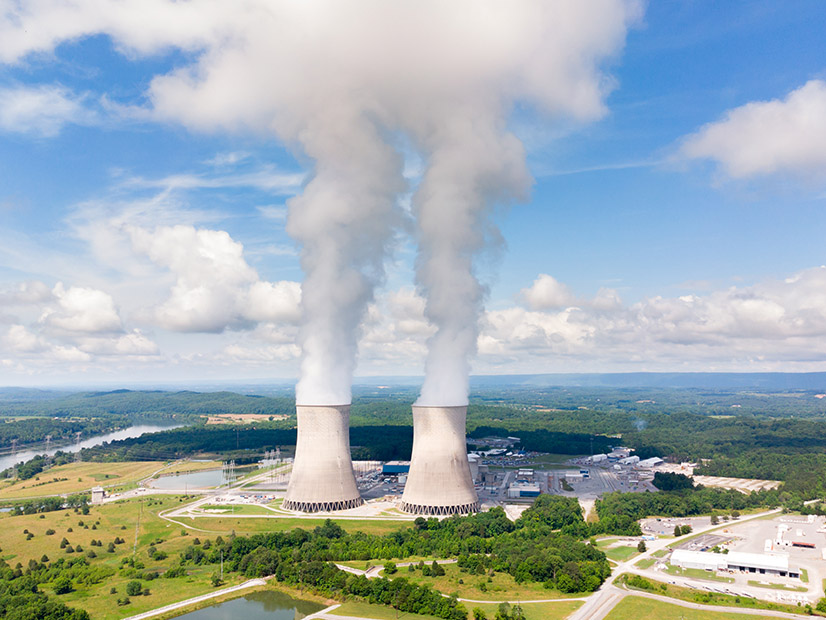
The Nuclear Regulatory Commission reports that 90 of the nation’s 95 operational commercial nuclear reactors met the highest category of performance in the 2025 oversight process.
Wood Mackenzie
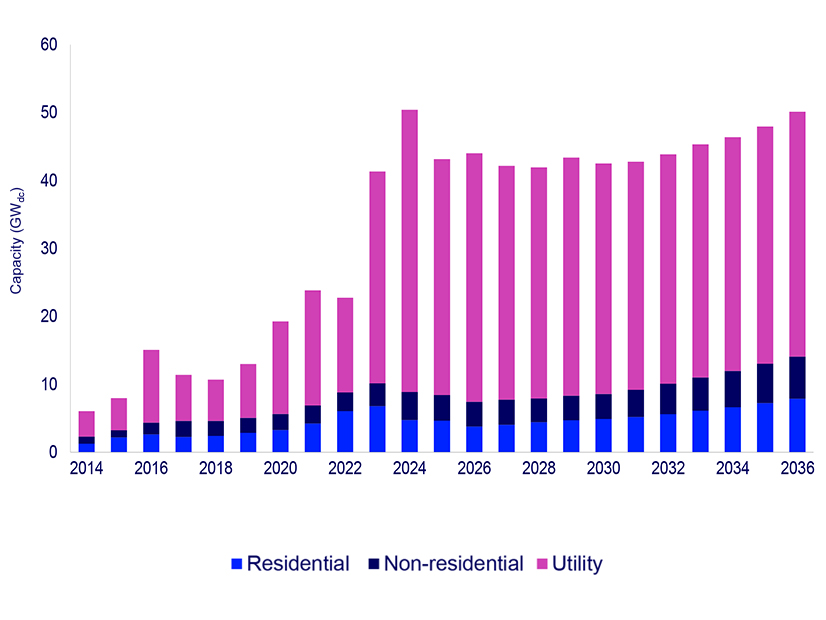
Nearly 40% fewer U.S. solar power projects reached completion in the fourth quarter than in the third quarter as developers pivoted to start new projects in time to qualify for tax credits.
ARCHES
Thirteen blue states are suing the Trump administration for reversing Biden administration funding commitments worth $7.6 billion for energy and infrastructure projects.

© RTO Insider
After a remarkably bad year for the U.S. offshore wind industry, the Oceantic Network’s annual conference was focused on engineering a rebound rather than licking wounds.
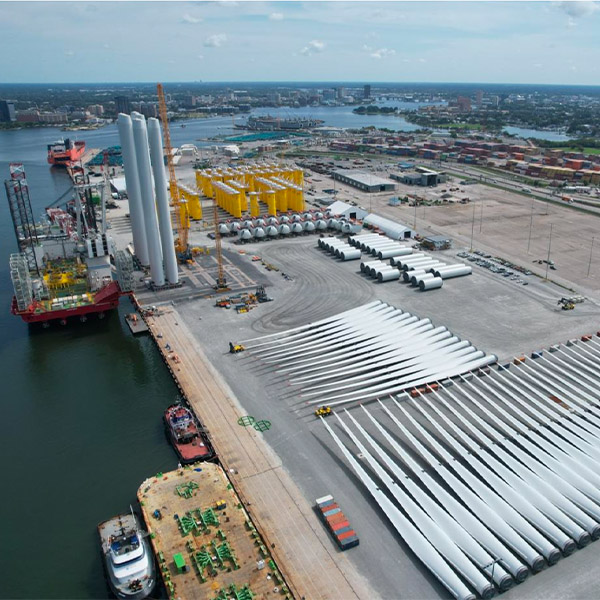
Dominion Energy
Interior Secretary Doug Burgum said an appeal “absolutely” is coming on the stop-work orders that his agency imposed and judges lifted against five offshore wind projects.
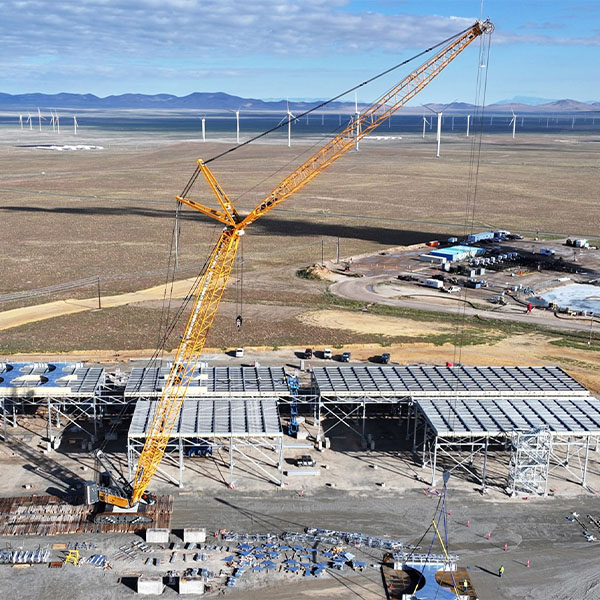
Fervo Energy
The 99 U.S. plants online in 2024 had a combined nameplate capacity of 3.97 GW, up 8% from 2020, a new report indicates.

NYSERDA
Four judges have granted all five projects under construction in U.S. waters permission to resume construction.
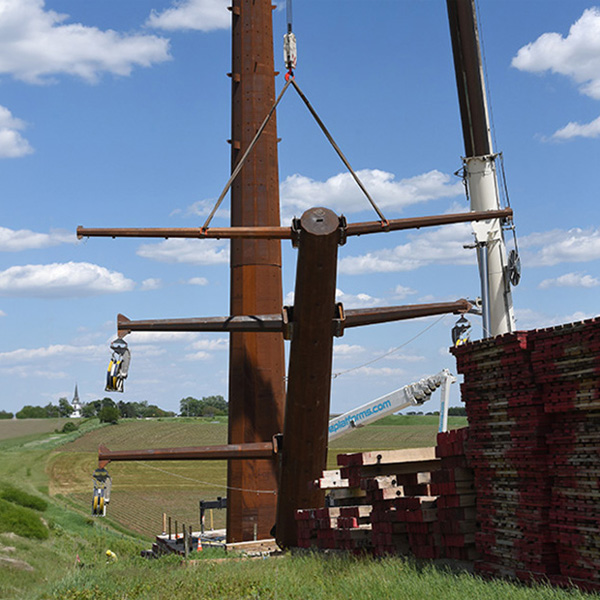
ATC and ITC Midwest
Senators in both parties want to pass permitting legislation, but Democrats will not move forward on a bill unless they get assurances the Trump administration will stop impeding clean energy projects.
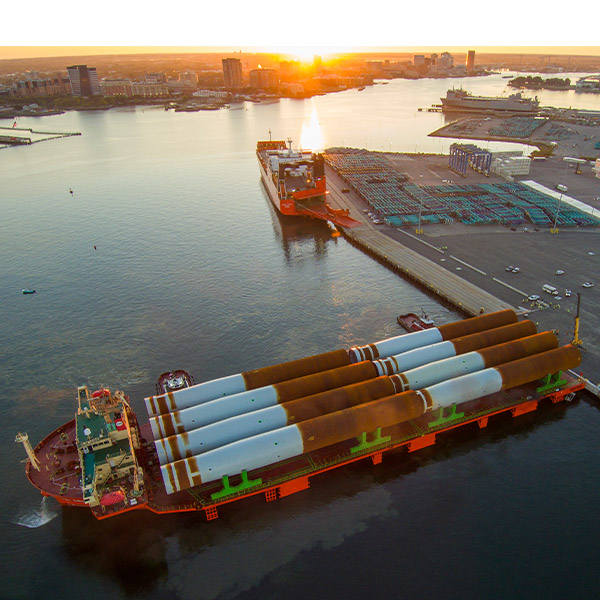
Dominion Energy
A federal judge has granted Dominion Energy a preliminary injunction against the stop-work order the Trump administration slapped on the nation’s largest offshore wind project.
BOEM
Equinor won a temporary injunction against the Trump administration’s stop-work order on U.S. offshore wind projects, allowing it to resume work on Empire Wind.
Want more? Advanced Search