
Fossil Fuels

IPPNY / Tim Raab
Generation industry representatives and their allies united behind a call to loosen New York’s climate law to allow the repowering of old fossil fuel plants with new natural gas turbines at the Independent Power Producers of New York’s 40th annual Spring Conference.
Shutterstock
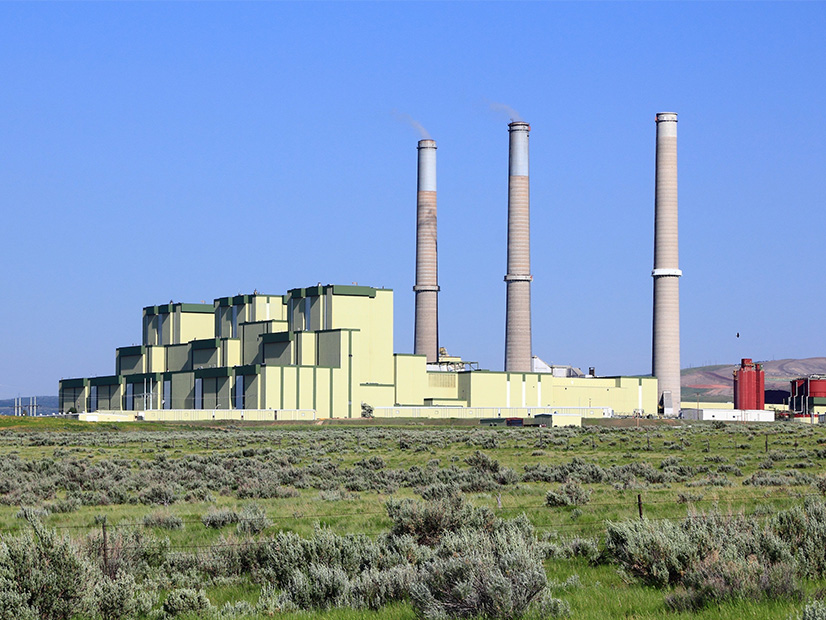
Challenges are piling up to Trump administration orders to keep retiring coal plants online, as the Colorado attorney general and environmental groups have filed petitions to overturn an extension of Craig Station Unit 1.

Astoria Generating Company
Alpha Generation, owner and operator of the Gowanus and Narrows floating power plants in New York City, has proposed replacing the six peaking units with three lower-emitting ones in response to Consolidated Edison’s solicitation for solutions to the city’s reliability need.

Sterling Industrial
Public interest organizations have taken their challenge of the Department of Energy’s emergency orders keeping two Indiana coal plants operating past their planned retirement dates to the D.C. Circuit Court of Appeals.
Steven Baltakatei Sandoval, CC BY-SA 4.0, via Wikimedia Commons
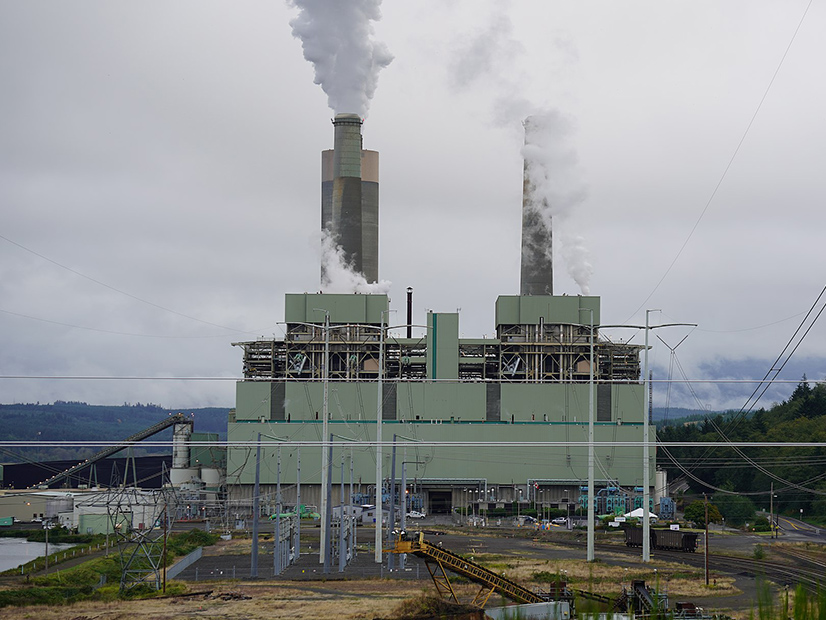
The Department of Energy extended an order that will continue to keep Washington’s last remaining coal-fired plant open past its long-scheduled retirement at the end of 2025.

Department of the Interior
The Trump administration announced energy, technology and resource deals worth $56 billion coming out of an Asia-Pacific energy security summit.
Virginia Department of Historic Resources
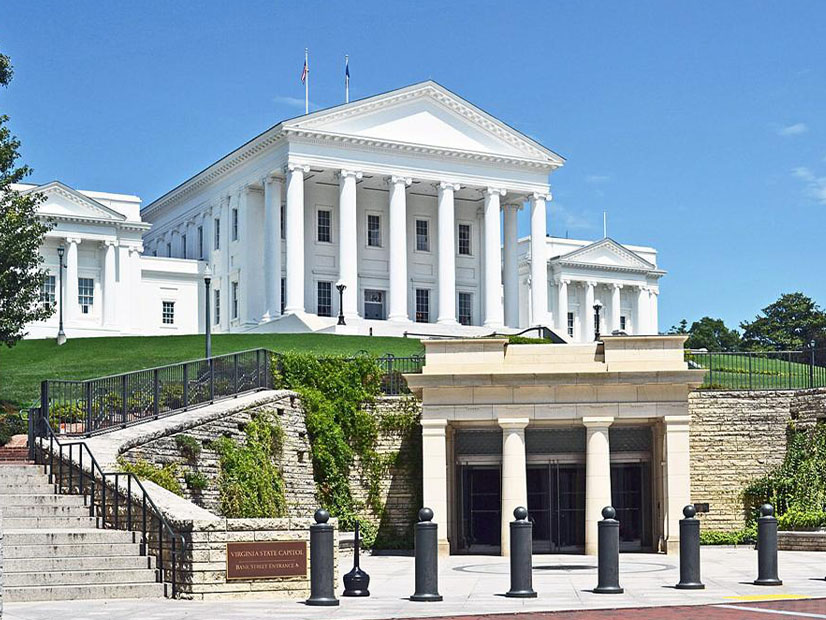
The Virginia General Assembly wrapped up its session and Democrats used the power they won in November's elections to push through bills favoring clean energy as the state faces significant load growth from data centers.
Earthjustice
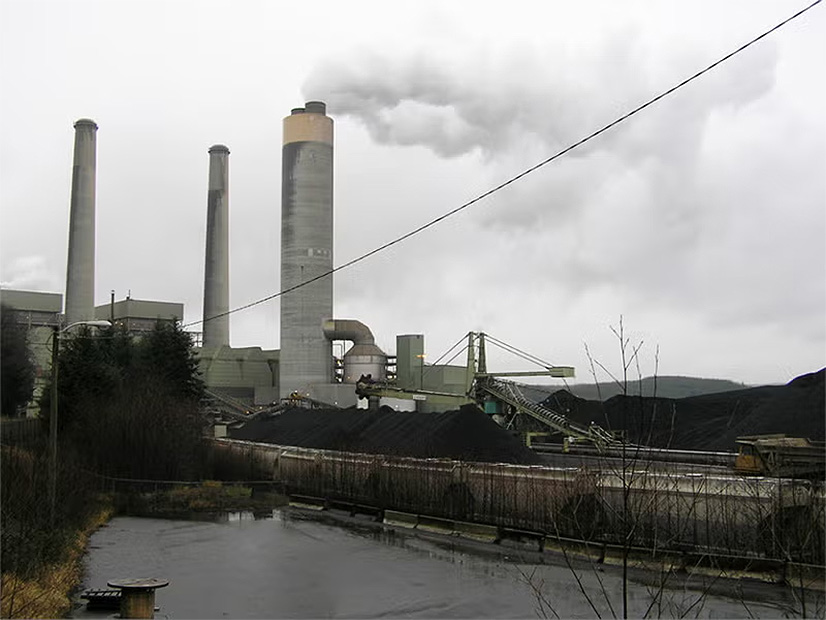
Washington’s attorney general and a coalition of public interest organizations filed separate lawsuits to overturn the Department of Energy’s order requiring TransAlta to continue operating the state’s last coal-fired plant beyond its scheduled retirement.
Shutterstock
The state authority managing New York’s clean-energy transition estimated one part of complying with the state’s climate law could carry a gross impact of more than $4,000 per year per household in some cases.

PSEG
PSEG is working to meet the energy needs expressed by New Jersey Gov. Mikie Sherrill and is gearing up to help with the potential expansion of the state’s nuclear and gas generation fleet.
Want more? Advanced Search
