
Coal
Shutterstock
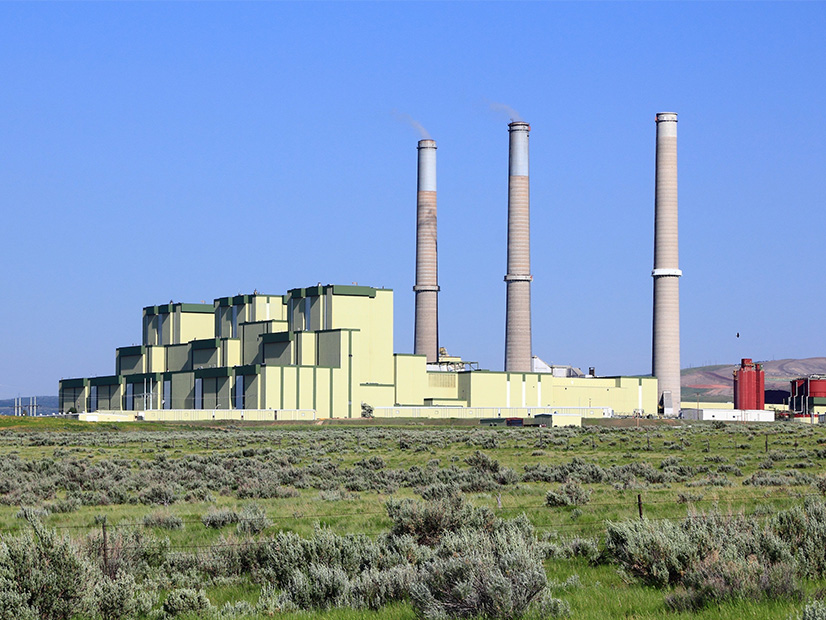
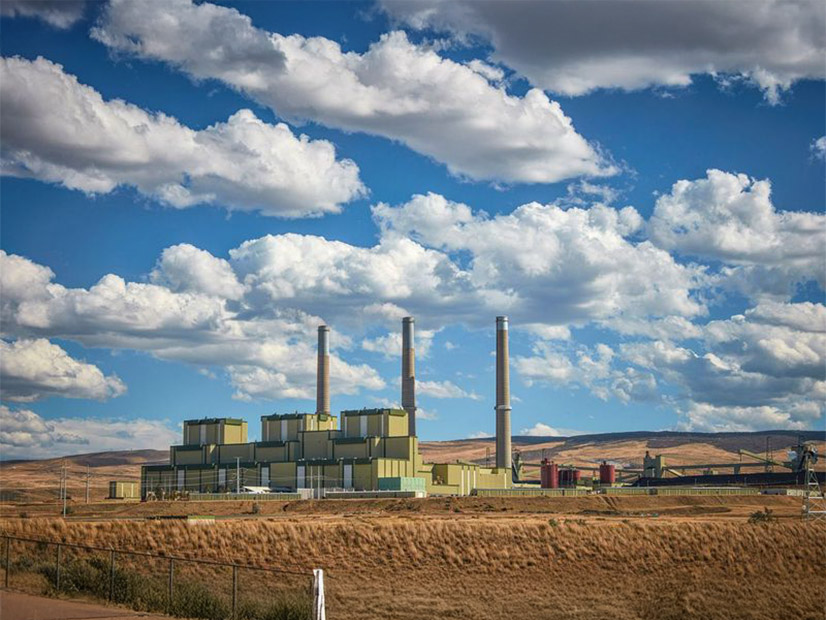
Challenges are piling up to Trump administration orders to keep retiring coal plants online, as the Colorado attorney general and environmental groups have filed petitions to overturn an extension of Craig Station Unit 1.
Sterling Industrial
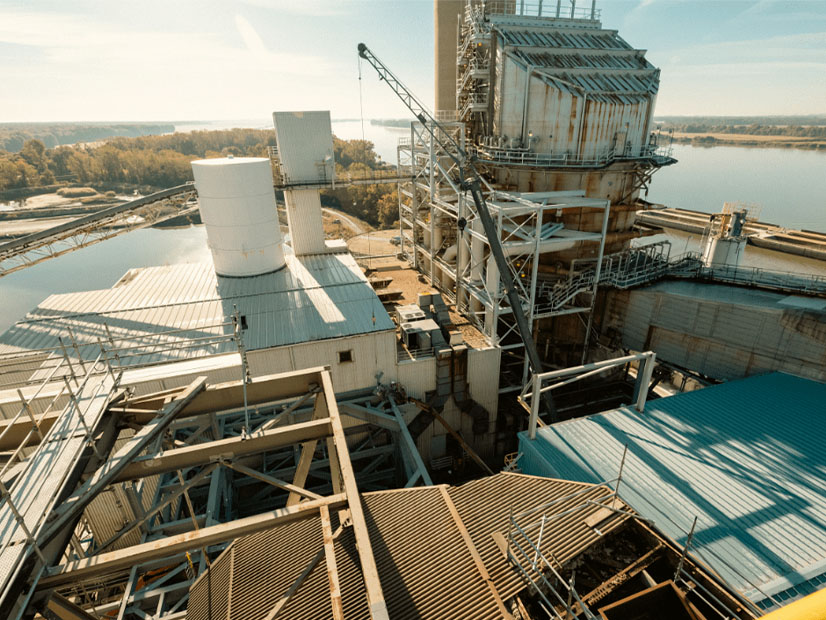
Public interest organizations have taken their challenge of the Department of Energy’s emergency orders keeping two Indiana coal plants operating past their planned retirement dates to the D.C. Circuit Court of Appeals.
Steven Baltakatei Sandoval, CC BY-SA 4.0, via Wikimedia Commons
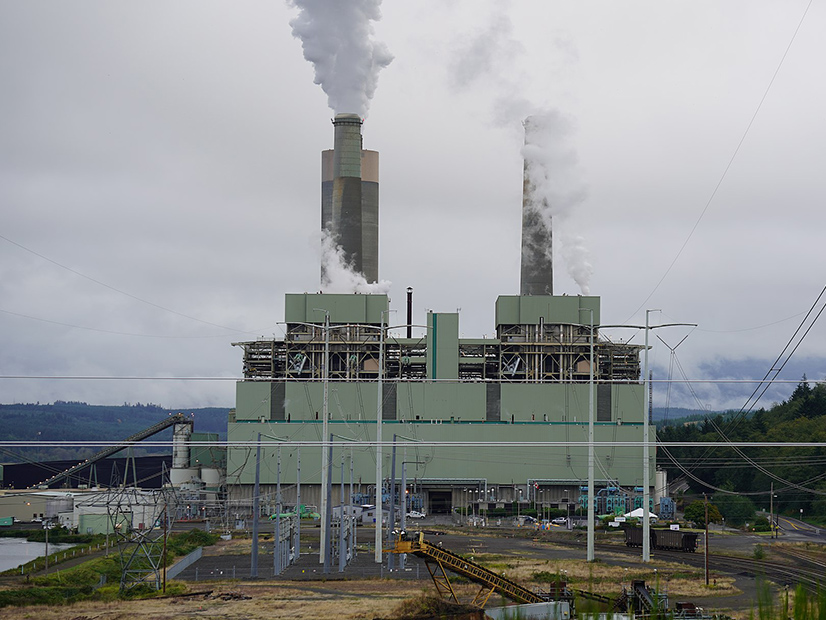
The Department of Energy extended an order that will continue to keep Washington’s last remaining coal-fired plant open past its long-scheduled retirement at the end of 2025.

Department of the Interior
The Trump administration announced energy, technology and resource deals worth $56 billion coming out of an Asia-Pacific energy security summit.
Earthjustice
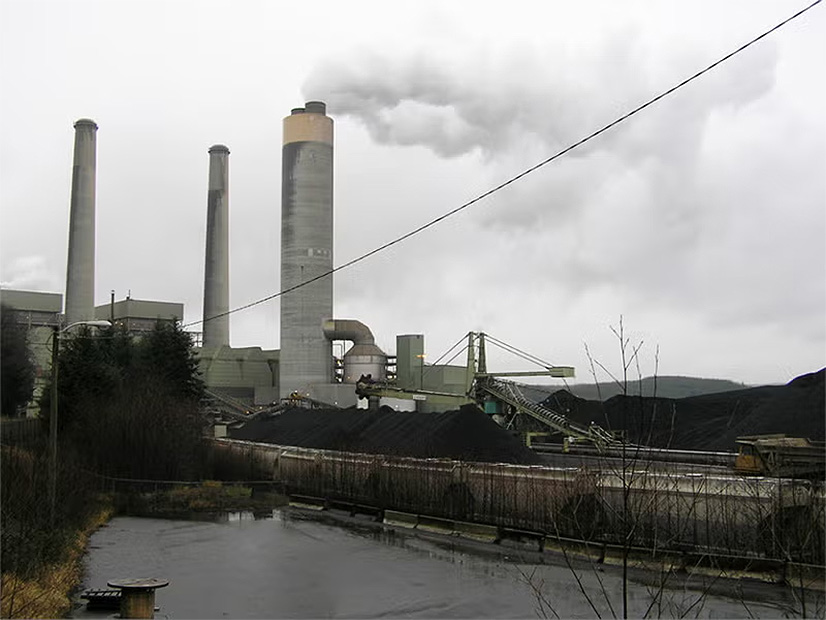
Washington’s attorney general and a coalition of public interest organizations filed separate lawsuits to overturn the Department of Energy’s order requiring TransAlta to continue operating the state’s last coal-fired plant beyond its scheduled retirement.
Tri-State Generation and Transmission Association
A bill in the Colorado legislature seeks to reduce the environmental impact of federal orders delaying the retirement of coal-fired power plants.
EIA
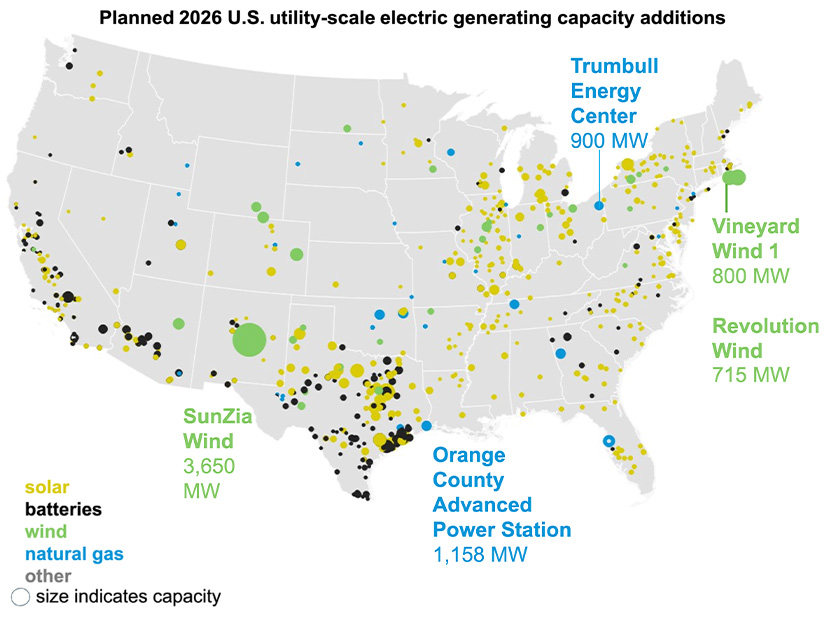
The EIA released a report that said a record 86 GW of utility-scale capacity is projected to be added to the grid in 2026, which if true, would far outpace the 53 GW of capacity added in 2025.
Oklahoma Municipal Power Authority
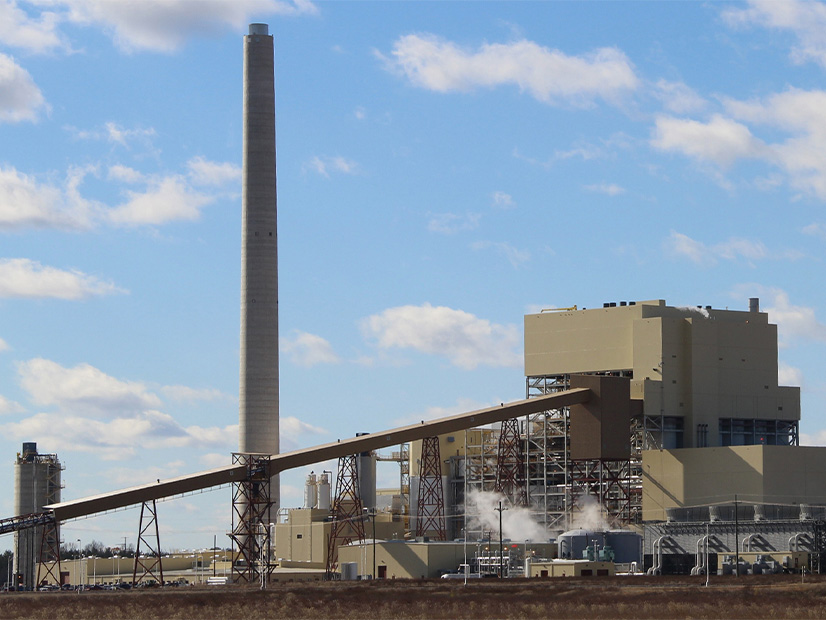
EPA revoked its 2024 updates to the MATS rules, which included regulation of non-mercury emissions and monitoring equipment requirements for all covered power plants.
Windy.com
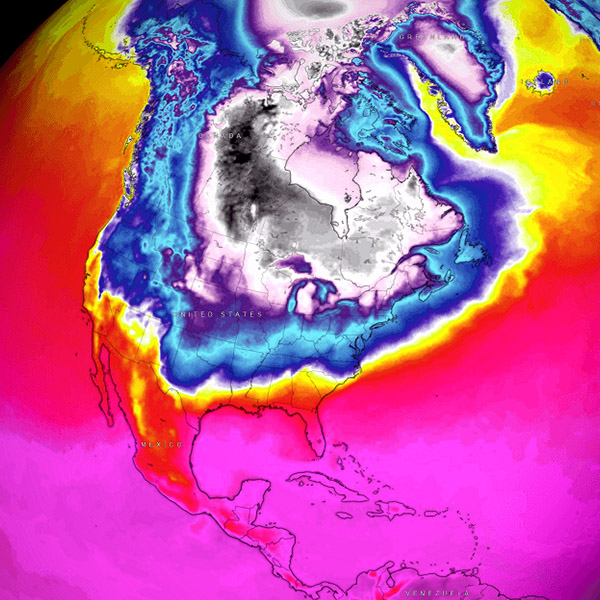
With Winter Storm Fern, we learned, once again, that our nation’s power grids rely on a significant fossil mix when the weather turns nasty, writes columnist Peter Kelly-Detwiler.
TVA
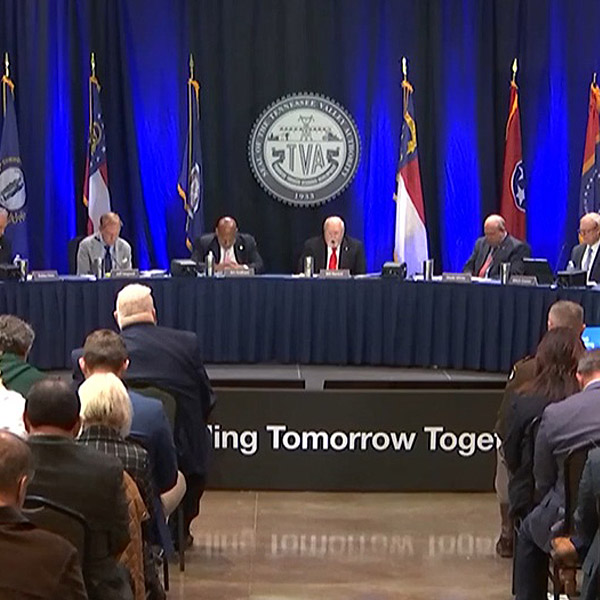
The Tennessee Valley Authority revoked its previous decision to wind down operations at two of its coal plants, citing upward demand and the Trump administration’s coal-friendly posture.
Want more? Advanced Search
