Offshore Wind Power
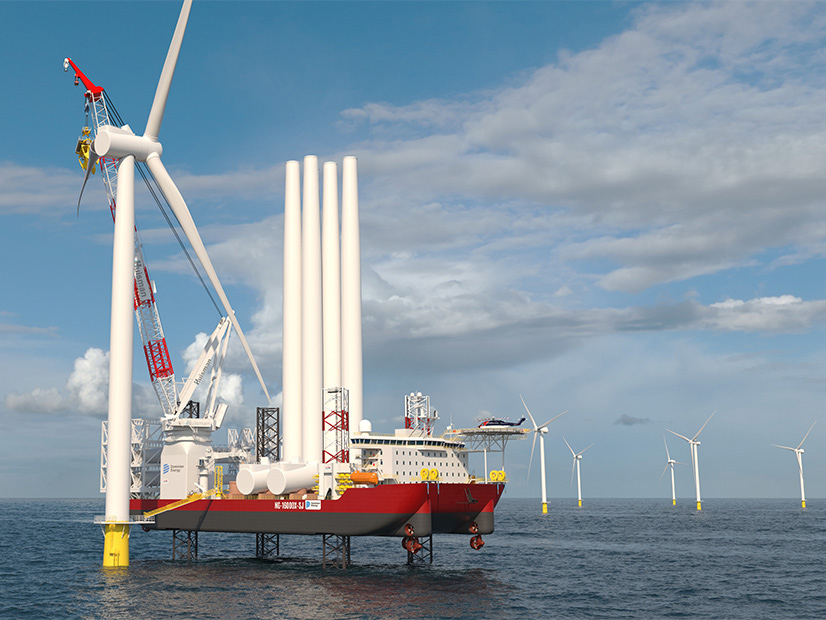
Dominion Energy
Dominion Energy is embarking on a “top-to-bottom” review of its investments and operations to address underperforming share values, the company announced.
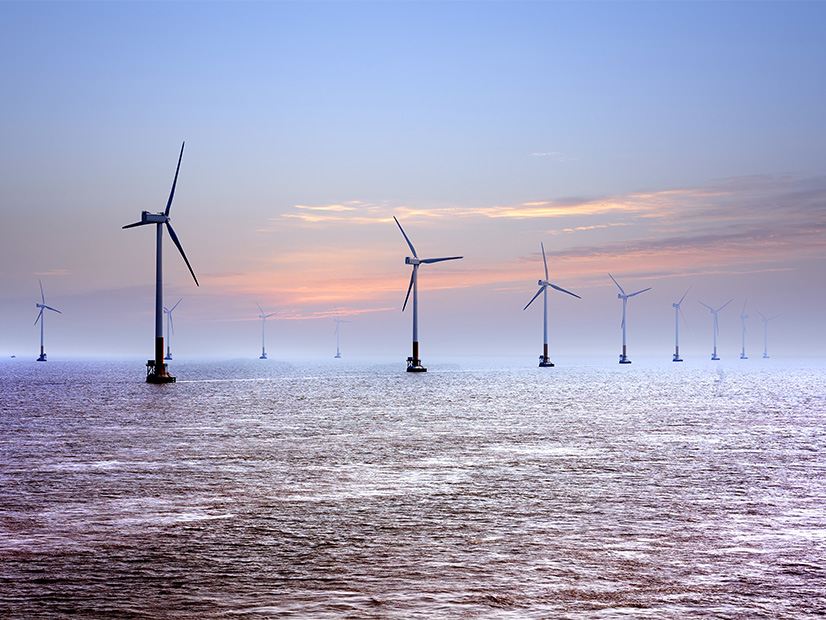
Shutterstock
Massachusetts regulators have rejected developers’ requests to pause the review of their power purchase agreements for two planned offshore wind projects.
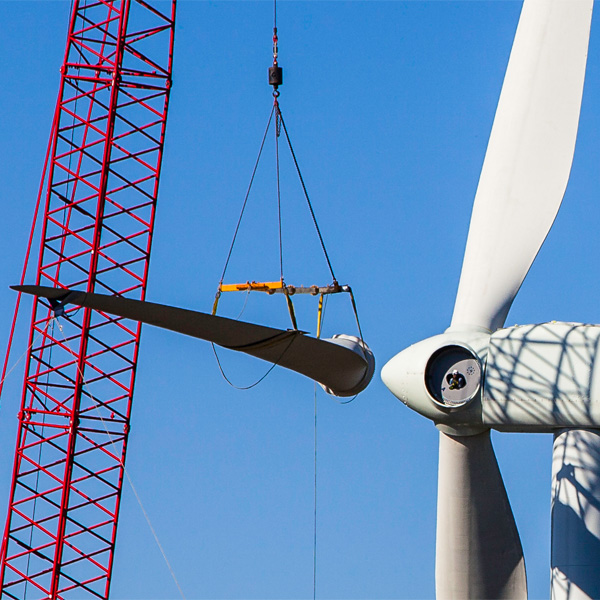
Avangrid
Avangrid declared the Commonwealth Wind project is no longer financially viable, potentially delaying the effort to site wind power off Massachusetts' coast.
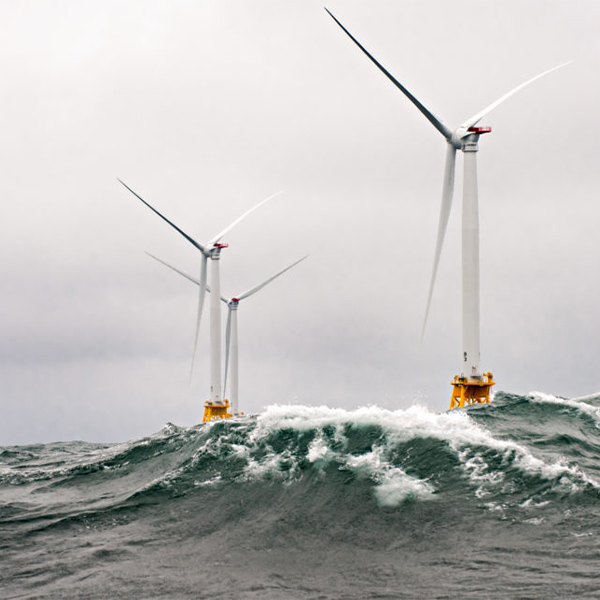
NREL
California will need about 1,300 floating wind turbines and a range of supporting seaports to meet its ambitious offshore wind goals.

© RTO Insider LLC
PJM and the NJBPU are considering how to avoid "free riders" in future uses of the RTO’s State Agreement Approach for public policy upgrades.
Shutterstock
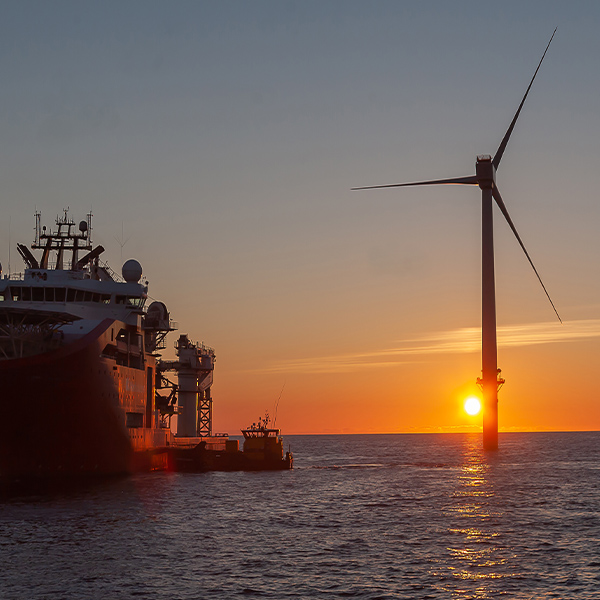
Dominion filed a settlement agreement proposing an alternative to the performance requirement ordered by the SCC for the Coastal Virginia Offshore Wind project.
Shutterstock
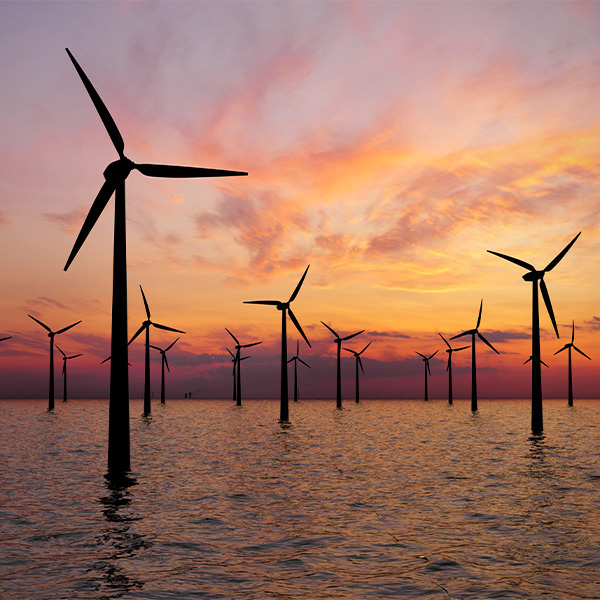
Public Service Enterprise Group is mulling whether to remain a 25% partner with Ørsted in the Danish developer’s Ocean Wind 1 project in New Jersey.
PJM
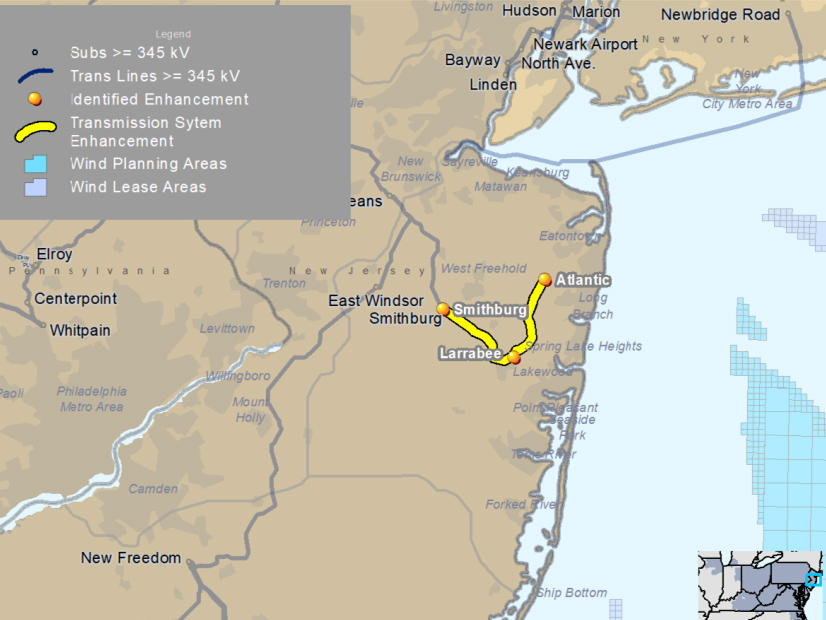
New Jersey regulators voted to spend $1.07 billion on transmission upgrades to deliver 6,400 MW of offshore wind generation to the PJM grid.
Principle Power
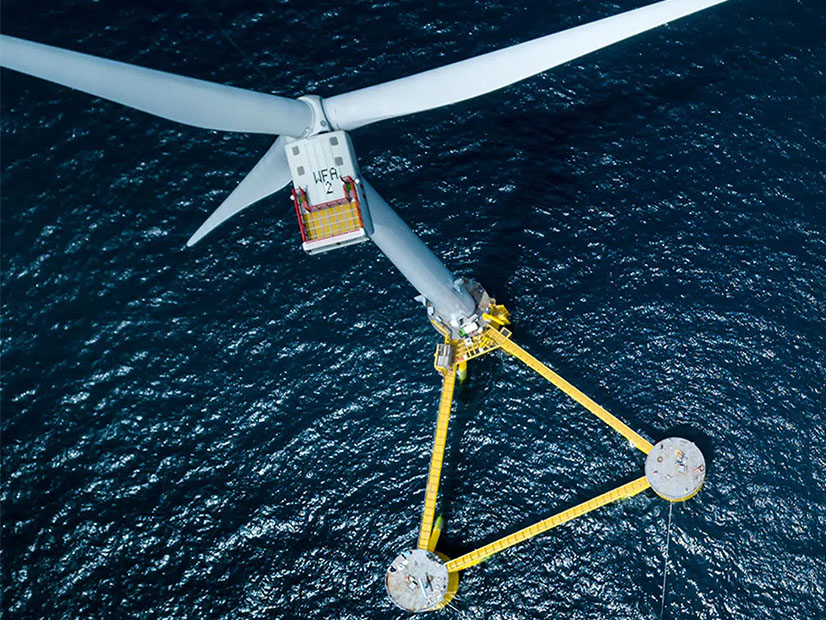
BOEM plans to hold the West Coast's first offshore wind auction Dec. 6, a major milestone in developing the first floating wind platforms in the U.S.
NREL
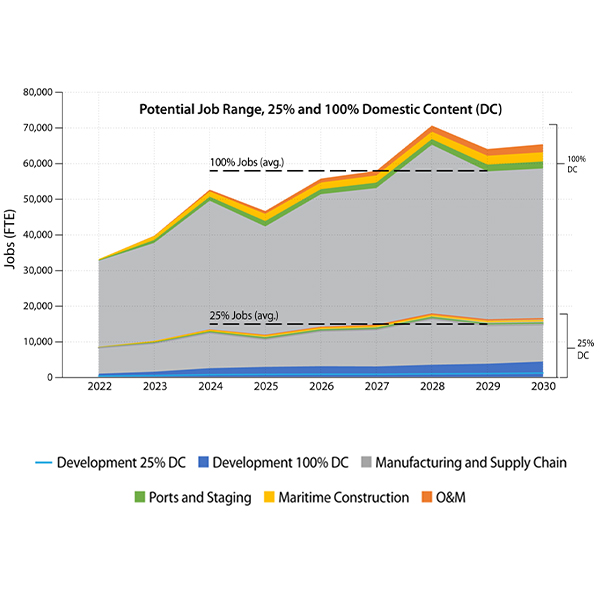
The U.S. needs up to 58,000 full-time workers to meet the Biden administration’s goal of building 30 GW of offshore wind by 2030, NREL study says.
Want more? Advanced Search