
Renewable Power
Community solarHydropowerOffshore Wind PowerOnshore Wind PowerSolar PowerRooftop solarUtility scale solar
Shutterstock
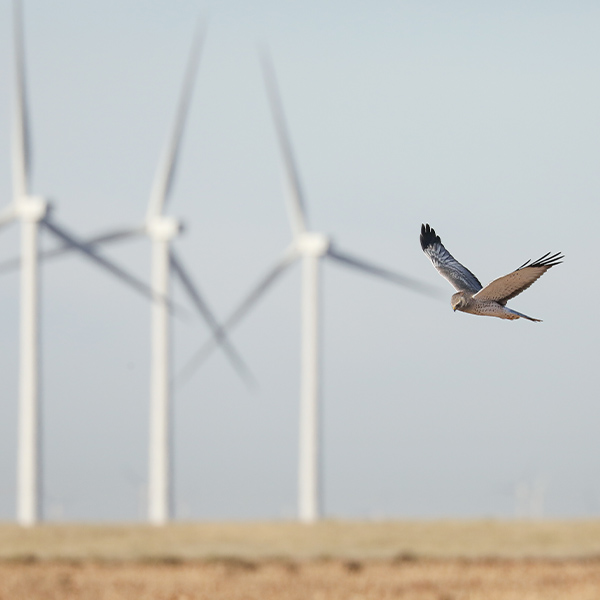
The Department of the Interior on July 29 announced a four-pronged review that continues the president’s efforts to limit some types of renewable energy.
NYPA
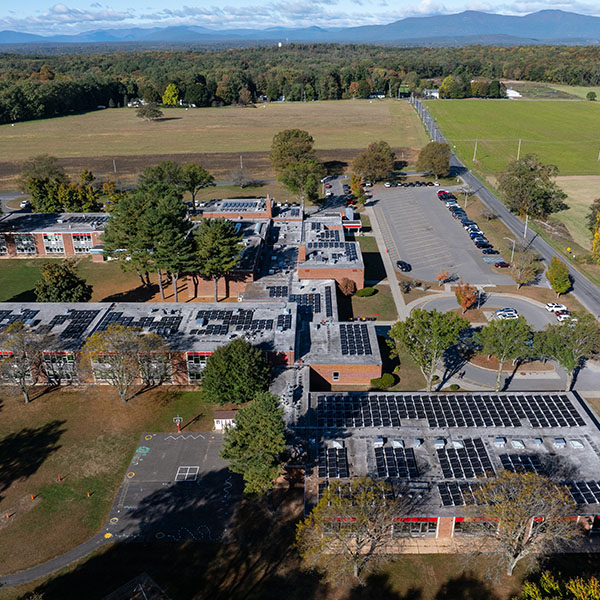
The New York Power Authority has stepped up its renewable energy development efforts, offering a draft revision of its strategic plan that would more than double proposals to 6.8 GW.
DTE
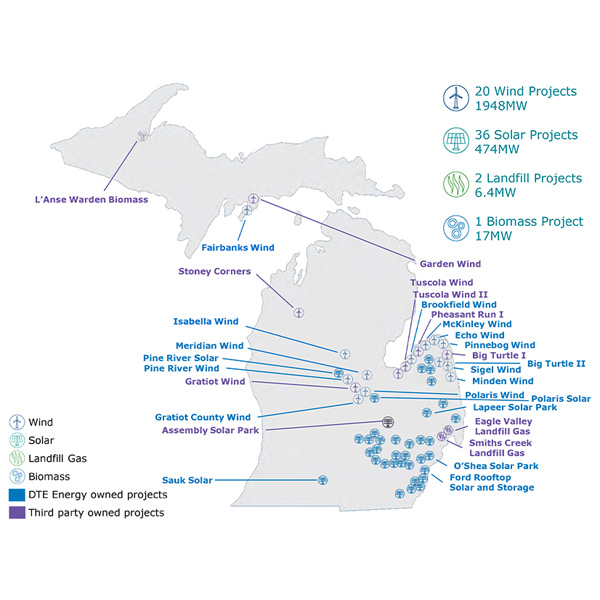
DTE Energy reported it is in various stages of discussion to supply as much as 7 GW to new data centers and is on track to reach agreement on the first project by the end of 2025.

Clean Economy Tracker
Announced cancellations, closures and cutbacks in new manufacturing and clean energy projects in the first half of 2025 were valued at $22.1 billion by the business policy group E2.
Vineyard Wind
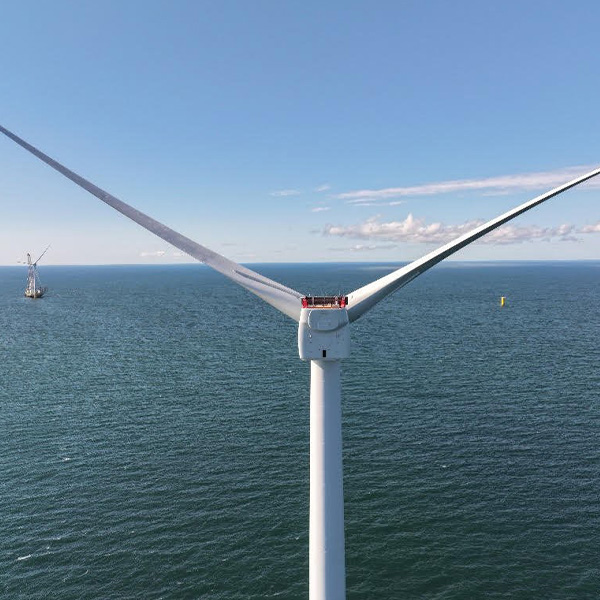
The expedited phaseout of federal tax incentives for renewables threatens projects and jobs across the clean energy industry in New England.
Equinor
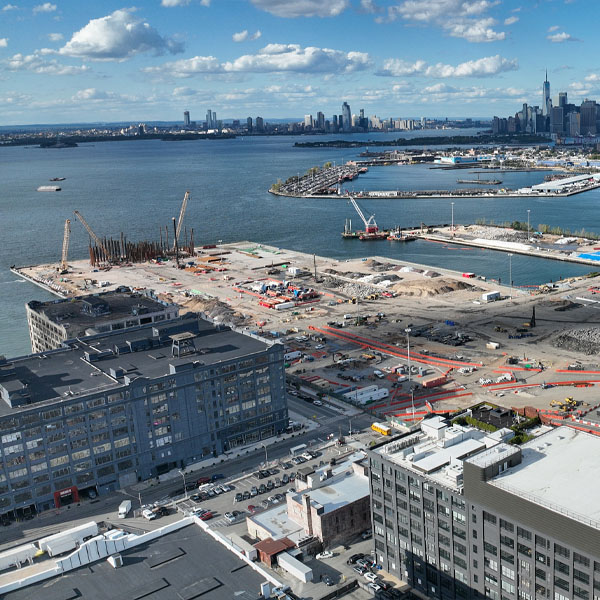
Equinor is taking a nearly $1 billion impairment on its U.S. offshore wind development efforts, blaming the Trump administration’s anti-wind power crusade for the impact.
Shutterstock
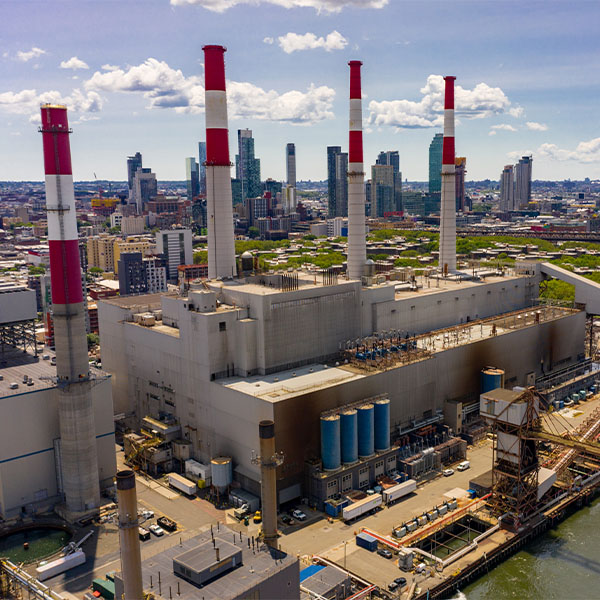
As it updates its energy to reflect new challenges to decarbonization, New York is contemplating what until recently seemed improbable: new fossil-fired generation.
NextEra Energy
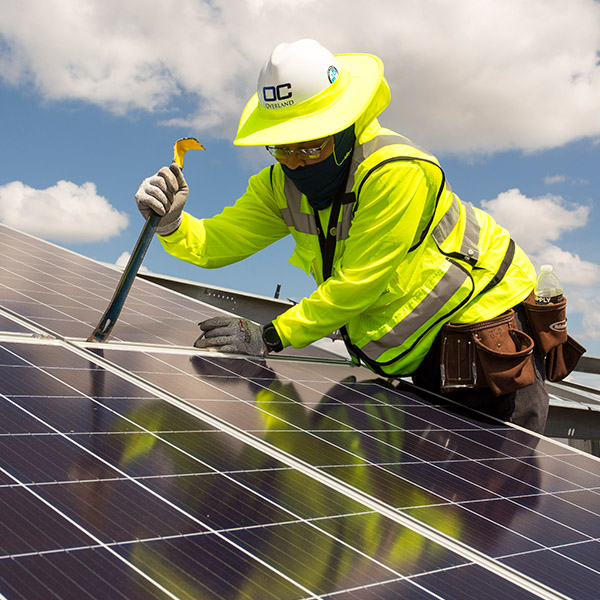
NextEra Energy continues to present renewables as a bridge to the grid of future and fashions itself as an "all-of-the-above company" in an optimal position to build that bridge.
GE Vernova
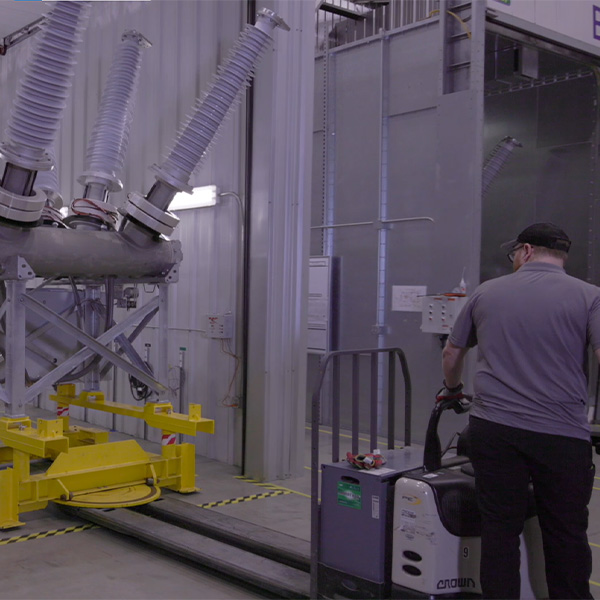
GE Vernova’s gas power and electrification businesses continue to surge amid growing power demand.
The Brattle Group
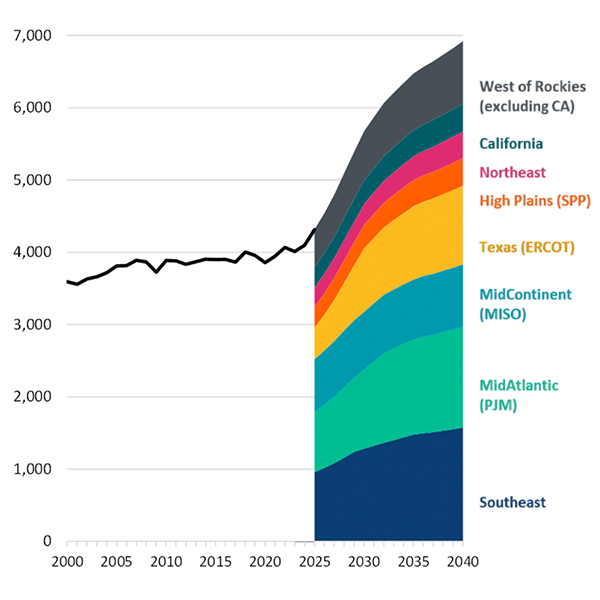
A CATF report argues that planners need to use demand-side resources, grid-enhancing technologies and other quick-to-deploy resources as part of a "least-regrets" effort to meet growing demand.
Want more? Advanced Search
