
Utility scale solar
NextEra Energy
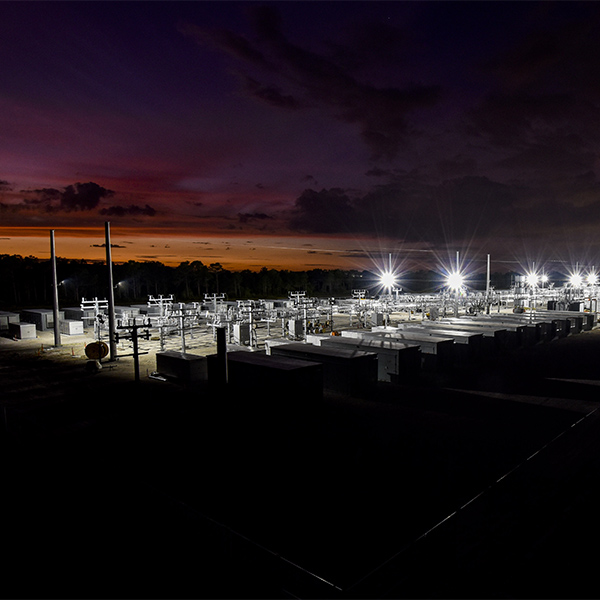
Data center agreements with Google totaling 860 MW brought the NextEra Energy Resources backlog to 22.6 GW, even as it placed more than 1.6 GW into service in the second quarter.
Black Rock Solar
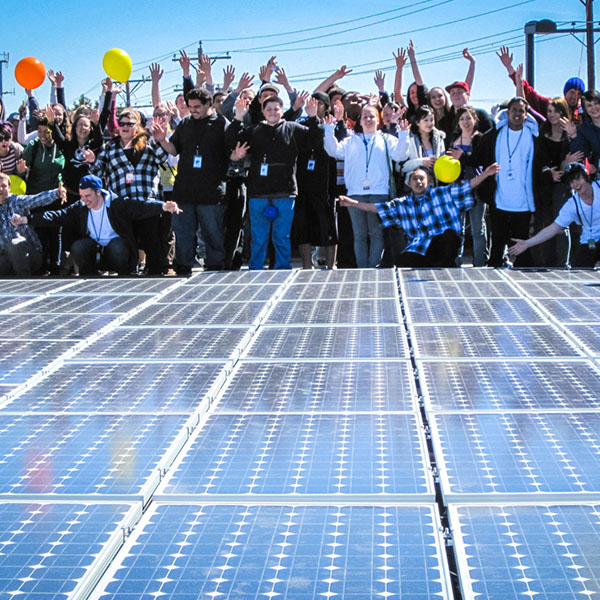
The California Assembly Utilities and Energy Committee advanced two new bills that could accelerate the state’s decarbonization goals by helping residents and multimeter customers transition to renewable energy.
Shutterstock
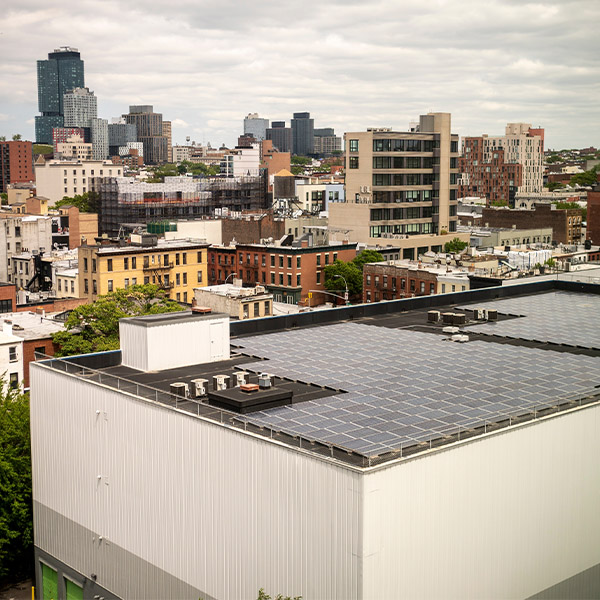
The architects of New York’s clean energy transition are predicting the state will fall short of its 70%-by-2030 renewable energy target, perhaps far short, and are suggesting ways to catch up in the early 2030s.

© RTO Insider LLC
New Jersey’s Senate Environment and Energy Committee passed a bill supporters said would allow grid-scale solar projects of up to 20 MW to bypass PJM’s interconnection queue and connect to the grid through their local utility.
Shutterstock
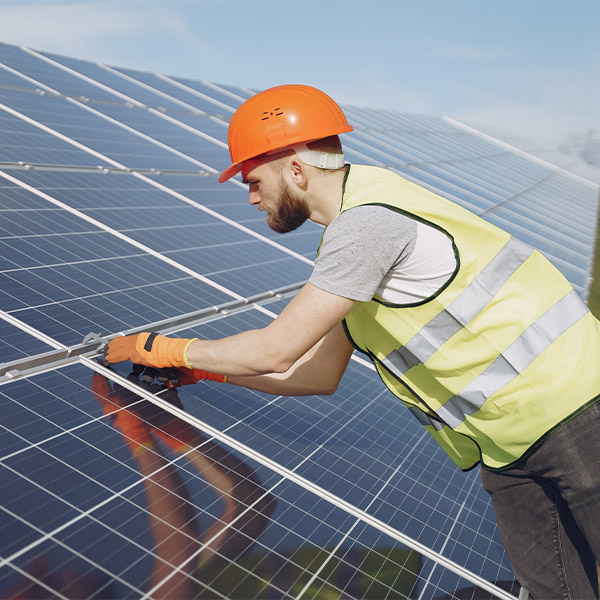
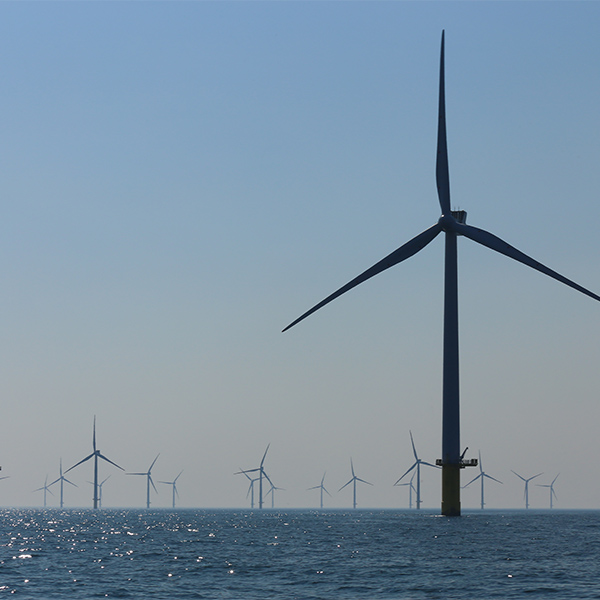
New York has launched its eighth large-scale renewable energy solicitation, seeking proposals for land-based projects to help the state meet its emission-reduction goals.
Shutterstock
Clean energy supporters argue the next New Jersey energy master plan should be an aggressive and broad embrace of electrification and generate enough money to help pay for clean energy projects and protect ratepayers.
ACP
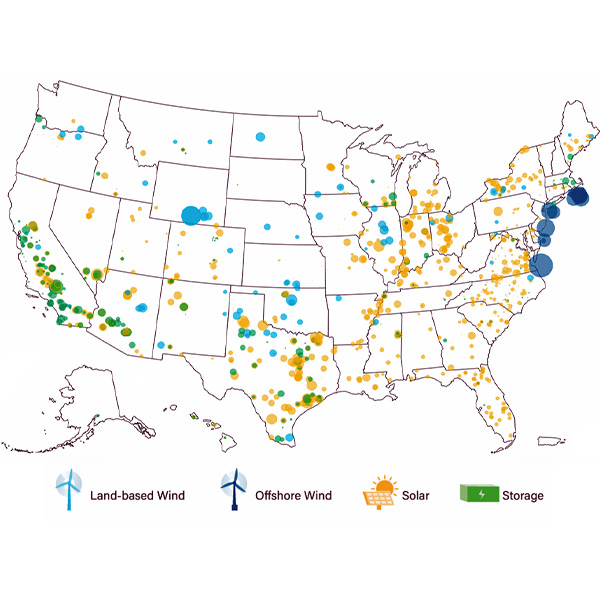
Nearly 5.6 GW of new solar, wind and storage capacity was added in the United States in the first quarter of 2024, the American Clean Power Association reported.
Eversource
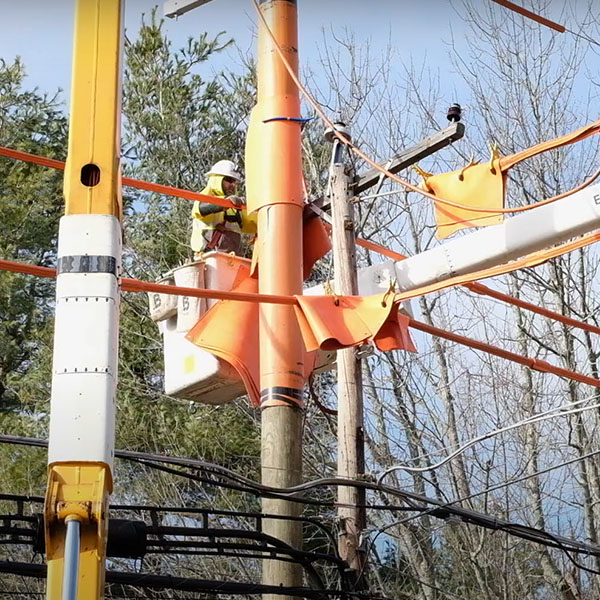
Eversource announced plans to reduce its investments in Connecticut by about $500 million over the next five years because of the “negative regulatory environment” at the Public Utilities Regulatory Authority.

Bureau of Land Management
The New Jersey Board of Public Utilities approved eight solar projects in its second solicitation for grid-scale projects, nine months after declining to support any bids in the first solicitation due to cost.
DOE
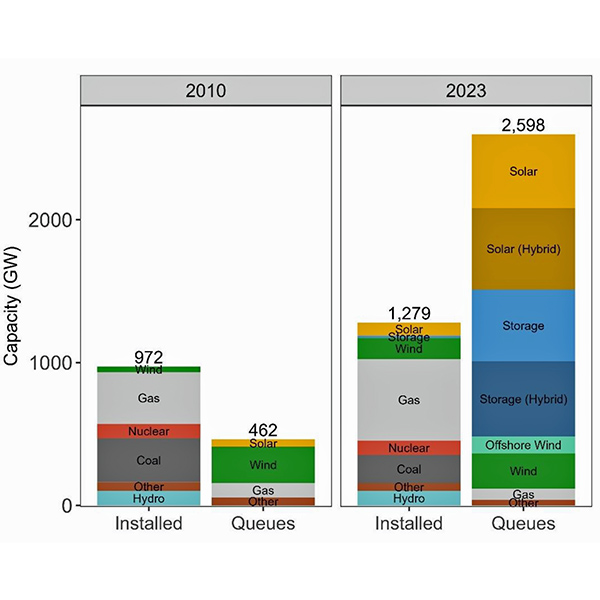
The DOE issued a roadmap to speed interconnection of new clean energy generation projects to the grid and clear the backlog of proposed renewable energy projects waiting in the queue.
Want more? Advanced Search