Transportation Decarbonization
Airplane DecarbonizationEV chargersHeavy-duty vehiclesBattery Electric Buses (BEB)Fuel Cell Electric Buses (FCEB)Light-duty vehiclesBattery Electric VehiclesFuel Cell VehiclesPlug-in hybrid electric vehiclesShip electrificationClean Ports
Tucson Electric Power
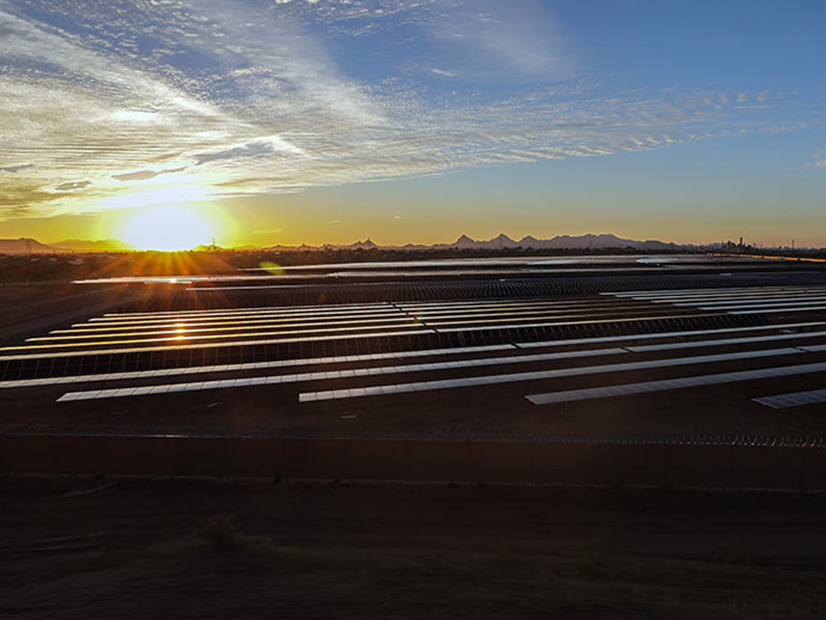
Arizona regulators have repealed the renewable energy standard for electric utilities in the state, saying it's time for renewables to "stand on their own two feet."
PBS
EPA has rescinded its 2009 finding that greenhouse gases are air pollutants that endanger public health and thus require regulation under the Clean Air Act.
California Energy Commission
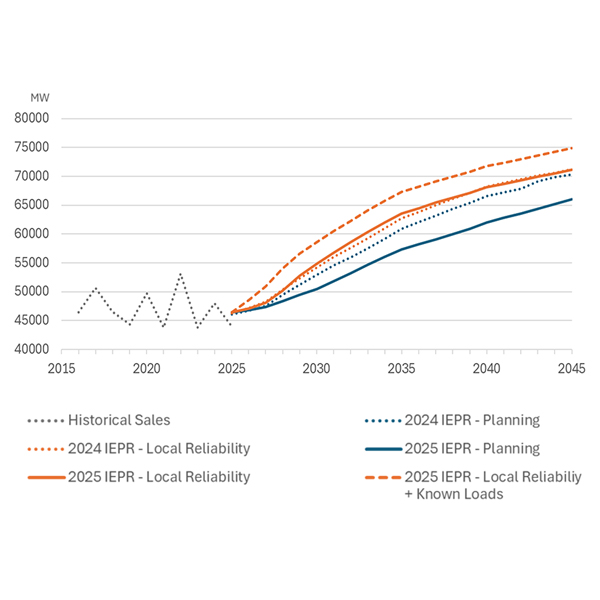
The California Energy Commission signed off on a forecast showing the state's electricity consumption could surge by as much as 61% over the next 20 years, mostly from increased EV adoption.
Rhodium Group
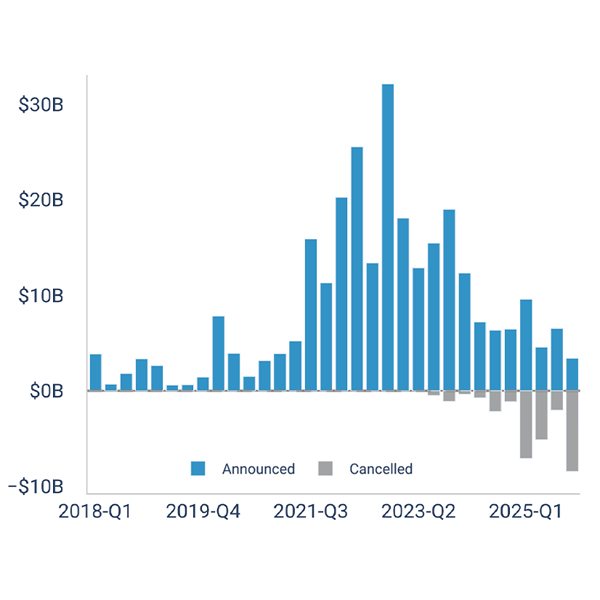
In late 2025, U.S. cleantech manufacturing investment cancellations reached their highest level of any quarter in the eight years a database has been tracking such announcements.
Brattle
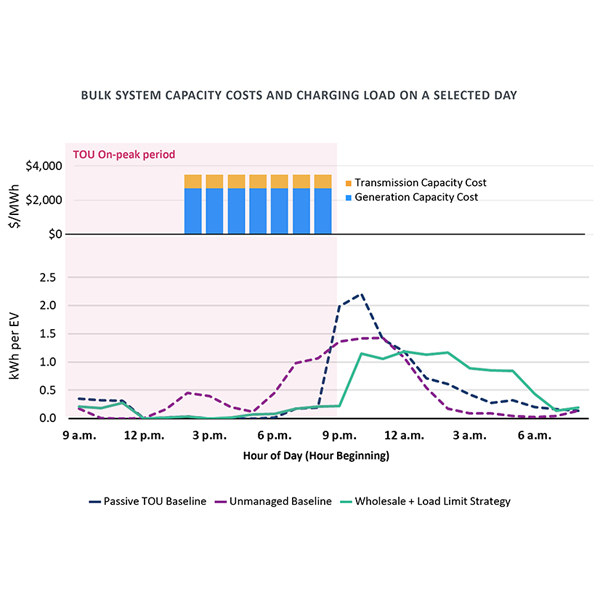
EnergyHub and Brattle Group released a study based on a real-world test of different strategies for managing charges on distribution circuits, which found significant benefits from managed charging once EVs become more common in a neighborhood.
Flo Charging Stations
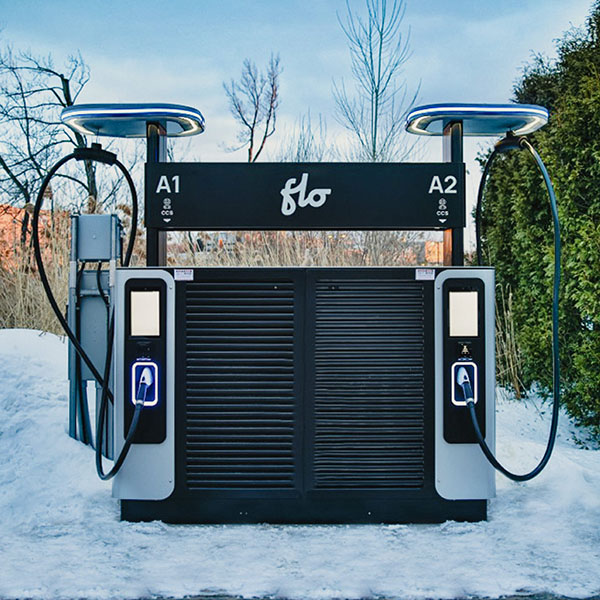
Sixteen states and the District of Columbia sued the Trump administration in an effort to recover billions of dollars in funding for EV charging infrastructure.
EVgo
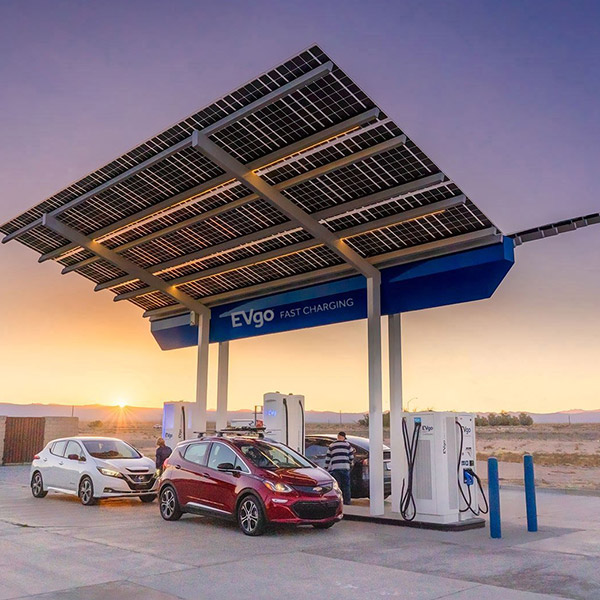
The California Energy Commission granted about $15 million to private companies to install more than 100 electric vehicle fast chargers in the Golden State.
New Jersey Energy Master Plan
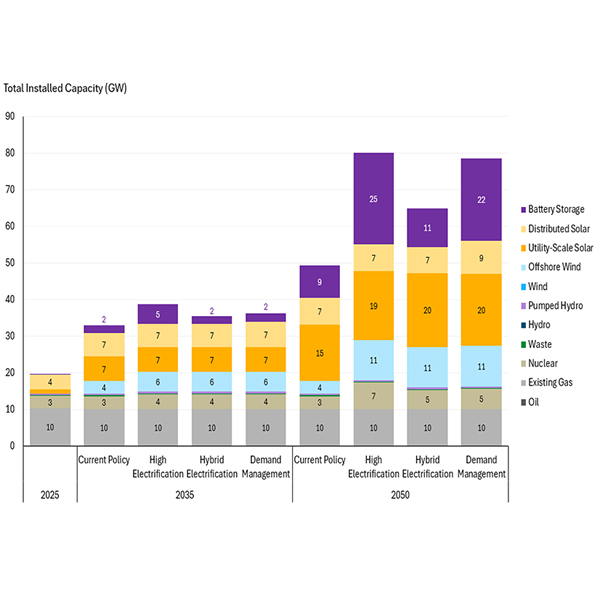
New Jersey should continue to pursue a strategy of heavy reliance on clean energy to head off the state’s looming energy shortage, with no increase in natural gas generation, says outgoing Gov. Phil Murphy.
IEA
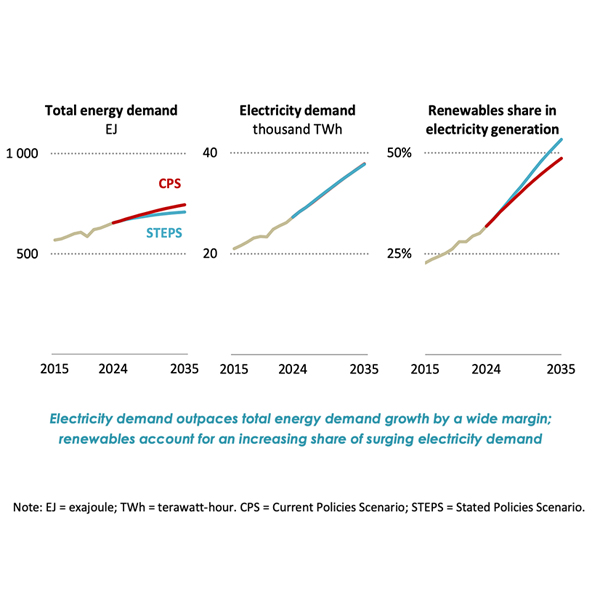
IEA released its 2025 World Energy Outlook, which shows the growing importance of electricity as residents start to adopt air conditioning and data centers and other large loads drive demand growth in rich countries.

Government of Ontario
IESO is considering ways to grow Ontario’s economy and secure its energy supply without relying on trade with its U.S. neighbors, just as President Donald Trump launched another salvo in his ongoing trade war on Canada.
Want more? Advanced Search