Battery Electric Vehicles
Shutterstock
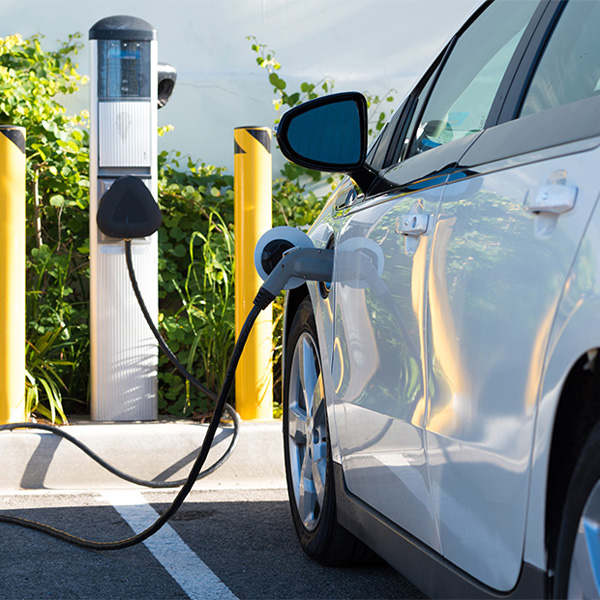
New Jersey’s plan to adopt California’s Advanced Clean Cars II (ACCII) rules should be abandoned, a coalition of 100 business groups said in a letter to legislative leaders.
Atlas Public Policy/SACE
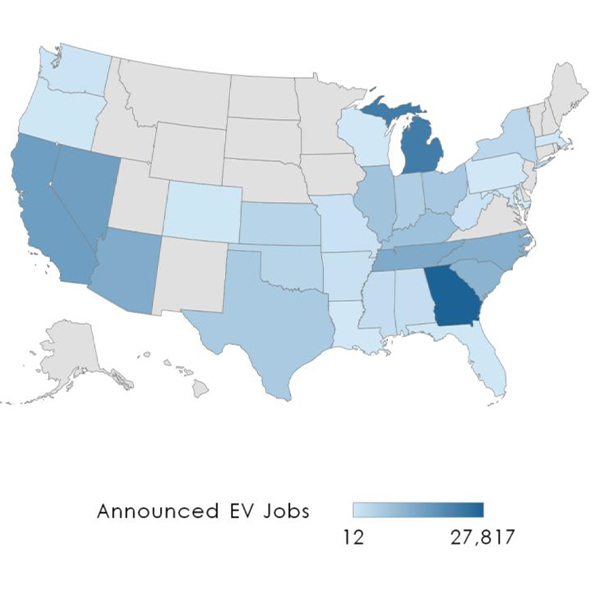
The Southeast Alliance for Clean Energy's report found that despite being responsible for 40% of all new investments in EV manufacturing, sales in the Southeast range from only 2.5% to 7% of vehicle sales, below the national average.
Shutterstock
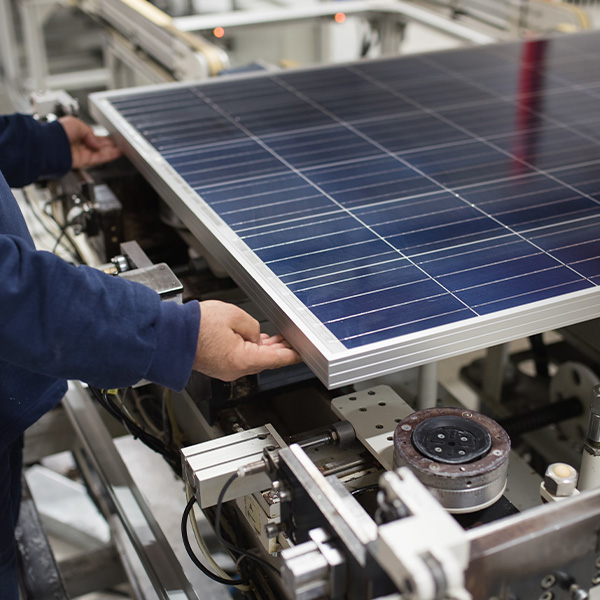
Starting in 2024, consumers buying an electric vehicle that qualifies for a $7,500 tax credit under the Inflation Reduction Act.
CEC and NREL
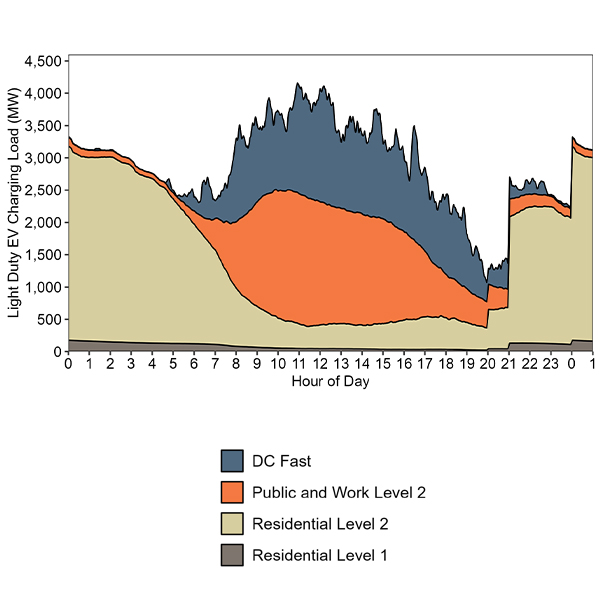
California will need to double its public EV charging infrastructure between 2030 and 2035, according to a new report by the state's Energy Commission.
Duke Energy
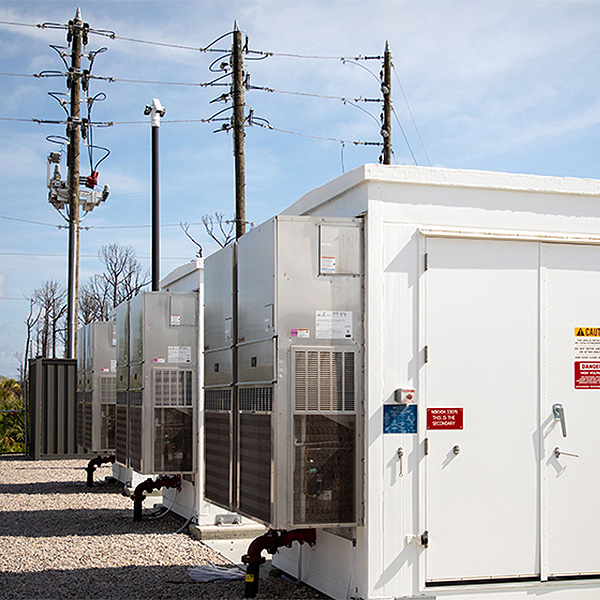
Duke Energy Progress and North Carolina Eastern Municipal Power Agency filed a settlement with FERC regarding the latter using batteries to shave its peak demand.
PA DOT
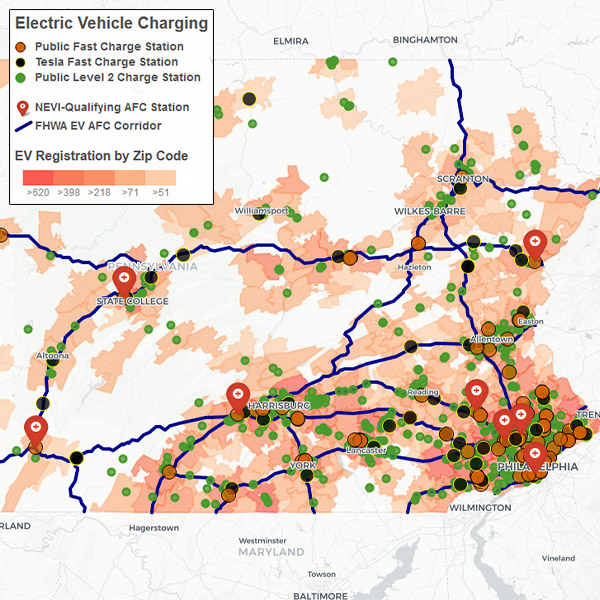
Pennsylvania announced an investment of federal funds totaling $33.8 million to install 54 EV charging projects as the state seeks to put more EVs on state roads.
Shutterstock
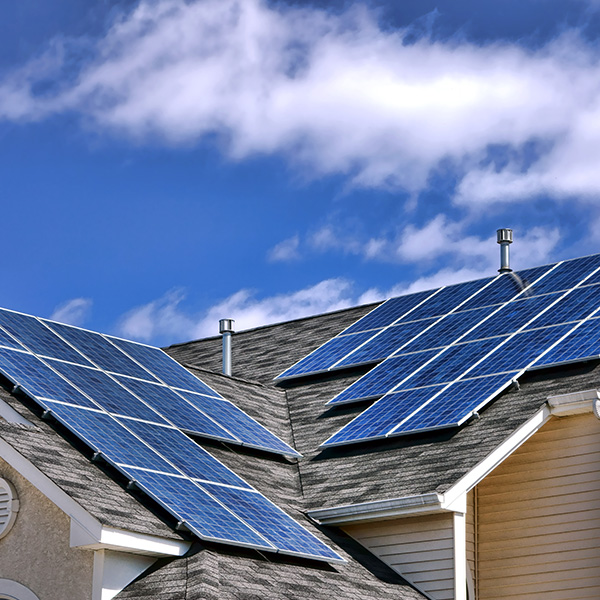
Even after a series of public hearings on New Jersey's proposed storage incentive program, debate remains over whether utilities should be allowed to own storage projects.
Shutterstock
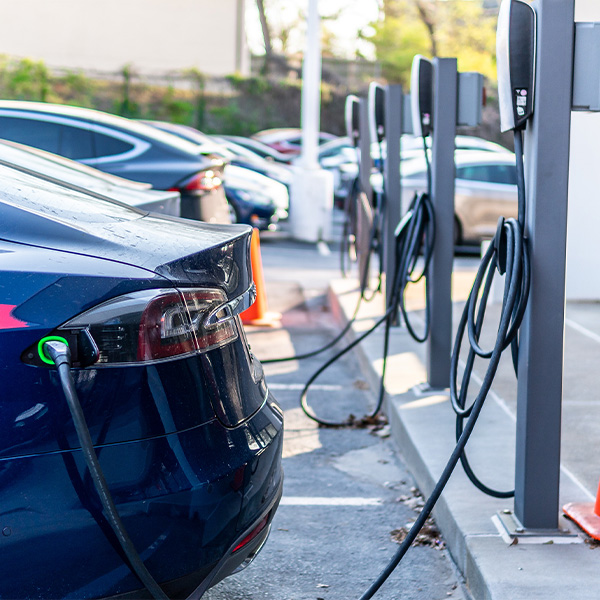
North Carolina regulators approved a new, voluntary electric vehicle charging program where Duke Energy will rent and maintain chargers for its customers.
EPRI
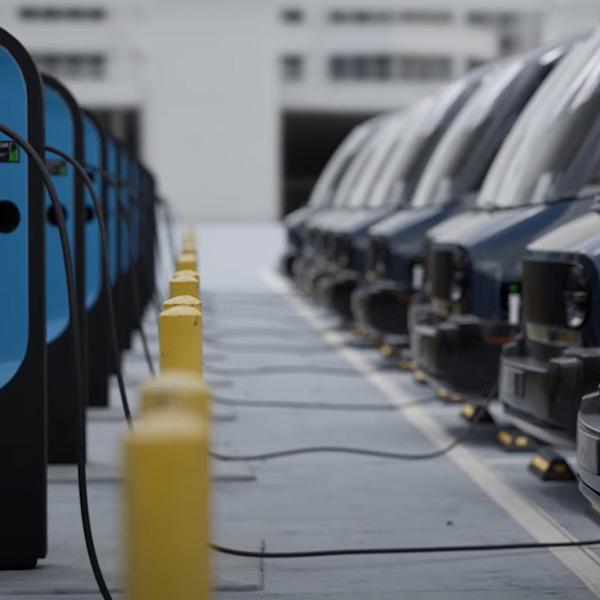
Transportation electrification is driving unprecedented levels of cross-industry collaboration as automakers, utilities, regulators and policymakers look ahead to how they will reach a growing list of ambitious goals.
WZZM13
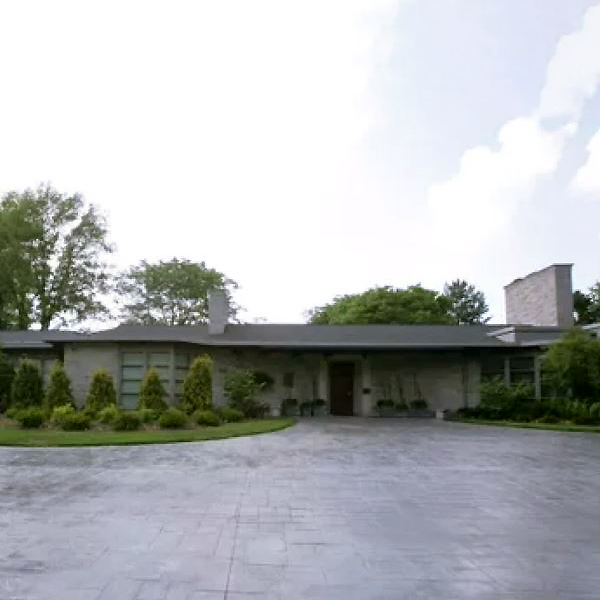
Gov. Gretchen Whitmer’s effort to install two electric vehicle chargers at the state’s Executive Residence have gotten caught up in a controversy over a driveway project at the house.
Want more? Advanced Search