
Light-duty vehicles
Hawaii Department of Transportation
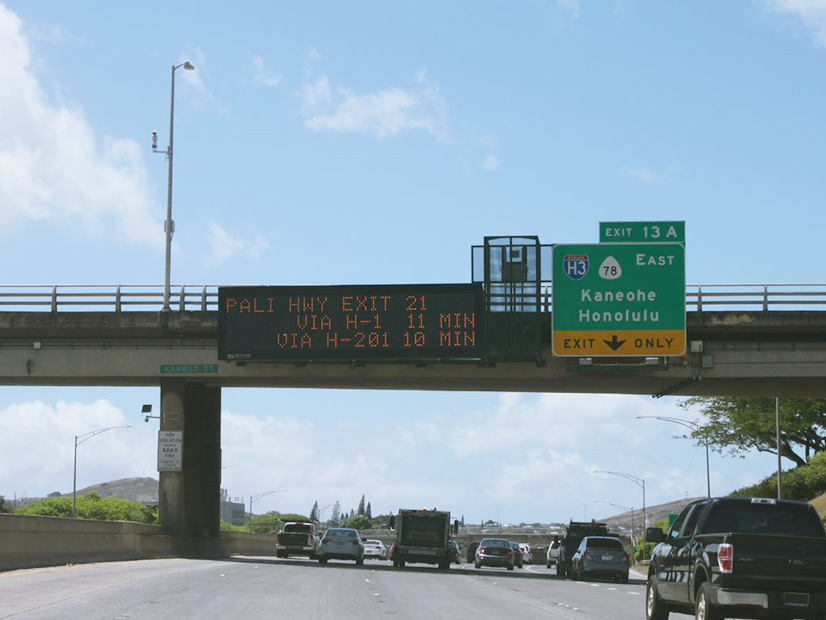
The Hawaii State Energy Office is partnering with the Dept. of Health to give away $2.1 million in rebates to incentivize diesel vehicle owners to go electric.
Shutterstock
Distributed energy resources, electrification and just wholesale compensation for both dominated two panels during the virtual North America Smart Energy Week.
Charlie Walker, CC BY-SA-2.0, via Wikimedia
At Gov. Dan McKee’s request, Rhode Island’s climate council will move from quarterly to monthly meetings.
ElectReon Wireless
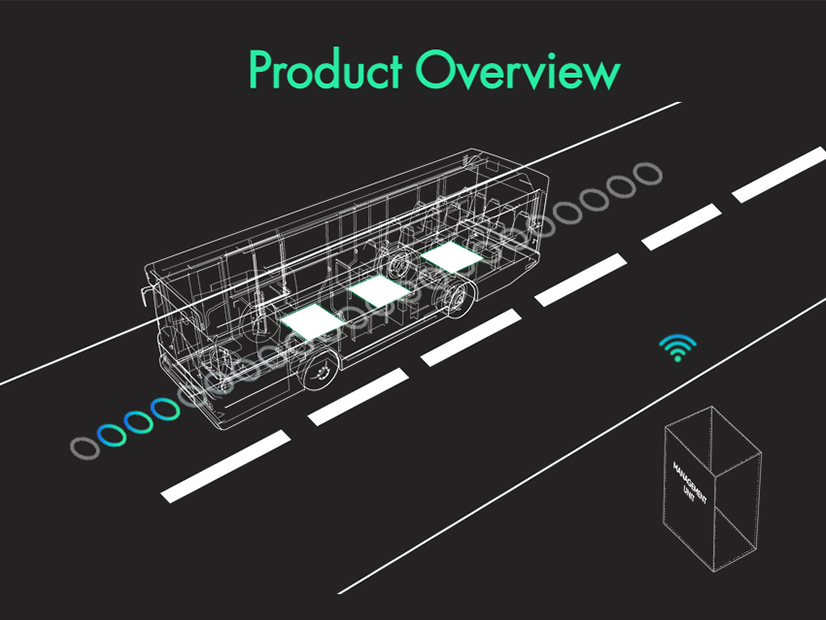
Consumers Energy, Michigan’s largest investor-owned utility, is starting a rebate program to encourage EV owners to charge their vehicles overnight at home.
Shutterstock
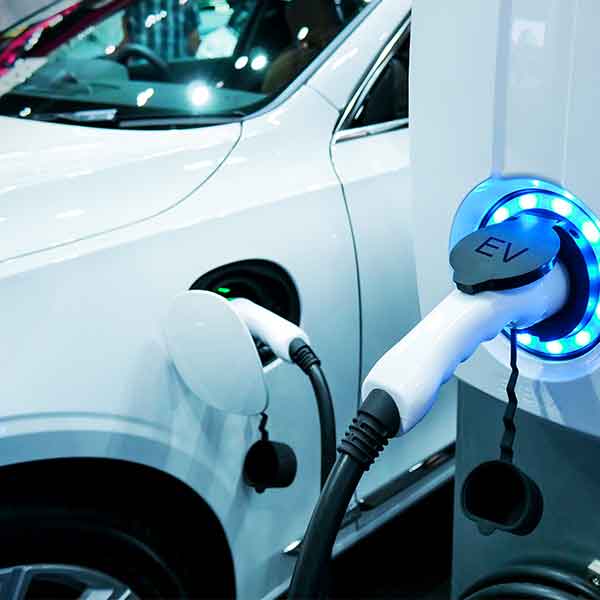
Top incentive would drop from $5,000 to $2,500 for EVs priced up to $45,000 as state aims to target consumers who might not buy an EV without the rebate.
NYSERDA
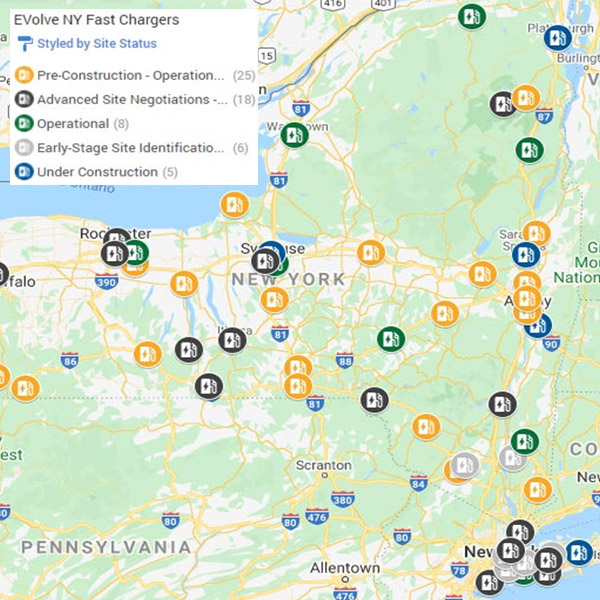
The growing adoption of EVs is changing how consumers look at transportation and forcing automakers and policymakers to think beyond automotive design.
New Jersey Turnpike Authority
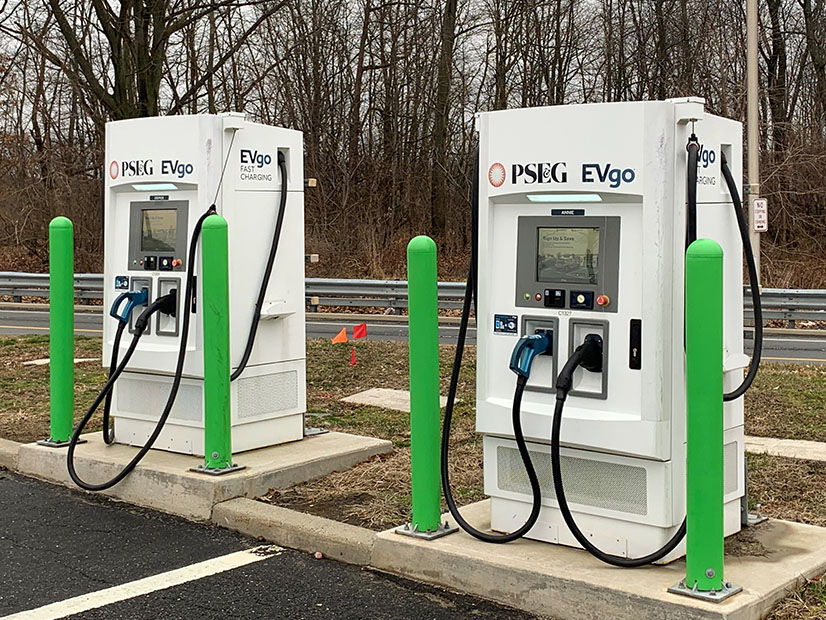
New Jersey is launching a $4 million campaign to promote the availability of electric vehicle chargers and tourism to popular state landmarks.
Travel Nevada
Visitors to Nevada would be able to recharge their electric vehicles at iconic destinations as part of a proposed transportation electrification plan.
Shutterstock
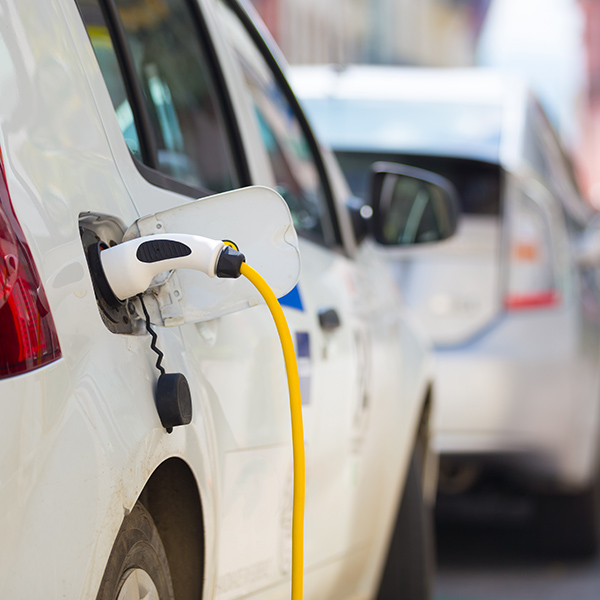
A group of policy experts and consumer advocates want Eversource and National Grid to consider providing deeper incentives for off-peak EV charging.
Portland General Electric
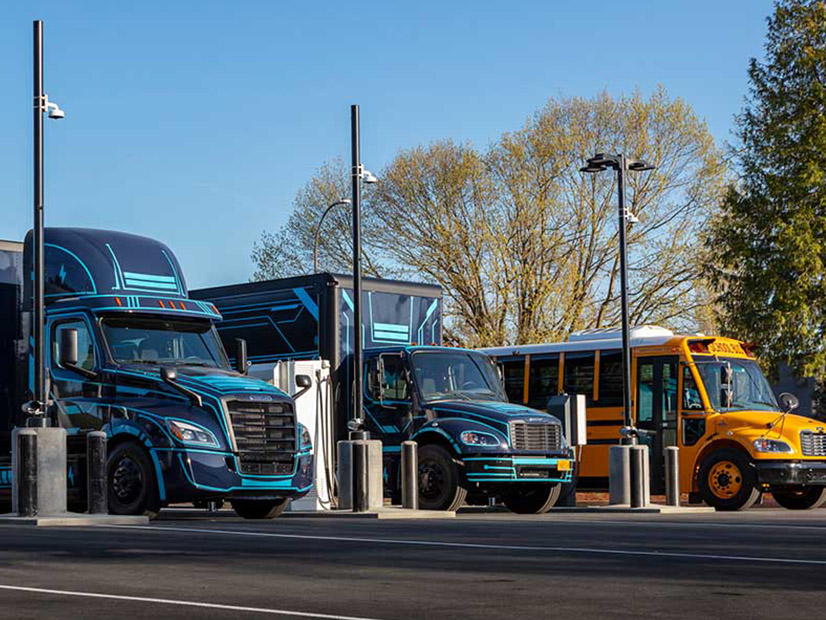
Oregon should move swiftly to adopt California’s stringent emissions rules for trucks, testifiers at a public hearing hosted by the state’s Department of Environmental Quality said.
Want more? Advanced Search
