Transportation Decarbonization
Airplane DecarbonizationEV chargersHeavy-duty vehiclesBattery Electric Buses (BEB)Fuel Cell Electric Buses (FCEB)Light-duty vehiclesBattery Electric VehiclesFuel Cell VehiclesPlug-in hybrid electric vehiclesShip electrificationClean Ports

Joint Office of Energy and Transportation
A newly published strategy aims to speed up the development of a national network of electric charging and hydrogen filling facilities for freight trucks.
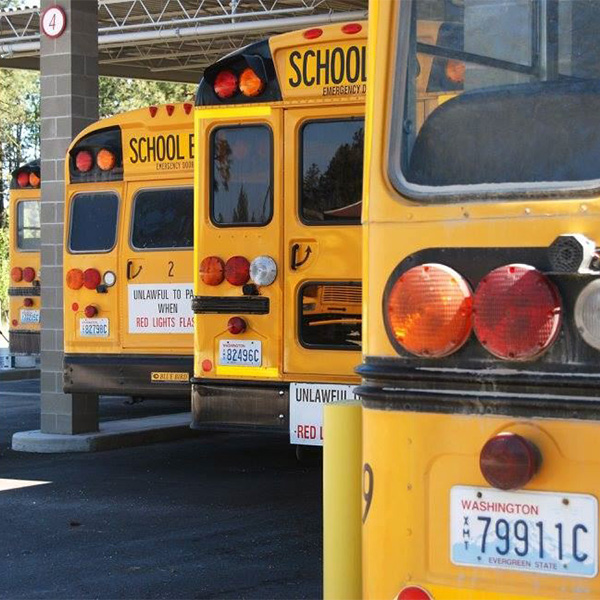
Valley School District
Washington is poised to start phasing in electric school buses after lawmakers approved a bill directing the Department of Ecology to help school districts convert their existing diesel fleets.
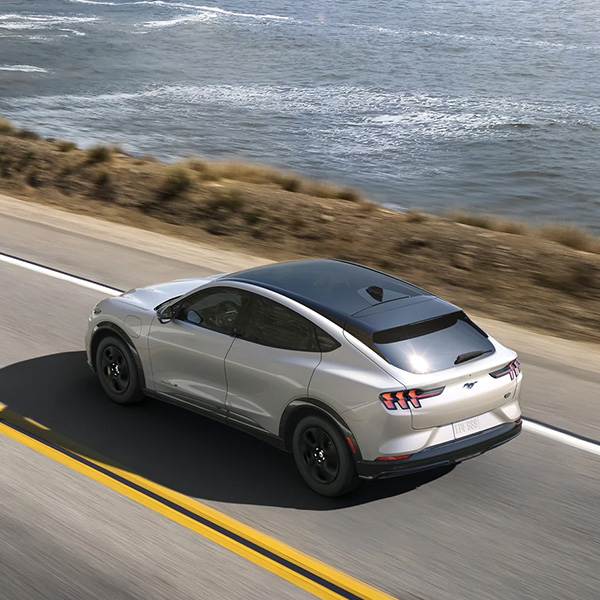
Ford
New Jersey’s Assembly Transportation and Independent Authorities Committee backed a bill that would levy a $250/year fee on EV registration beginning in July.
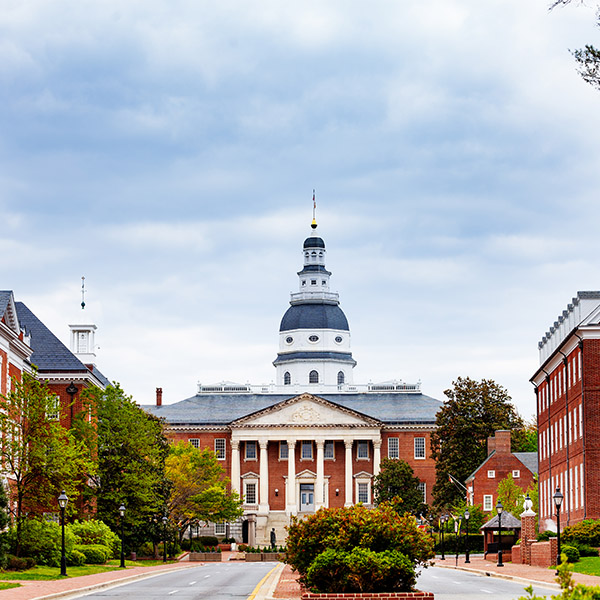
Shutterstock
With Maryland facing rising budget deficits, legislators are focusing on removing barriers to zero-emission technologies, rather than proposing new funding.

Port of Los Angeles
Clean Ports aims to balance the vital role ports play in the economy with the air pollution produced by the diesel-powered trucks, trains and other equipment at these facilities.
BloombergNEF
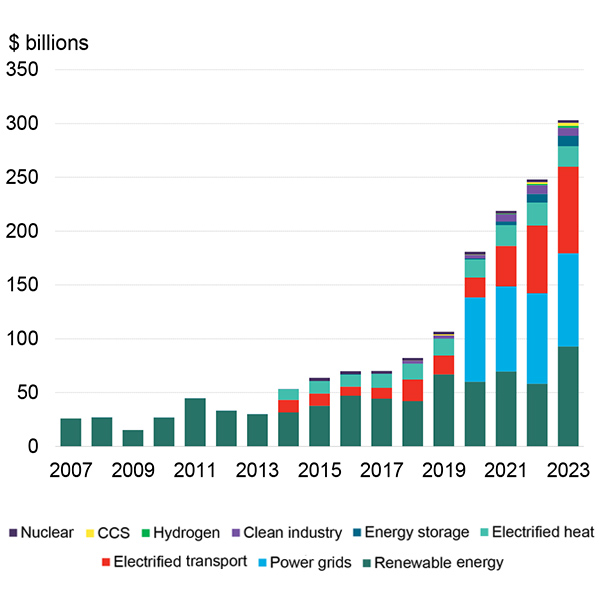
The momentum created by billions of dollars in federal incentives and tax credits has been tempered by supply chain constraints and the impacts of inflation and higher interest rates.
Shutterstock
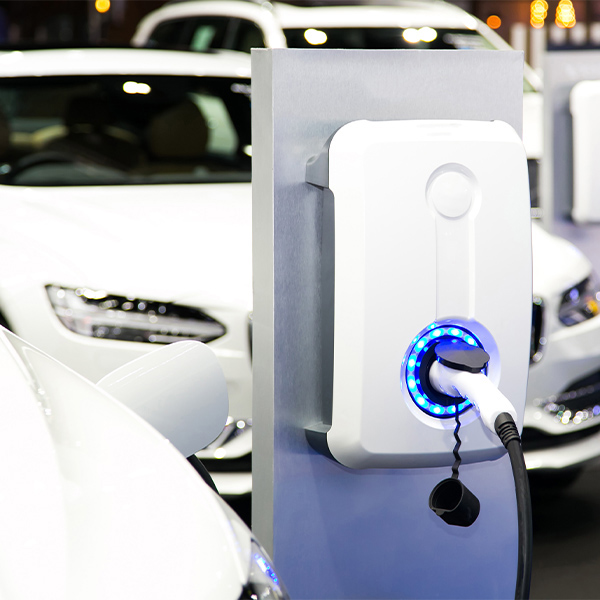
A new report finds that U.S. zero-emission vehicle sales meet industry expectations set upon passage of the IRA but utility-scale clean electricity expansion fall short.
NJ DEP
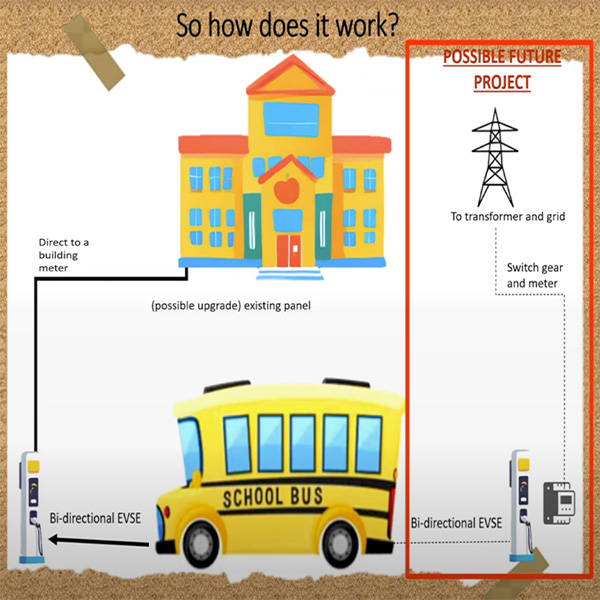
New Jersey does not allow electric buses to send electricity directly to the grid, but a program offers up to $50,000 in additional support for projects that use a “vehicle-to-building” strategy.
California Energy Commission
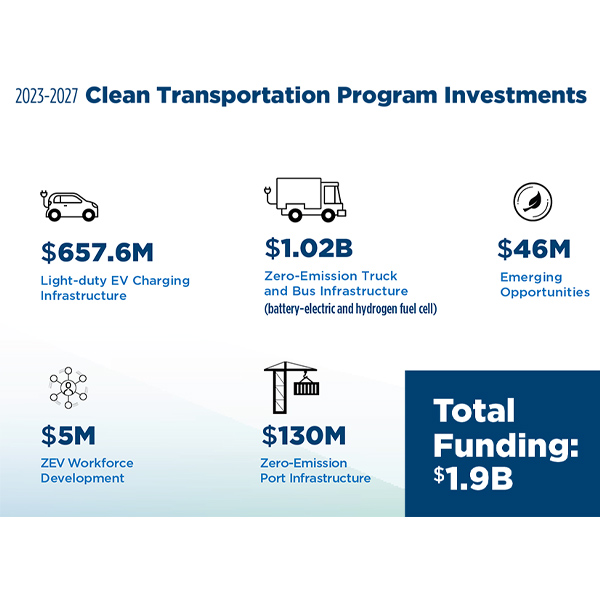
The California Energy Commission approved a plan for spending $1.85 billion over the next four years to expand zero-emission vehicle infrastructure across the state.
Caltrans
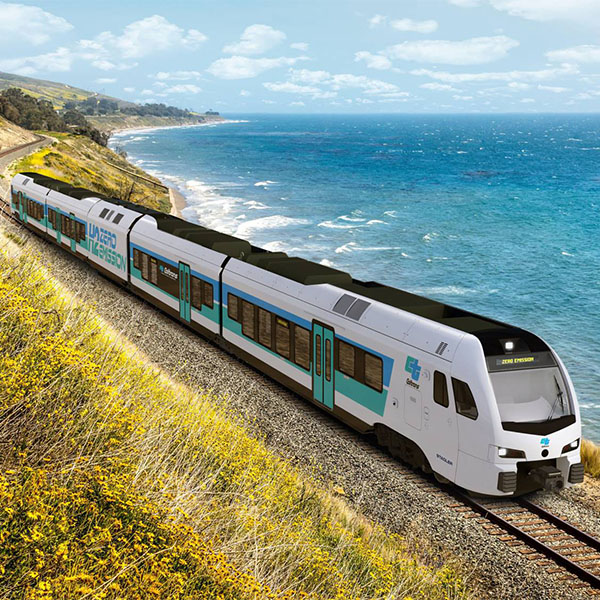
The California agency is buying six hydrogen-powered passenger trains, building on an earlier order of four of the zero-emission vehicles from Stadler Rail.
Want more? Advanced Search