Transportation Decarbonization
Airplane DecarbonizationEV chargersHeavy-duty vehiclesBattery Electric Buses (BEB)Fuel Cell Electric Buses (FCEB)Light-duty vehiclesBattery Electric VehiclesFuel Cell VehiclesPlug-in hybrid electric vehiclesShip electrificationClean Ports

Shutterstock
The funding will put a total 7,500 EV chargers at locations, from multifamily housing developments in New Jersey and Maryland, to public libraries in California to remote villages like Haines, Alaska.
Maryland Department of the Environment
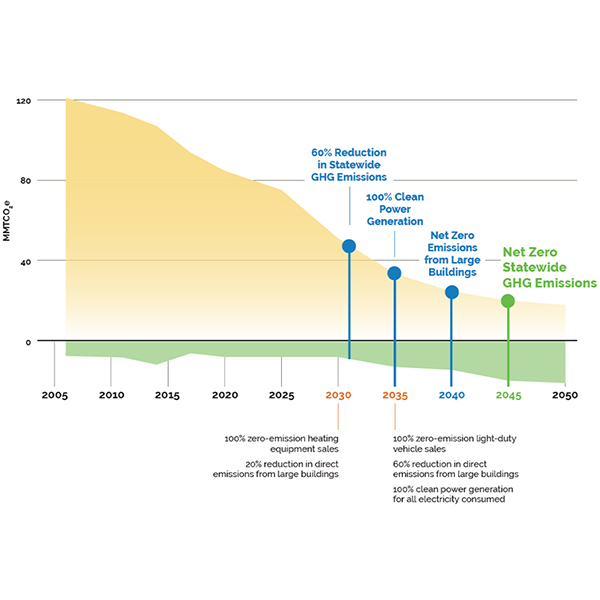
Maryland will have to come up with an extra $1 billion yearly to pay for proposals in its newly released Climate Pollution Reduction Plan.
Shutterstock
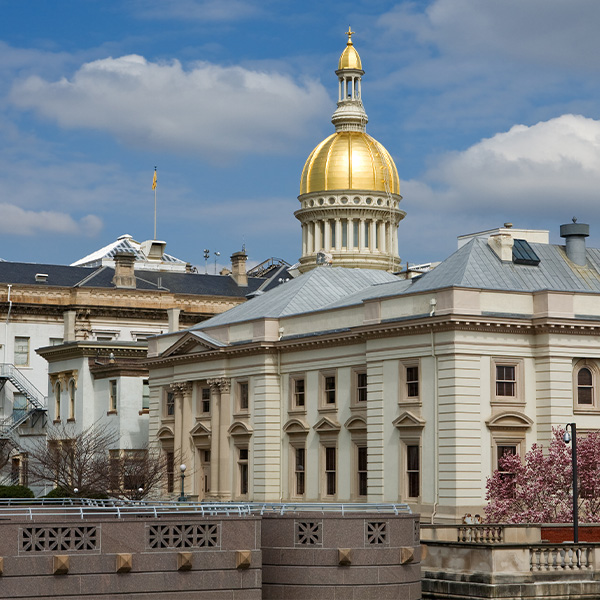
Lawmakers gave final passage to bills to study geothermal heat pump systems, promote electric vehicle charger installation and require status updates of residential solar systems in home sales.

Lion Electric
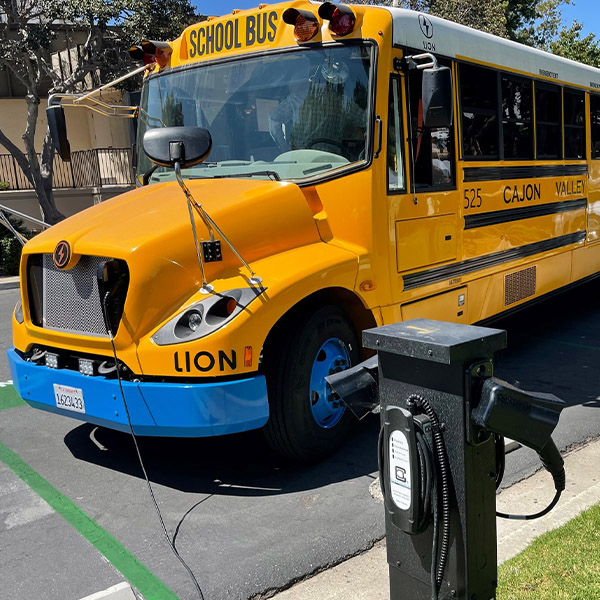
EPA awarded $965 million in grants to purchase almost 2,700 electric school buses, the second funding round in the agency’s $5 billion Clean School Bus Program.
Advanced Solar Products
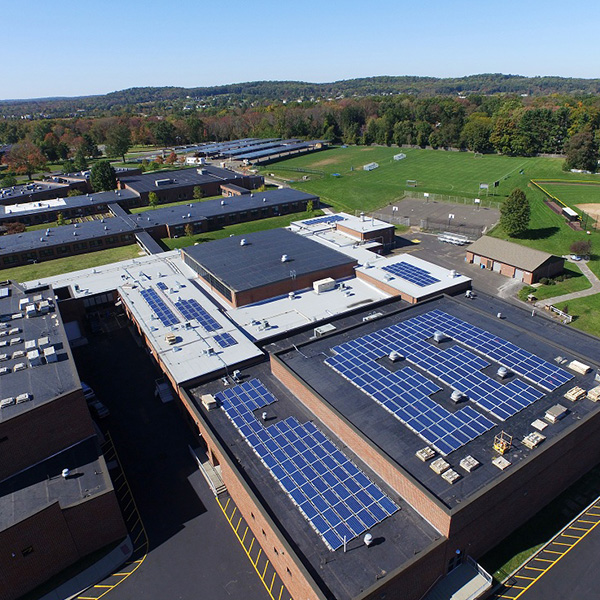
Clean energy in New Jersey moved forward in 2023 with community solar and Advanced Clean Cars II, and in reverse with the shutdown of the Ocean Wind offshore development.
DOE
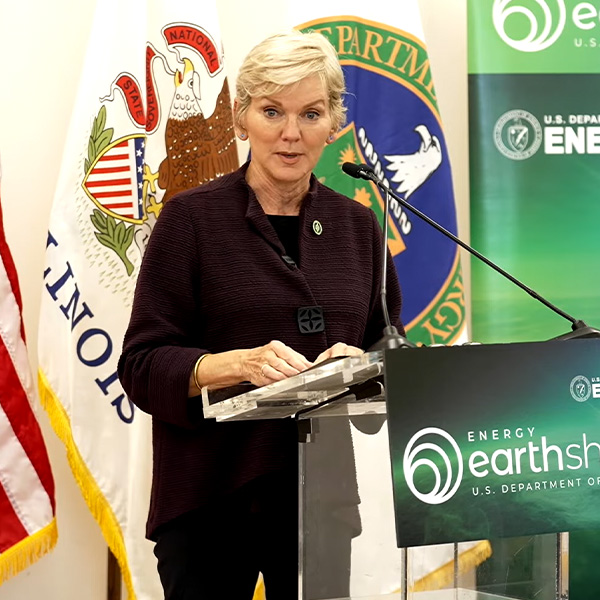
DOE is focused on reshaping the U.S. energy landscape, but officials may have only another year to build the momentum needed to make any potential Republican rollbacks unpopular and unlikely.
Shutterstock
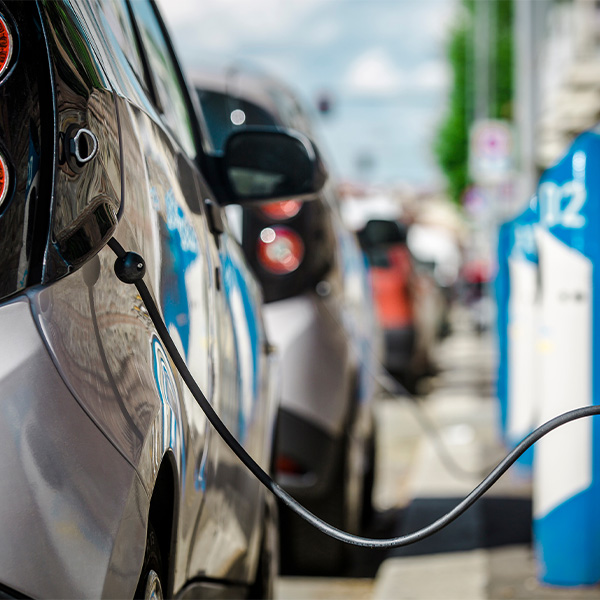
The bill seeks to accelerate the installation of direct current fast chargers by giving commercial charger operators a break on rates.
© RTO Insider LLC
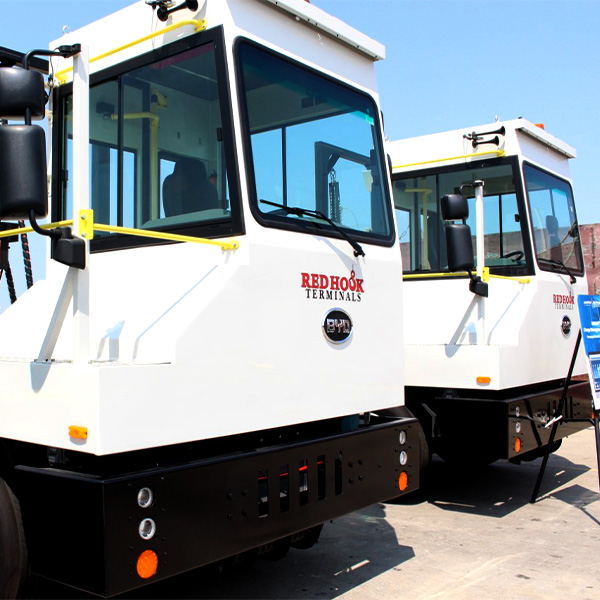
Maryland became the 10th state to adopt the Advanced Clean Trucks rule, which sets targets for the delivery of zero-emissions medium- and heavy-duty vehicles that gradually increase every year.
Shutterstock
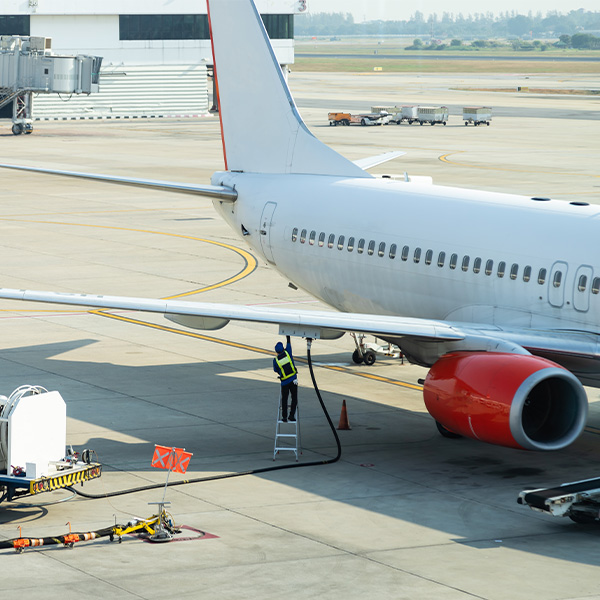
The Treasury Department has released guidance on the tax credit for sustainable aviation fuel that offers incentives to fuel that cuts emissions by at least 50% compared to standard jet fuel.
© RTO Insider LLC
New Jersey would allocate $15 million from the current state budget for the first year of the state’s electric school bus program.
Want more? Advanced Search