Transportation Decarbonization
Airplane DecarbonizationEV chargersHeavy-duty vehiclesBattery Electric Buses (BEB)Fuel Cell Electric Buses (FCEB)Light-duty vehiclesBattery Electric VehiclesFuel Cell VehiclesPlug-in hybrid electric vehiclesShip electrificationClean Ports
Maryland Department of the Environment
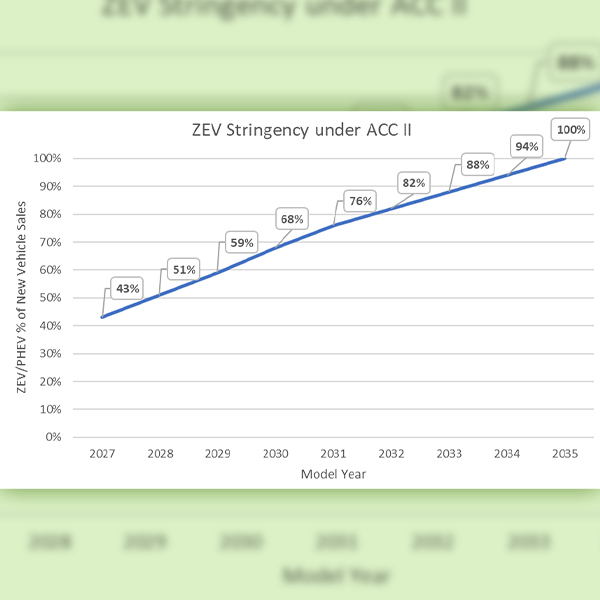
Maryland is the eighth state to adopt the Advanced Clean Cars II rule, which will require all new light-duty vehicles sold in the state to be zero emission by 2035.
© RTO Insider LLC
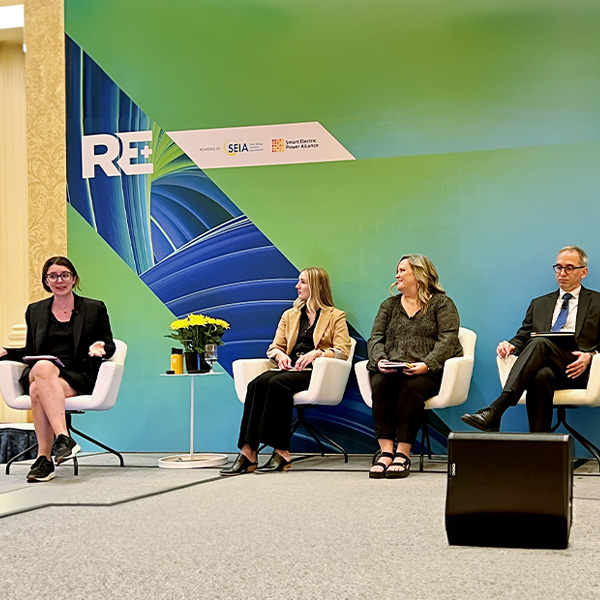
Utilities and customers both benefit when proactive hosting capacity planning is used to get ahead of the rising demand for distributed energy resources, panelists at the RE+ conference in Las Vegas said.
United Nations
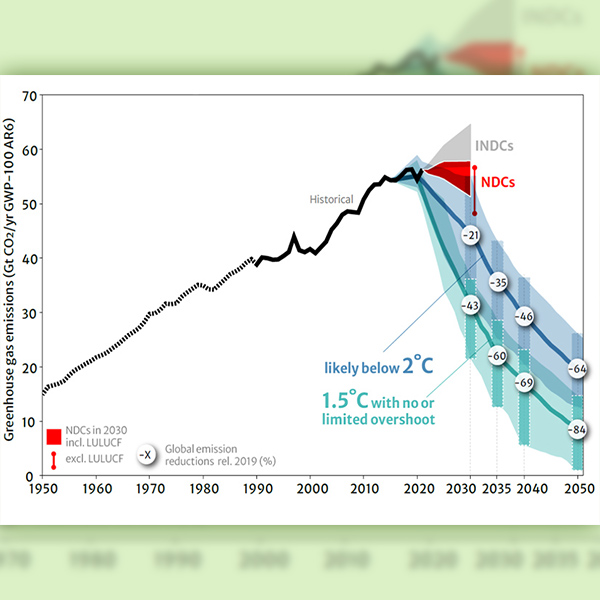
The United Nations' global stocktake report showed that while some steps have been taken on climate change, more work is needed and soon to avoid its worst impacts.
DOE
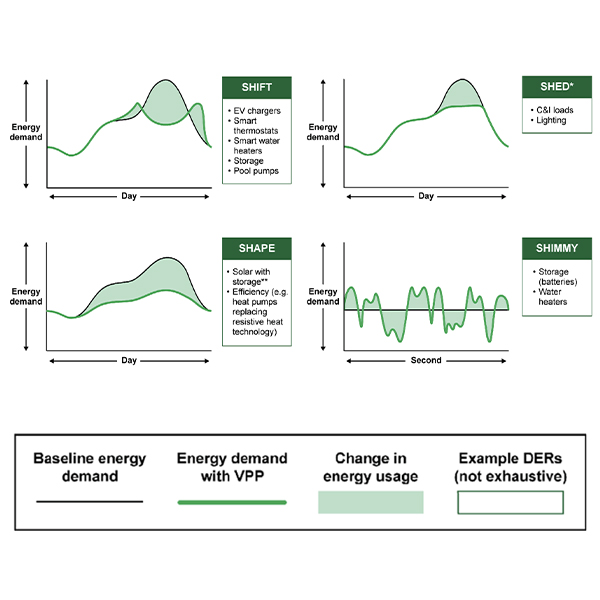
The Department of Energy released a report outlining how to bring more virtual power plants online, which can be a money-saving way of helping to balance the grid and maintain resource adequacy.
Shutterstock
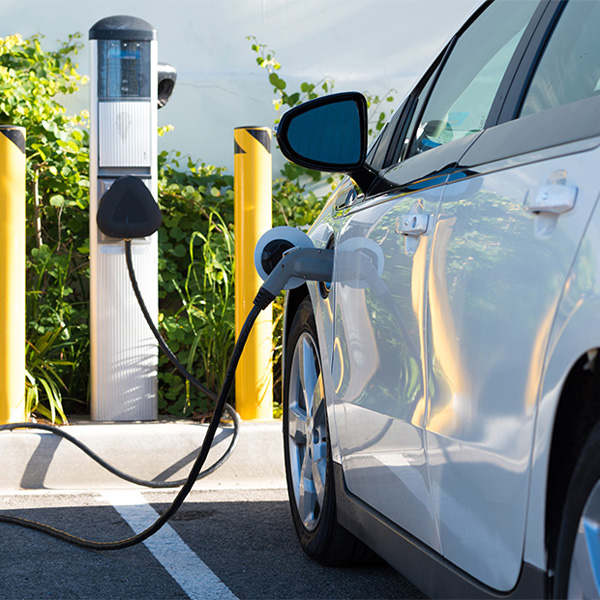
New Jersey’s plan to adopt California’s Advanced Clean Cars II (ACCII) rules should be abandoned, a coalition of 100 business groups said in a letter to legislative leaders.
Atlas Public Policy/SACE
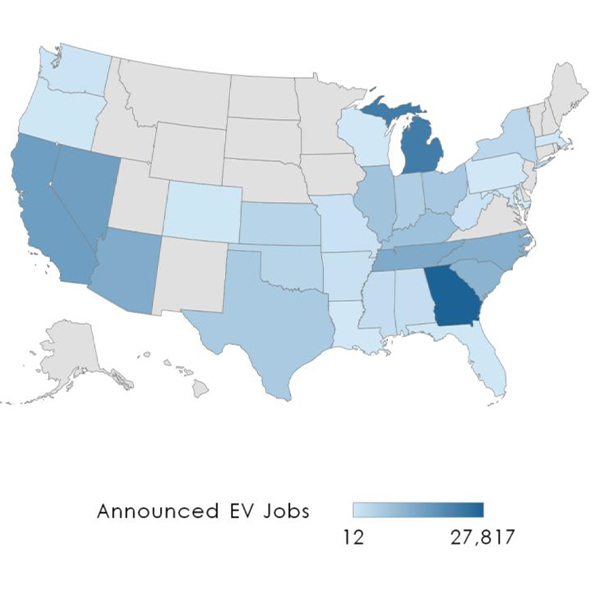
The Southeast Alliance for Clean Energy's report found that despite being responsible for 40% of all new investments in EV manufacturing, sales in the Southeast range from only 2.5% to 7% of vehicle sales, below the national average.
Shutterstock
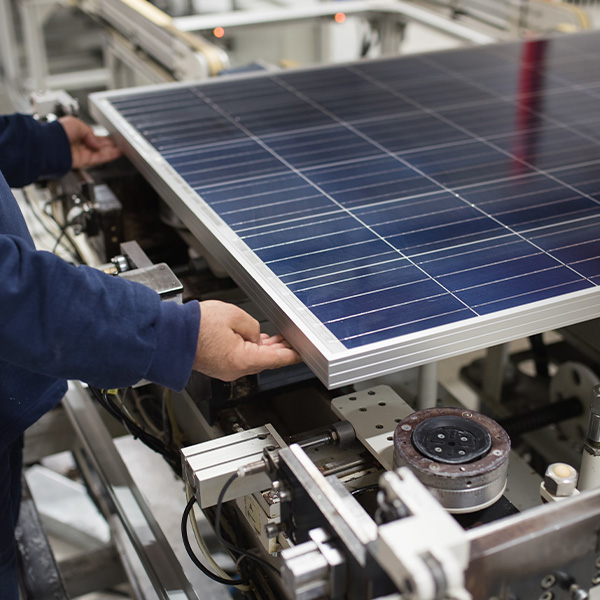
Starting in 2024, consumers buying an electric vehicle that qualifies for a $7,500 tax credit under the Inflation Reduction Act.
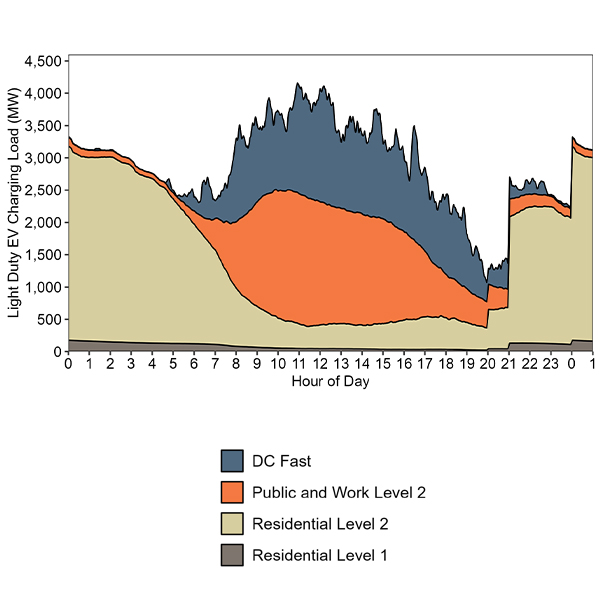
CEC and NREL
California will need to double its public EV charging infrastructure between 2030 and 2035, according to a new report by the state's Energy Commission.
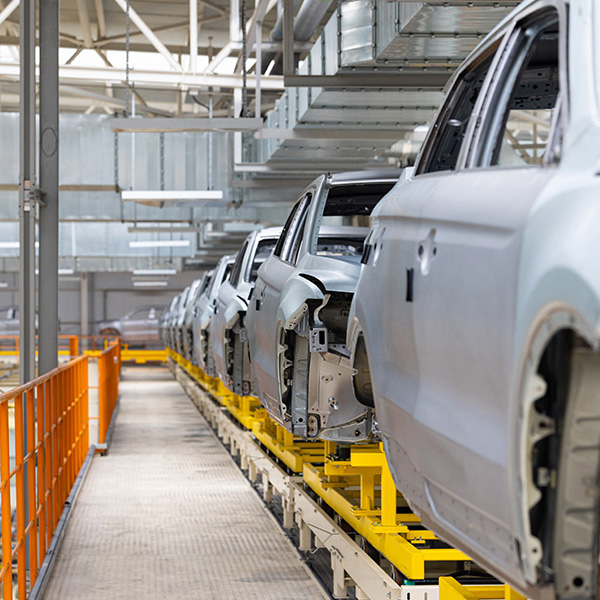
Shutterstock
DOE announced $15.5 billion from several sources that will help American manufacturers retool for EVs, preserving well-paying jobs in the process.
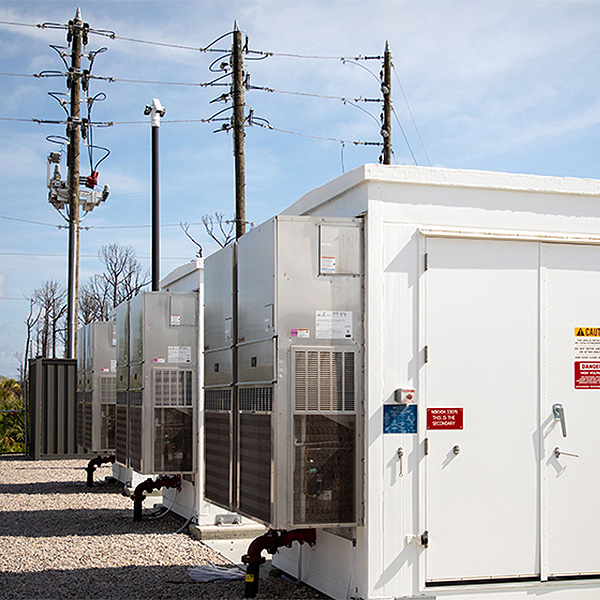
Duke Energy
Duke Energy Progress and North Carolina Eastern Municipal Power Agency filed a settlement with FERC regarding the latter using batteries to shave its peak demand.
Want more? Advanced Search