Transportation Decarbonization
Airplane DecarbonizationEV chargersHeavy-duty vehiclesBattery Electric Buses (BEB)Fuel Cell Electric Buses (FCEB)Light-duty vehiclesBattery Electric VehiclesFuel Cell VehiclesPlug-in hybrid electric vehiclesShip electrificationClean Ports
Shutterstock
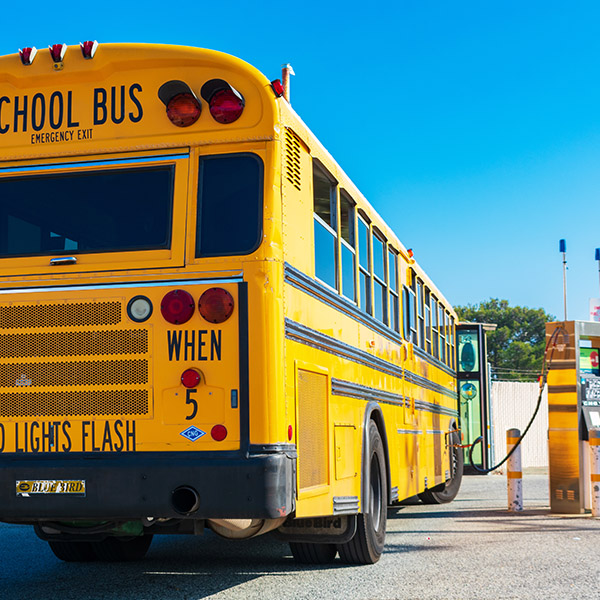
Virginia will replace 83 diesel school buses with zero- or low-carbon vehicles, which will reduce the state’s GHG emissions by about 10,000 tons per year.
Shutterstock
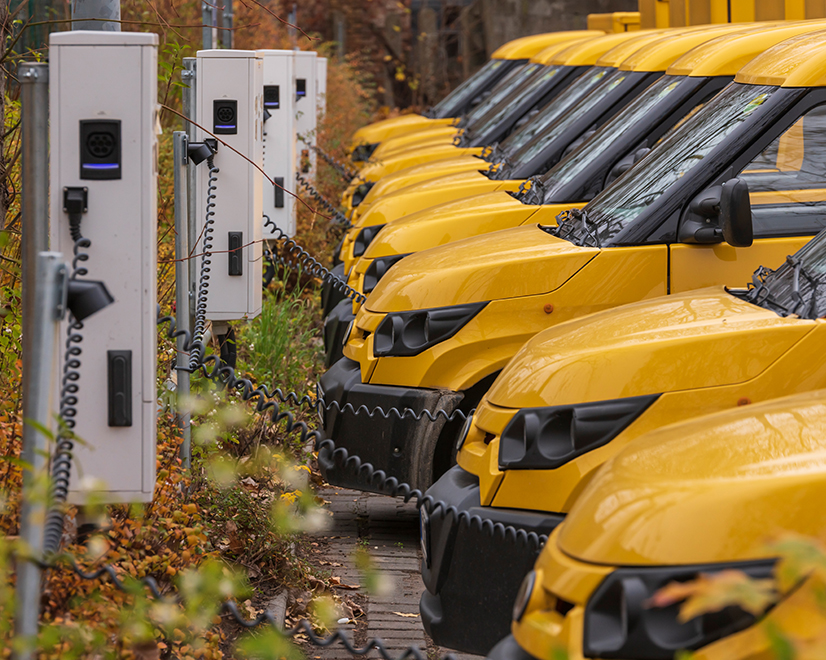
Citing UN's dire warnings on climate change, BPU President Fiordaliso says, program aims to help local governments set the right example and direction.
BMW
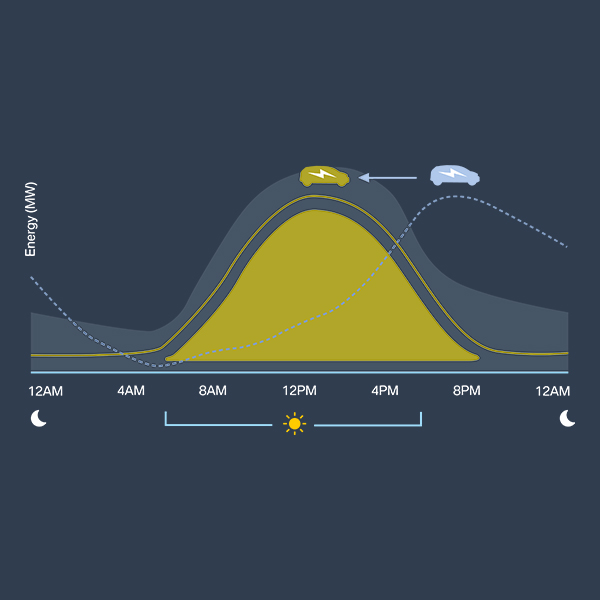
Managed-charging strategies emerge as incentives intended to encourage EV owners to charge during off-peak hours create late-night surges in power use.
California Energy Commission
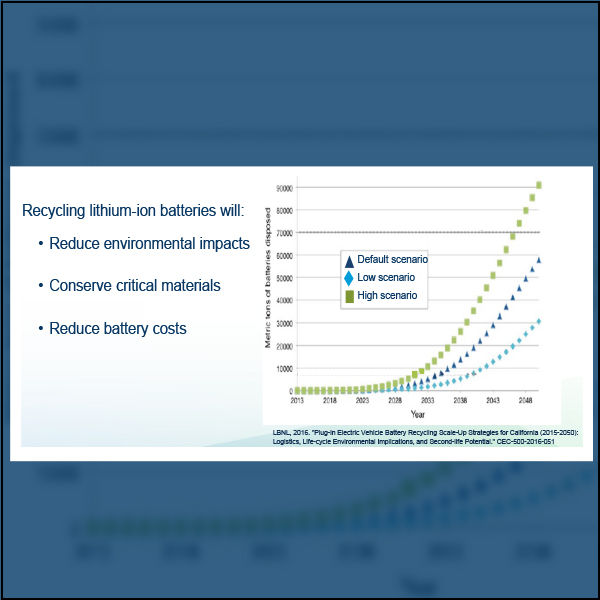
The California Energy Commission is funding battery recycling efforts to deal with the anticipated need to dispose of 60,000 metric tons by 2048.
Southern California Edison
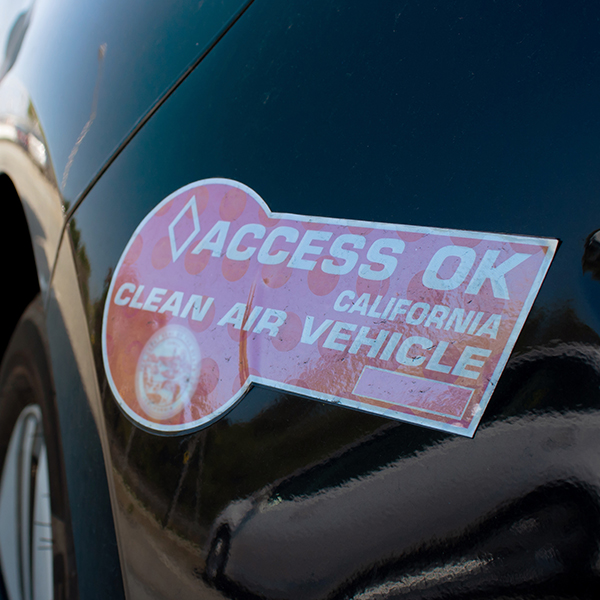
A California Air Resources Board proposal would give car manufacturers a new way to earn ZEV credits under the state’s Advanced Clean Cars program.
Run On Less, Penske
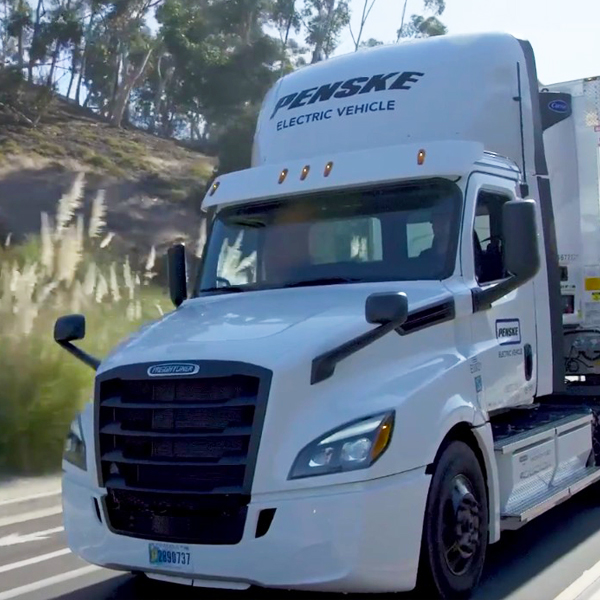
While the U.S. debates funding battery electric buses and trucks, they are already running commercially in cities around the globe, particularly in China.
© RTO Insider LLC
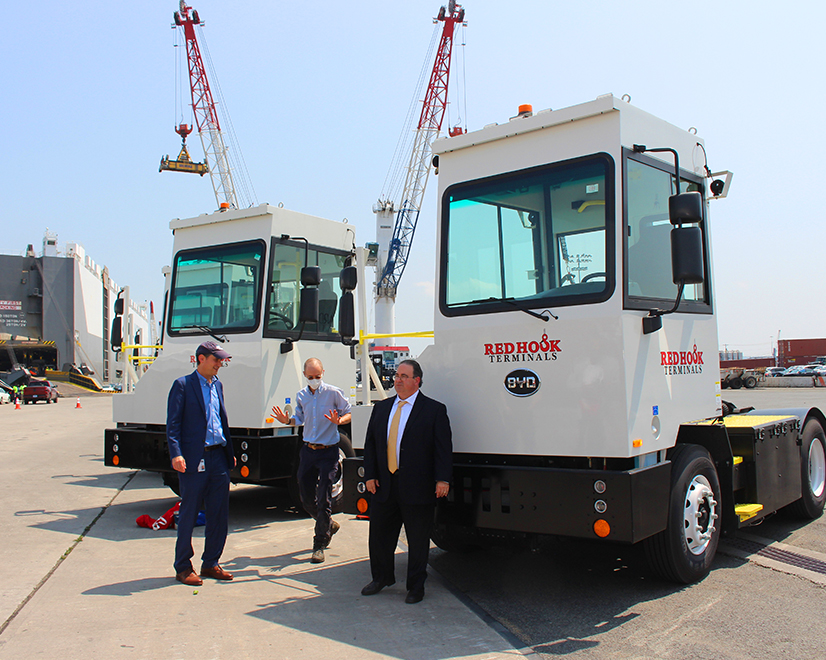
The Port of New York and New Jersey unveiled a fleet of 10 electric yard tractors, a first step in efforts to cut the port's carbon dioxide emissions.
KIGT
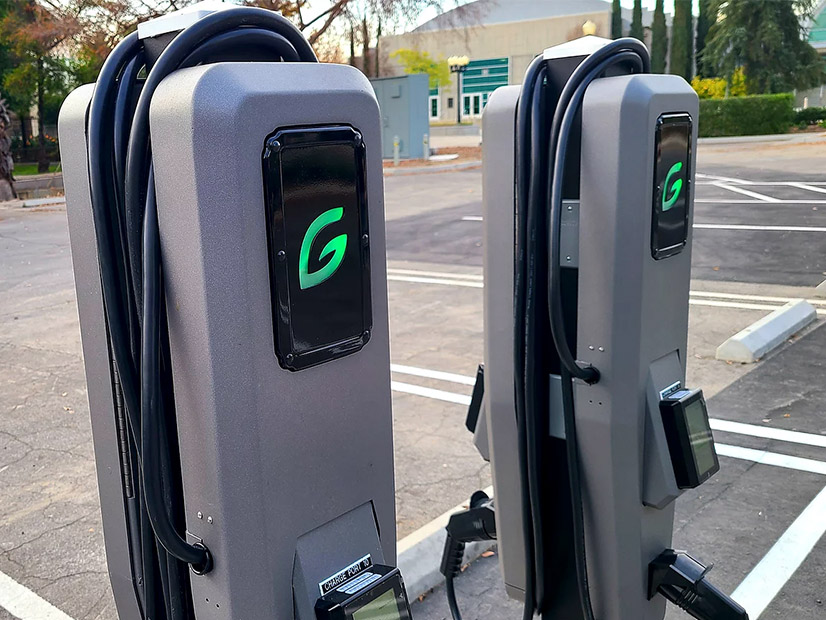
Moving supply chains to the U.S. for domestic clean technology products would provide a significant boost to the economy, two recent studies concluded.
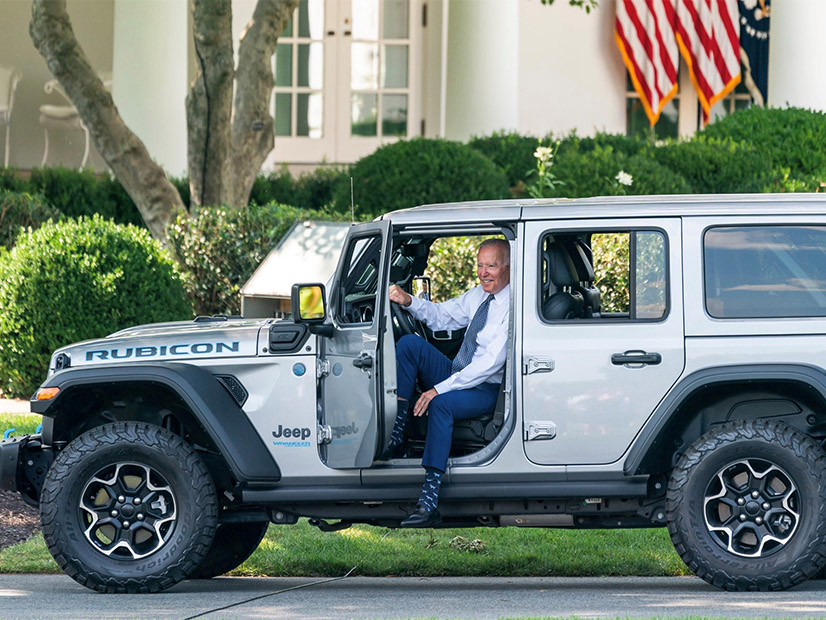
The White House
The Senate approved a $1.2 trillion infrastructure bill in a rare display of bipartisanship that dissolved as Democrats began work on a larger spending package.
The White House
The Senate approved a $1.2 trillion infrastructure bill in a rare display of bipartisanship that dissolved as Democrats began work on a larger spending package.
Want more? Advanced Search