State and Local Policy
AlabamaArizonaCaliforniaCA LegislationCalifornia Air Resources Board (CARB)California Energy Commission (CEC)California Public Utilities Commission (CPUC)ColoradoConnecticutDelawareDistrict of ColumbiaFloridaGeorgiaHawaiiIdahoIllinoisIndianaKentuckyLouisianaMaineMarylandMassachusettsMichiganMinnesotaMississippiMissouriMontanaNevadaNew HampshireNew JerseyNew MexicoNew YorkNYSERDAPublic Service CommissionNorth CarolinaNorth DakotaOhioOntarioOregonPennsylvaniaRhode IslandSouth CarolinaTennesseeTexasUtahVermontVirginiaWashingtonWest VirginiaWisconsinWyoming
Roger Merchant
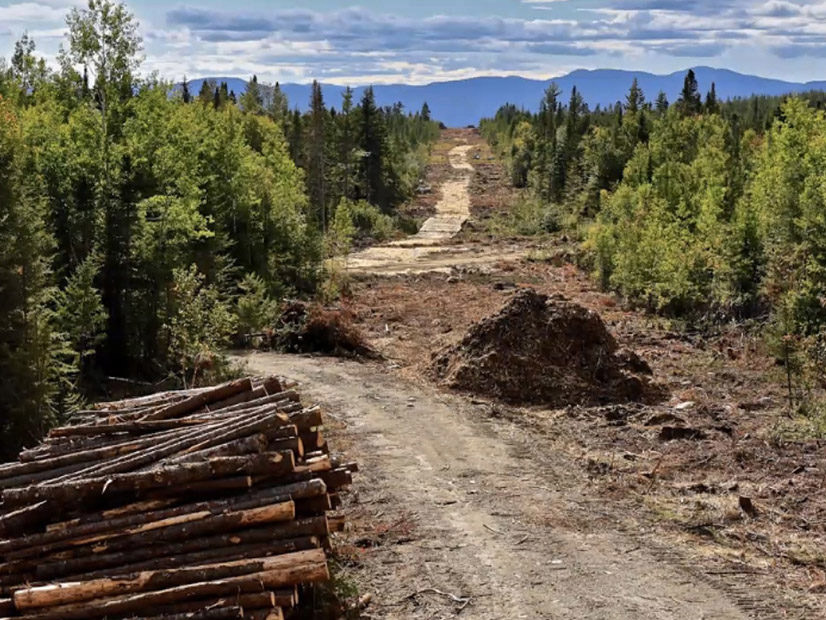
Maine regulators removed a potential obstacle to the New England Clean Energy Connect transmission line, rejecting a challenge by environmentalists and others.

D.C. PSC
In an interview, new D.C. PSC Chair Emile Thompson talked about his vision for reaching the district’s goal of cutting GHG emissions in half by 2032.
Shutterstock
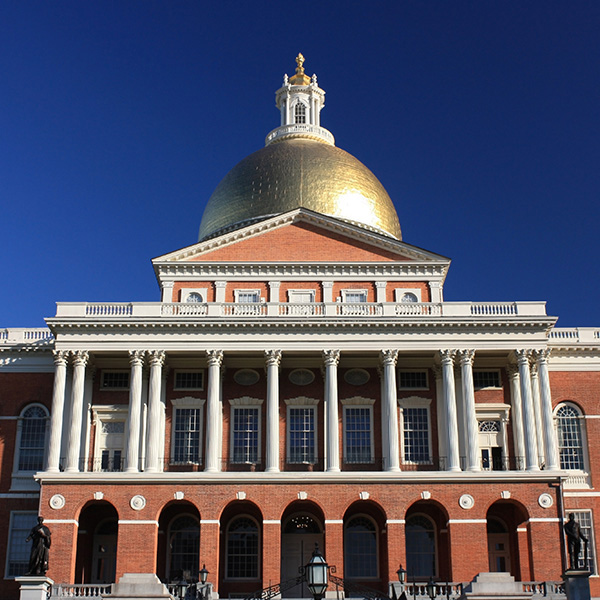
Massachusetts legislators passed a compromise bill that includes a heavy offshore wind focus and provisions to boost EVs, green buildings and renewable energy.

© RTO Insider LLC
New Jersey revs up its popular incentive program to help local businesses electrify their commercial fleets.
Senate ENR Committee
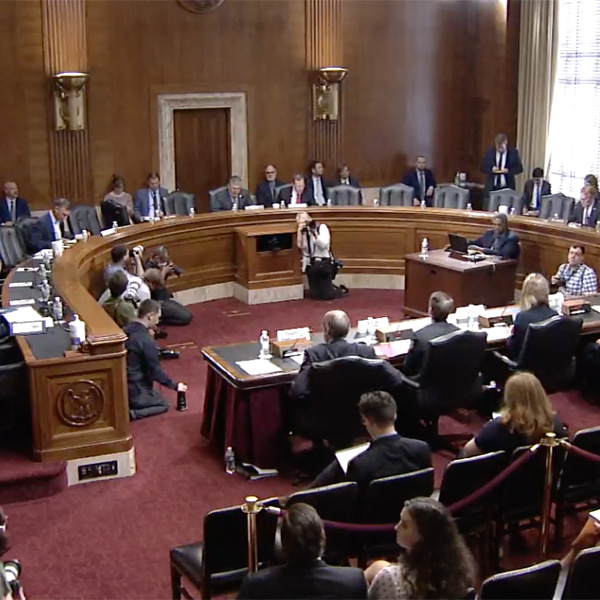
Fears that FERC’s pipeline regulations will stymie development of a national hydrogen pipeline system pervaded a Senate Energy and Natural Resources hearing.
PJM
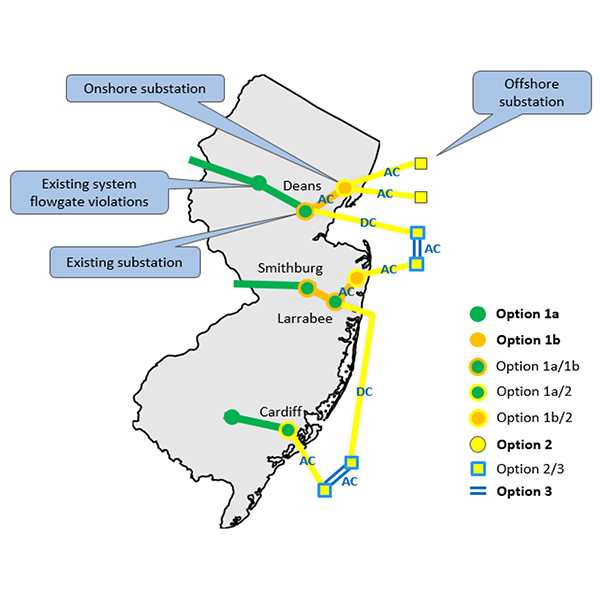
Delivering power from New Jersey’s planned offshore wind projects will cost at least $1.2 billion and could total more than $7 billion, PJM said.
Oregon PUC
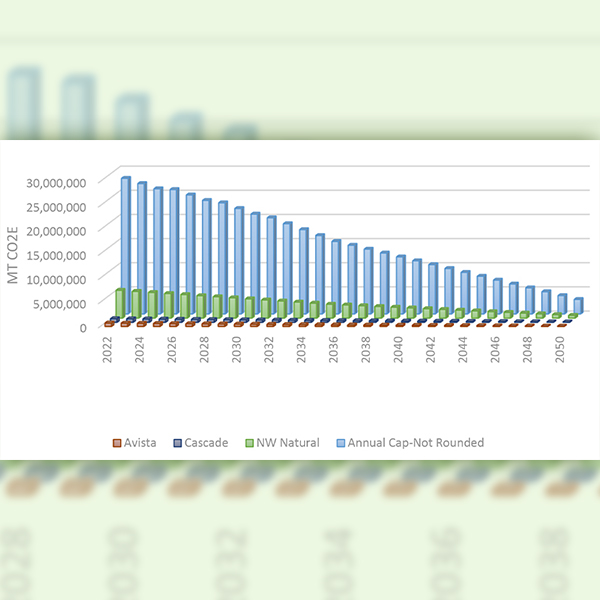
Oregon officials are grappling with how the natural gas sector will fit into the state’s decarbonization strategy.
MYR Group
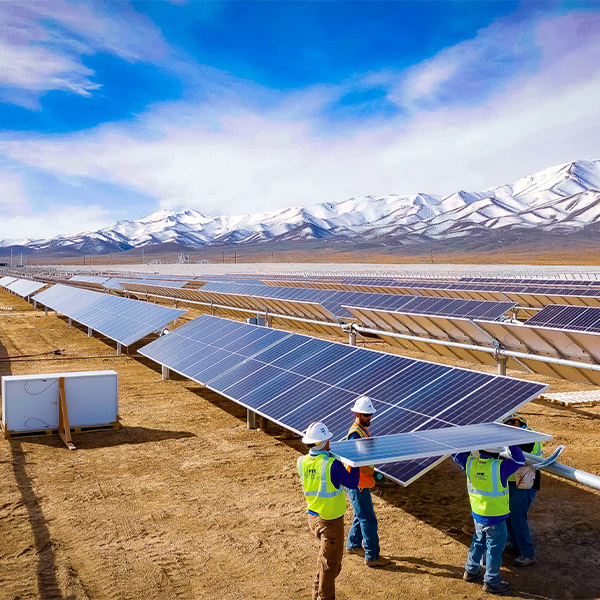
NV Energy exceeded Nevada’s renewable portfolio standard requirement of 24% in 2021, according to a report approved by state regulators.
NYISO
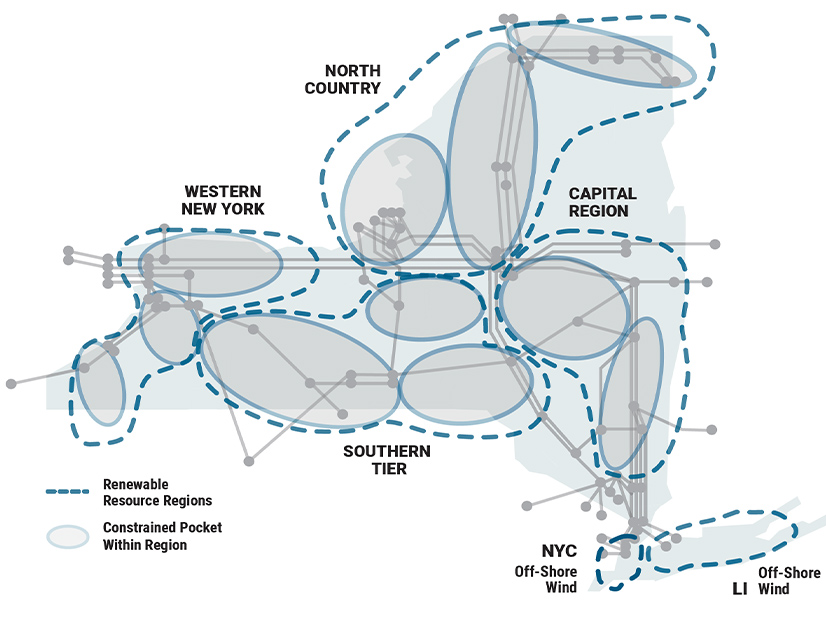
Residents opposed to the Heritage Wind project spoke before the New York Public Service Commission, citing human health concerns and danger to migratory birds.

Shutterstock
The clean energy transition in the U.S. is creating a grid that is increasingly distributed and increasingly digital, making it vulnerable to cyberattacks.
Want more? Advanced Search