FERC & Federal
The Federal Energy Regulatory Commission is an independent regulatory agency that oversees the transmission of electricity, natural gas and oil in interstate commerce, as well as regulating hydroelectric dams and natural gas facilities.
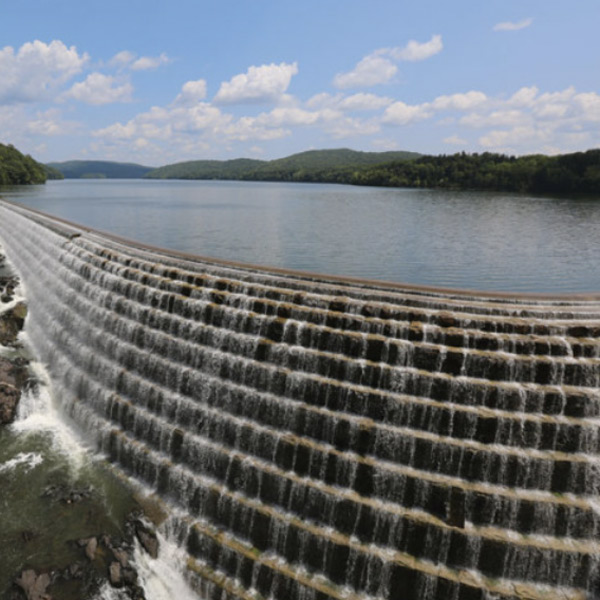
NYDEC
FERC refused Constitution Pipeline’s request to find that New York regulators had failed to act in a timely manner on the company’s water permit application.
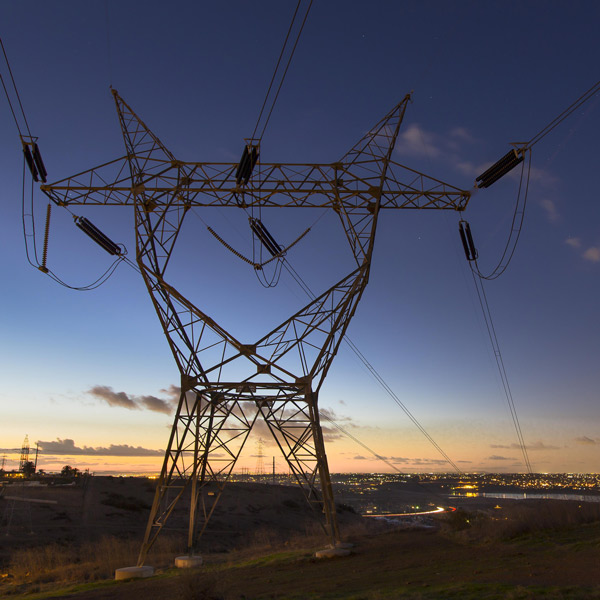
The 9th Circuit challenged FERC's decisions allowing PG&E to include a CAISO participation adder in its transmission rates.
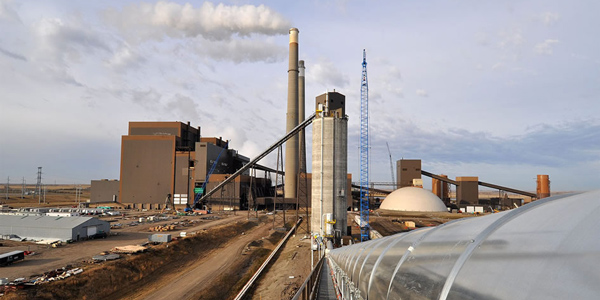
FEECO International
FERC rejected DOE’s call for cost-of-service payments to coal and nuclear generators, instead initiating a broader review of grid operators’ efforts to ensure “resilience.”
California Department of Water Resources
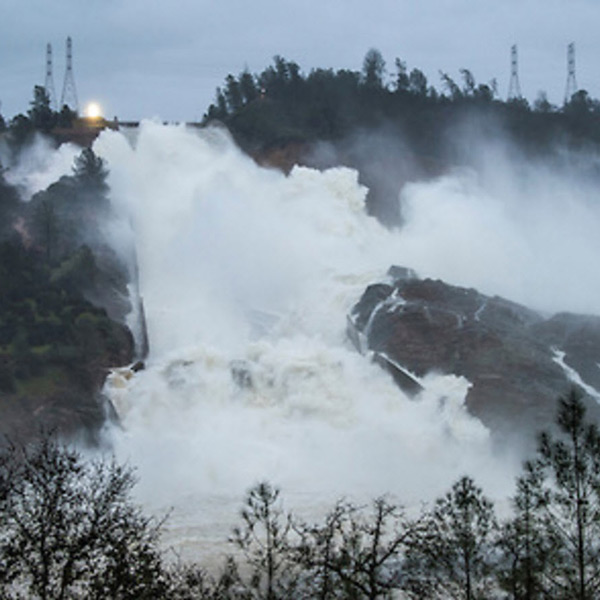
A “long-term systemic failure” of regulatory and industry practices caused the Oroville Dam crisis, an independent forensics team said in a new report requested by FERC.

Although electric utilities will see their tax rate fall from 35% to 21% under the Tax Cut and Jobs Act, few are making plans to spend their savings.
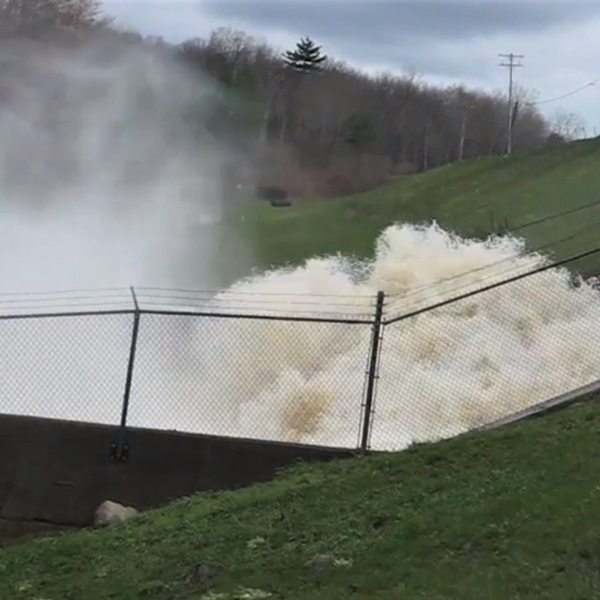
FERC has given a Michigan hydropower company until March 1 to correct serious violations of federal safety regulations or once again face an order to shut down.

Powhatan Energy Fund
A federal judge last week handed FERC another defeat in its battles with traders over how courts review market manipulation allegations.
© RTO Insider
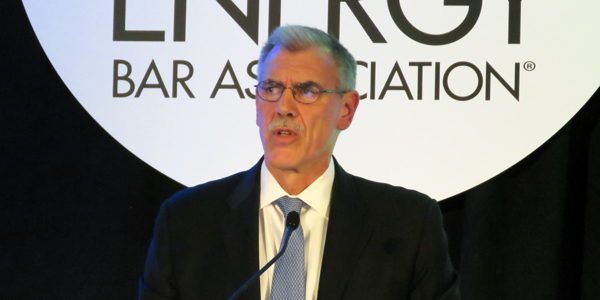
Defenders of the Illinois nuclear subsidy program faced harsh questioning from a judge skeptical that it avoids federal pre-emption concerns.
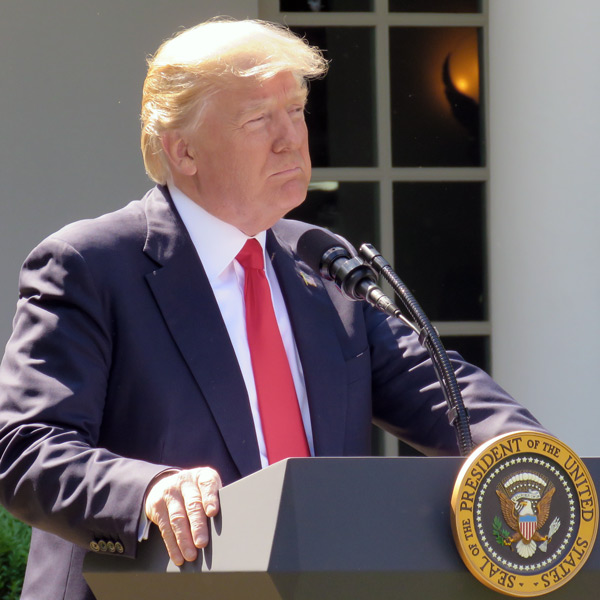
While the energy industry has experienced upheaval under Donald Trump in his first year as president, there’s evidence that it has ballast that can withstand it.
Clean Line Energy Partners
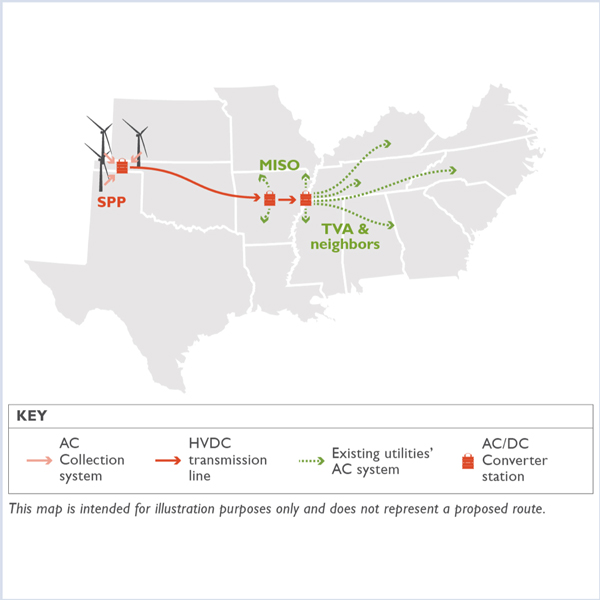
Clean Line Energy Partners sold all of the Oklahoma portion of the Plains & Eastern transmission project to NextEra Energy.
Want more? Advanced Search