FERC & Federal
The Federal Energy Regulatory Commission is an independent regulatory agency that oversees the transmission of electricity, natural gas and oil in interstate commerce, as well as regulating hydroelectric dams and natural gas facilities.
Worldcoal.org
A study for the American Coalition for Clean Coal Electricity (ACCCE) spotlighting the “resiliency” of coal-fired generation echoes the DOE's findings.

Mortenson Construction
ATC agreed to pay a fine and undergo a year of monitoring after failing to report more than 60 agreements and transactions to FERC over the past 16 years.
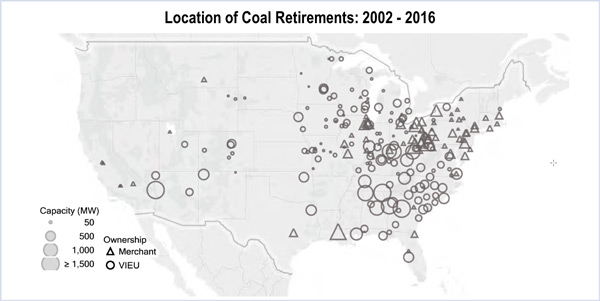
Coal's best hope may be that FERC adopt the DOE grid study's recommendation to lean on RTOs to value on-site fuel storage as a proxy for resiliency.
Analysis Group
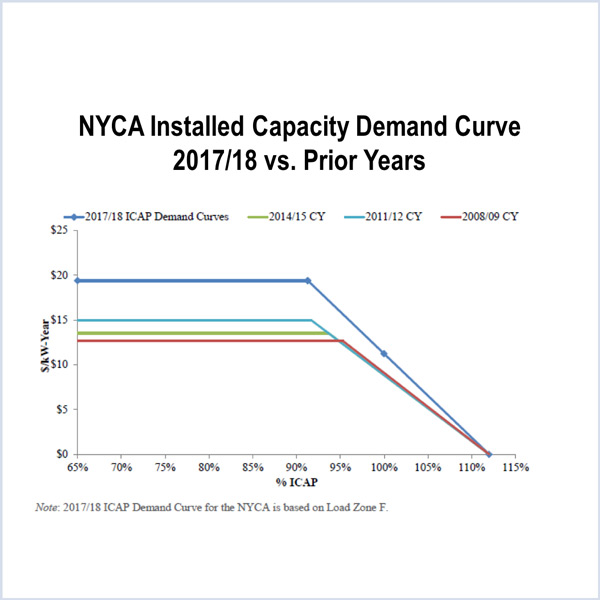
FERC rejected a request to include the cost of emissions controls in the peaking plant design for the NYISO New York Control Area capacity demand curve.
© RTO Insider
FERC approved PG&E's request to recover from its customers a portion of the costs of a $1.8 billion package of planned transmission improvements.
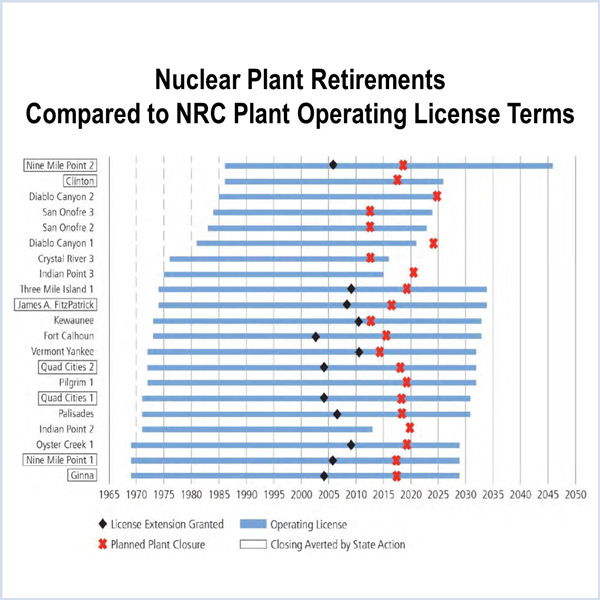
Department of Energy, Staff Report to the Secretary on Electricity Markets and Reliability, August 23, 2017
The nuclear industry hopes the grid study released by the Energy Department will accelerate RTO price formation efforts valuing baseload generation.
MRES
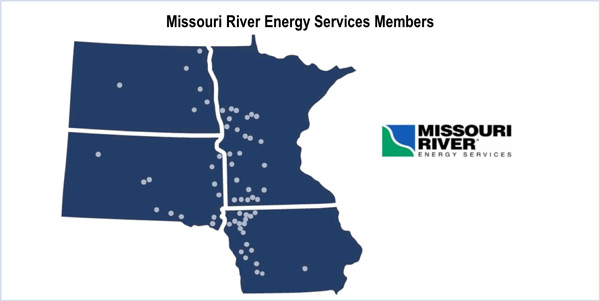
FERC approved a settlement agreement granting five municipalities belonging to Missouri River Energy Services a 9.6% base return on equity.
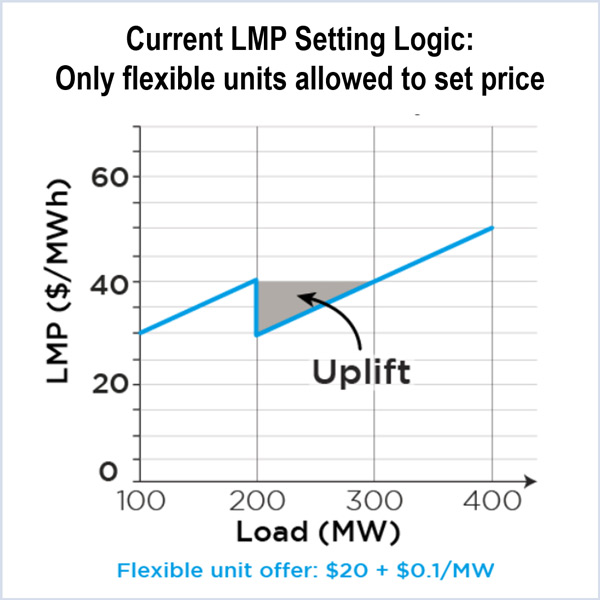
The U.S. Energy Department’s study acknowledges its limited authority over wholesale markets, leaving it to FERC and RTOs to act on its recommendations.
Spectra Energy
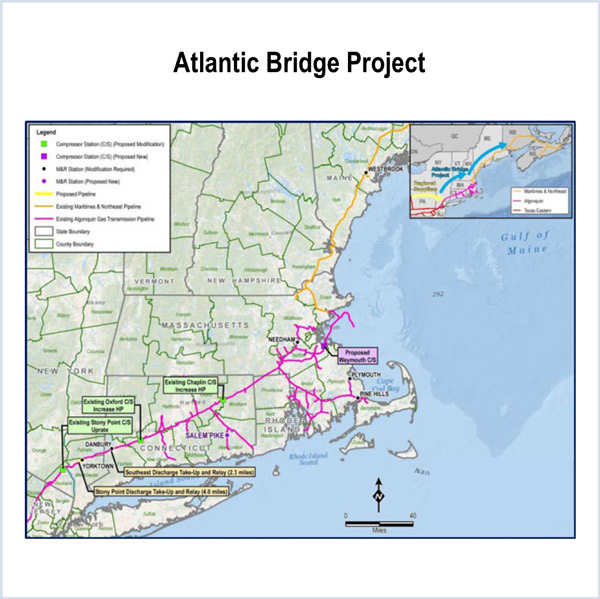
FERC denied requests by two Massachusetts municipalities for a stay of its January approval of the Atlantic Bridge Project.
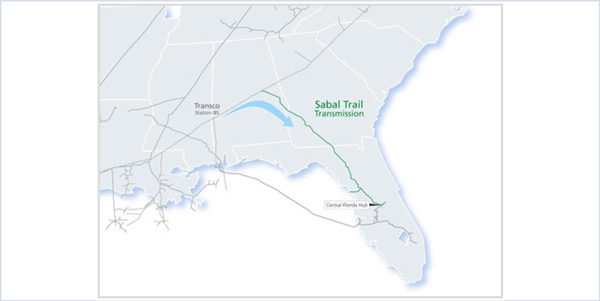
Sabal Trail Transmission
FERC must consider the impact of greenhouse gas emissions when licensing natural gas pipelines, a split D.C. Circuit Court of Appeals panel ruled.
Want more? Advanced Search