FERC & Federal
The Federal Energy Regulatory Commission is an independent regulatory agency that oversees the transmission of electricity, natural gas and oil in interstate commerce, as well as regulating hydroelectric dams and natural gas facilities.
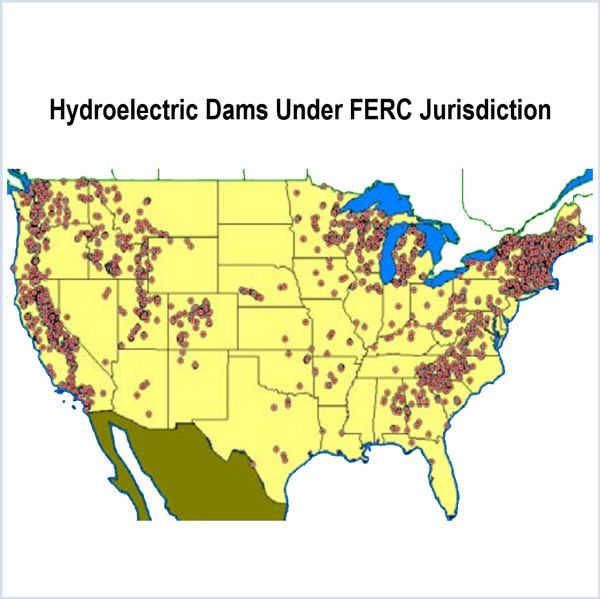
FERC is considering changing the way it establishes license terms at non-federal hydropower projects.

© RTO Insider
At last week's NARUC Annual Meeting, regulators and grid operators agreed that state commissions must engage when key decisions are being made by RTOs.

© RTO Insider
NARUC Panelists agreed that while the election of Donald Trump has clouded the future of federal energy policy, the Clean Power Plan won’t figure into it.

FERC approved a rule updating its processes for the handling of Critical Energy Infrastructure Information and a rule satisfying the FOIA Improvement Act of 2016.
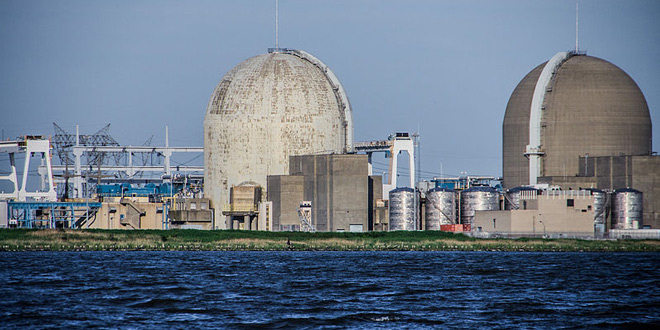
FERC approved a rate settlement for the Artificial Island transmission project, but the order may be moot.
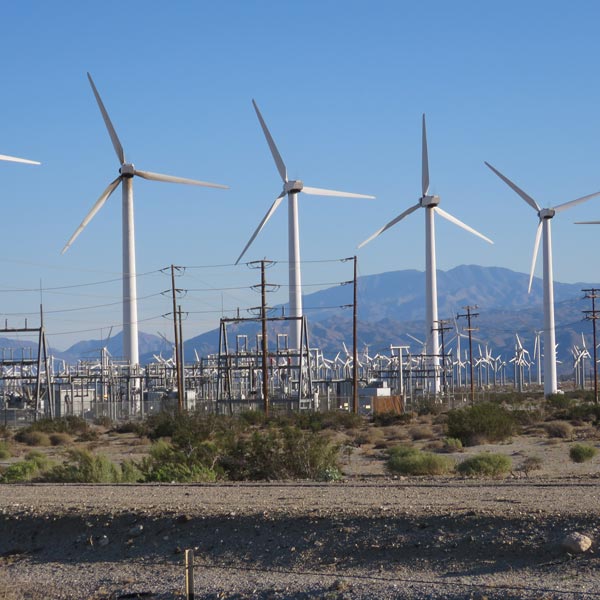
FERC proposed revising its pro forma GIAs to require all newly interconnecting facilities to install and enable primary frequency response capability.
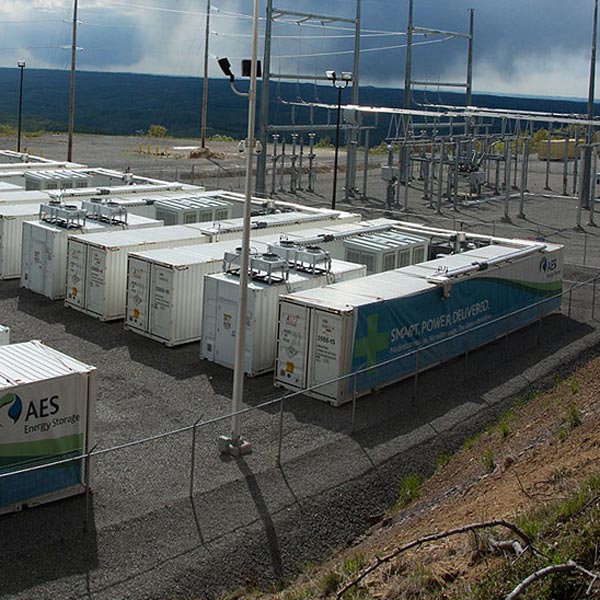
In a big boost to the energy storage industry, FERC proposed a sweeping order aimed at knocking down barriers to storage and DER.
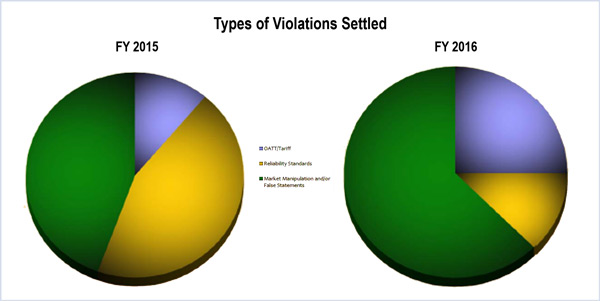
Market manipulation cases dominated FERC enforcement efforts in fiscal 2016, according to the Office of Enforcement’s 10th annual report.
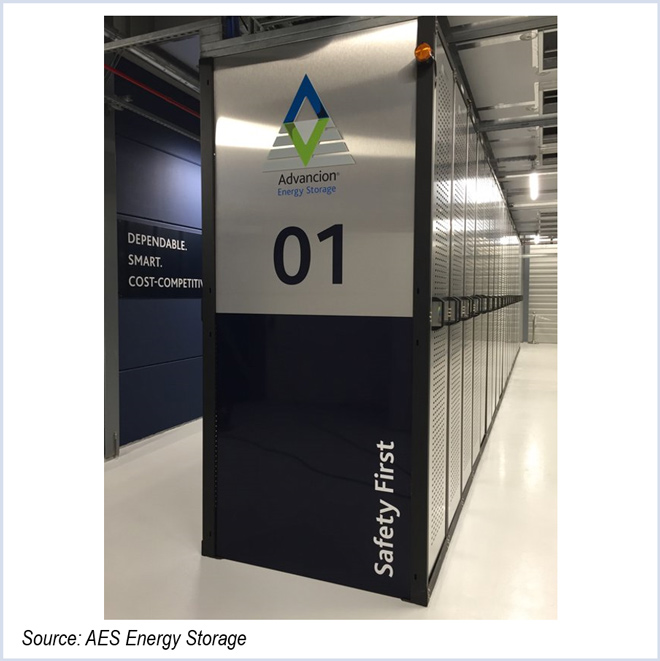
MISO asked FERC to reject the IPL (NYSE:AES) complaint over energy storage rules, calling it disruptive to stakeholder proceedings.
Tucson Electric could become the latest Western utility to lose authorization to sell electricity at market-based rates within its balancing authority area.
Want more? Advanced Search