FERC & Federal
The Federal Energy Regulatory Commission is an independent regulatory agency that oversees the transmission of electricity, natural gas and oil in interstate commerce, as well as regulating hydroelectric dams and natural gas facilities.
© RTO Insider
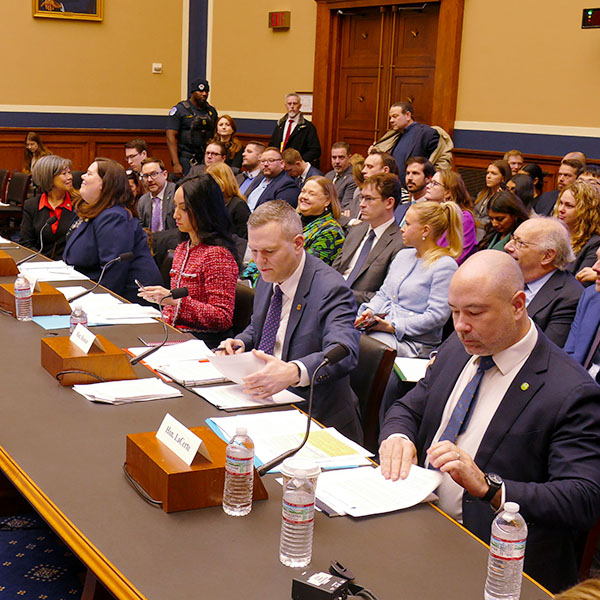
All five FERC commissioners faced questions from the House Energy and Commerce Subcommittee on Energy on how to balance reliability and affordability as demand grows.
EIA
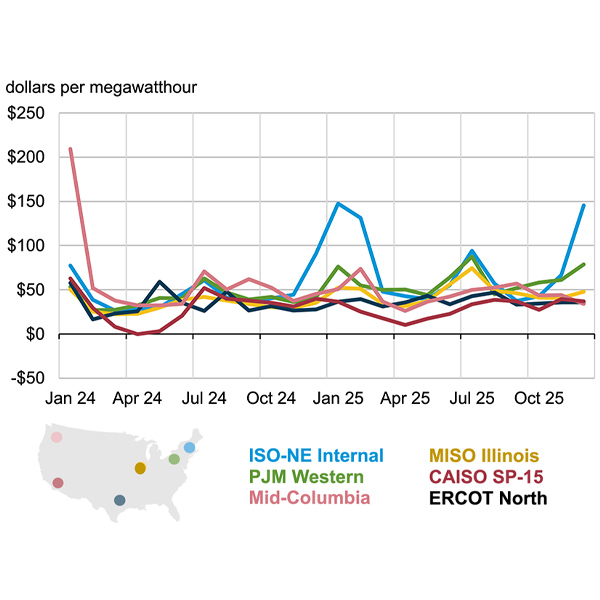
Average wholesale day-ahead electricity prices were higher in 2025 than in 2024 at most but not all major trading hubs in the contiguous 48 states.

PJM
The White House and PJM's governors called for a special backstop capacity auction to procure $15 billion worth of new dispatchable generation, which is to be paid for by data centers.
BOEM
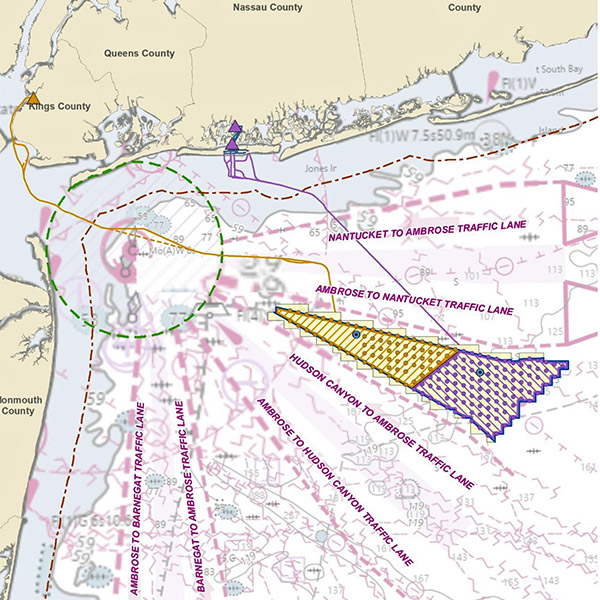
Equinor won a temporary injunction against the Trump administration’s stop-work order on U.S. offshore wind projects, allowing it to resume work on Empire Wind.
EIA
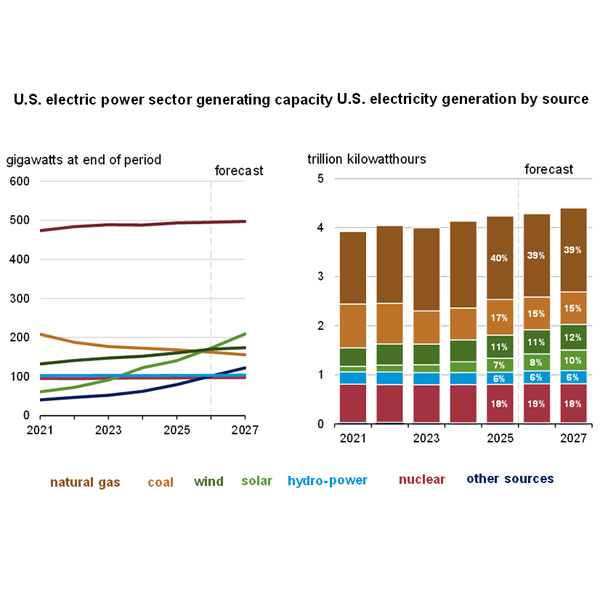
The U.S. Energy Information Administration forecasts the highest power demand growth in a quarter century in 2026 and 2027, due largely to the proliferation of data centers.
House Committee on Energy and Commerce
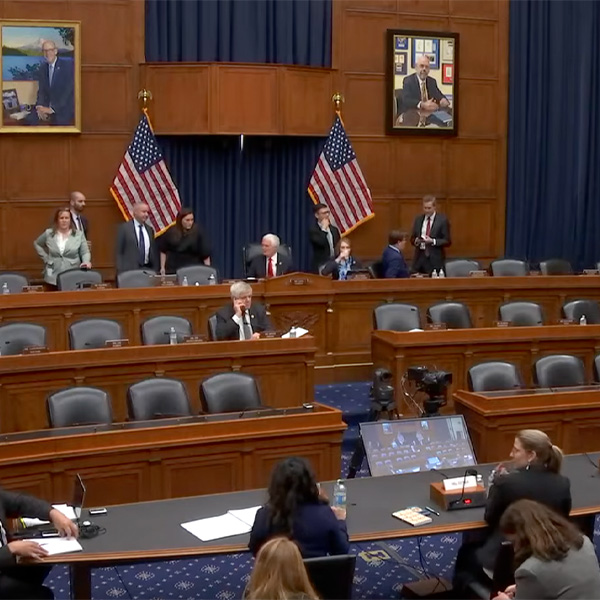
Democrats pressed a senior DOE official on recent decisions affecting PJM, including the agency's orders to keep coal plants running, while another agency shut down offshore wind projects nearing completion.
PJM
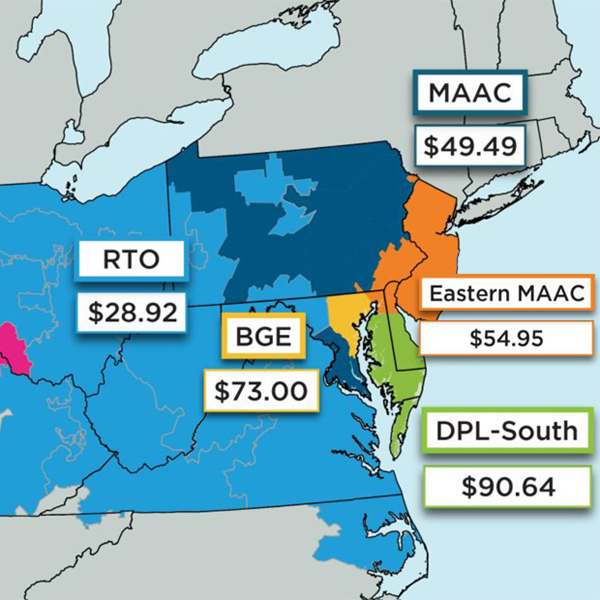
The D.C. Circuit Court of Appeals has vacated FERC’s decision to order PJM to rerun its 2024/25 capacity auction without a tweak to the parameters for the DPL South zone.
© RTO Insider
U.S. Sen. Tom Cotton (R-Ark.) introduced a bill that would exempt large loads served on islanded systems from federal economic regulations for the electric industry.
House Energy and Commerce Committee
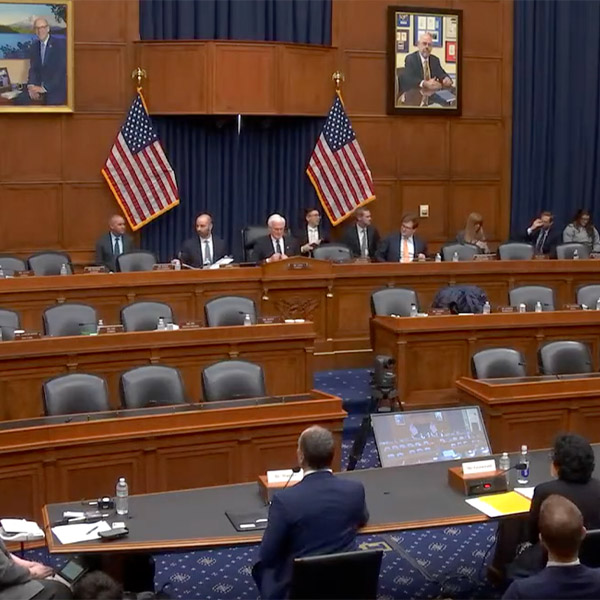
At an oversight hearing on new nuclear capacity, the two parties touted recent bipartisan legislation as helping move things forward, but Democrats said Trump administration cuts and moves to curb the NRC's independence creates crosswinds.
Shutterstock
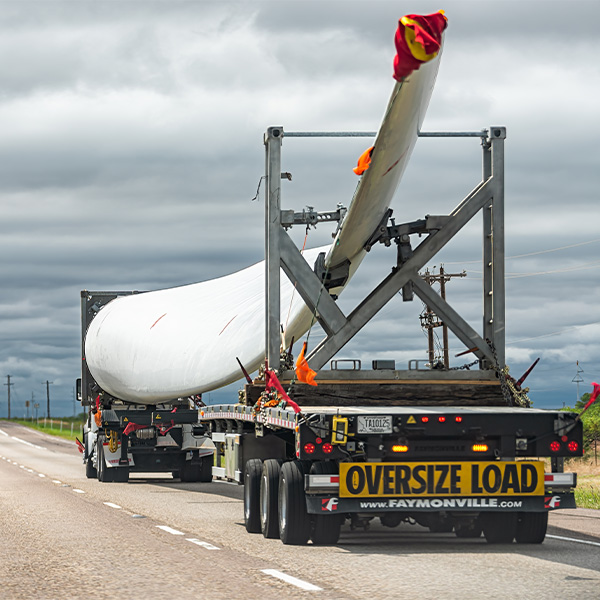
The renewable energy industry and its advocates have initiated two more lawsuits against the Trump administration over its continuing campaign against wind and solar energy development.
Want more? Advanced Search