FERC & Federal
The Federal Energy Regulatory Commission is an independent regulatory agency that oversees the transmission of electricity, natural gas and oil in interstate commerce, as well as regulating hydroelectric dams and natural gas facilities.
Two-thirds of PJM’s transmission owners have failed to file FERC-approved tariffs disclosing the methodology they use to calculate customer rates ...
Two utilities signaled their intent to oppose a “multi-driver” approach for incorporating public policy goals in PJM’s transmission planning process.
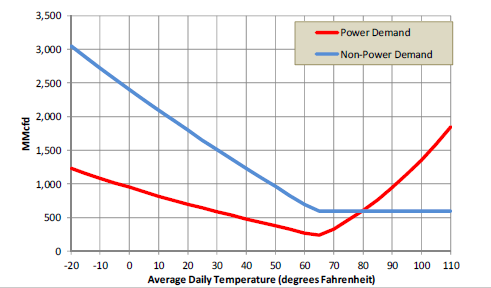
NERC urged electric industry planners to begin incorporating the risk of natural gas supply interruptions in their reliability and resource assessments.
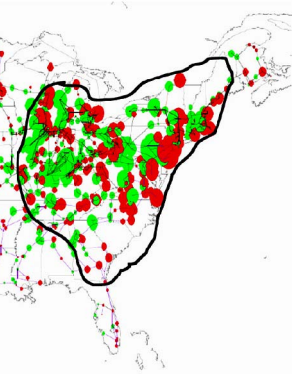
FERC Said that the electric transmission system needs more protections against geomagnetic disturbances like the 1989 solar storm that caused the collapse of the Hydro-Quebec grid.
Public interest groups scolded PJM for excluding them from the MOPR stakeholder process and for setting its annual meeting at the Greenbrier. The public interest groups and state regulators also praised PJM for its handling of generation retirements and lobbied it to increase use of demand response and energy efficiency.
FERC approved a revised transmission planning reliability standard (TPL-001-4) it had previously rejected as “vague and unenforceable.”
NERC’s delayed and muted response to the sabotage of a Pacific Gas & Electric Co. substation April 16 has some electric industry officials concerned.
On...
(May 3, 2013) — The Federal Energy Regulatory Commission yesterday handed PJM a split decision on disputed changes to its Minimum Offer Price Rule (MOPR), al...
PJM set the following net-short thresholds by customer type:
150 MW for a single-customer LSE;
1,000 MW for a public power entity;
1,800 MW for a multi-s...
MRC approved revisions to the confidentiality provisions of its tariff to comply with FERC Order 771, requiring provision of e-Tag data to Independent Syste...
Want more? Advanced Search