
FERC & Federal
The Federal Energy Regulatory Commission is an independent regulatory agency that oversees the transmission of electricity, natural gas and oil in interstate commerce, as well as regulating hydroelectric dams and natural gas facilities.

© RTO Insider LLC
The longstanding links between U.S. and Canadian electricity grid operators won’t be easily fractured by the tariff-driven political rift between D.C., and Ottawa, industry participants on both sides of the border say.

PJM
A new report examines CAISO, MISO, PJM and SPP efforts to accelerate interconnection and concludes that while some may succeed in speeding generation additions, some sacrifice fairness, transparency and open-access principles.
Yes Energy
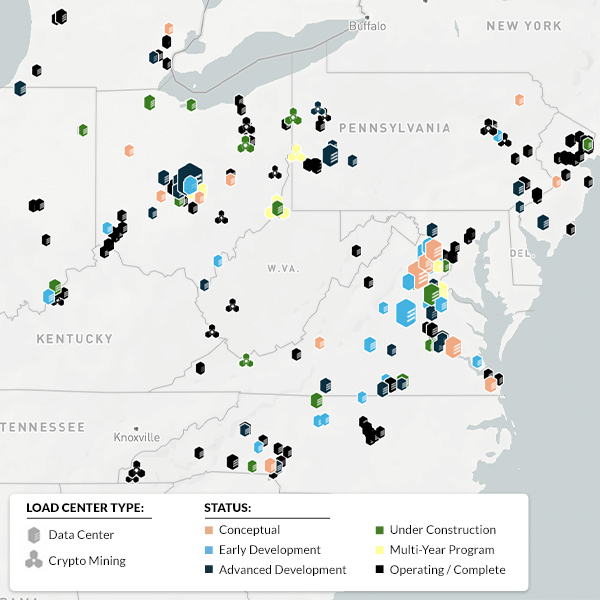
Many comments on the Department of Energy’s Advance Notice of Proposed Rulemaking to FERC on large load interconnections warned against going too far into jurisdictional issues.

NREL
Effort seeks to expedite development of the gigawatt-scale generation, transmission and grid infrastructure needed to support large-scale data centers and AI development.

© RTO Insider
FERC Chair Laura Swett presided over her first monthly open meeting at the helm of the commission, giving her a chance to set the tone for her tenure.
DOE
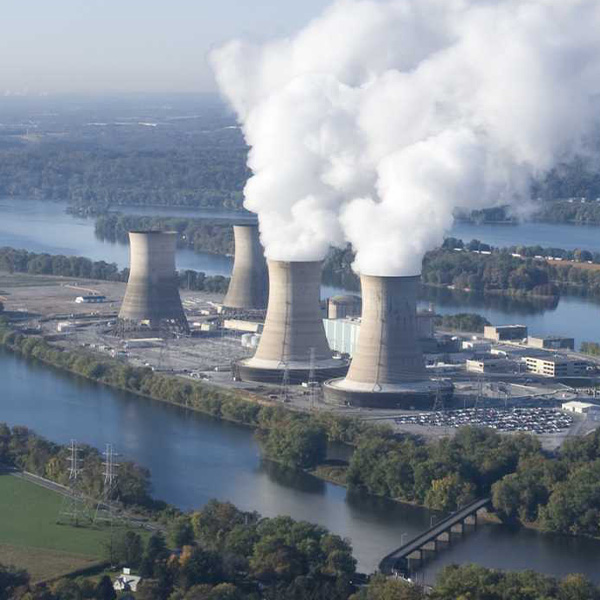
DOE awarded Constellation a $1 billion loan for its Crane Clean Energy Center project, which will cut financing costs for the nuclear unit restart.

© RTO Insider
State regulators say the push to give FERC jurisdiction over large load interconnections could leave the agency biting off more than it can chew around complex state-run processes, while failing to accomplish the intended goal of speeding approvals of hyperscale data centers.

© RTO Insider
SPP state regulators have approved several motions related to FERC Order 1920’s mandate for long-term, scenario-based planning to ensure the system can meet future needs and be fairly compensated.

Lawrence Berkeley National Laboratory
FERC can make large load flexibility a reality through the implementation of the Department of Energy’s Advance Notice of Proposed Rulemaking on large load interconnections, according to a new Nicholas Institute policy paper.
© RTO Insider LLC
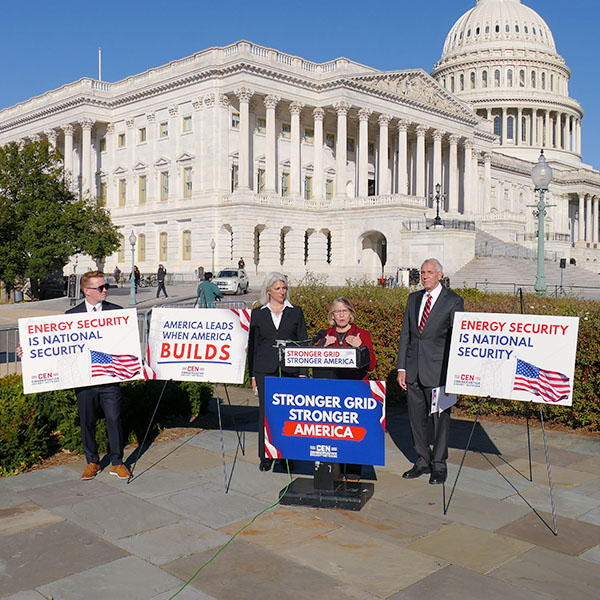
Both parties have members working on permitting legislation, but the shutdown and the Trump administration's actions against clean energy projects make actual legislation a tough lift for now.
Want more? Advanced Search
