
FERC & Federal
The Federal Energy Regulatory Commission is an independent regulatory agency that oversees the transmission of electricity, natural gas and oil in interstate commerce, as well as regulating hydroelectric dams and natural gas facilities.
Georgia Power
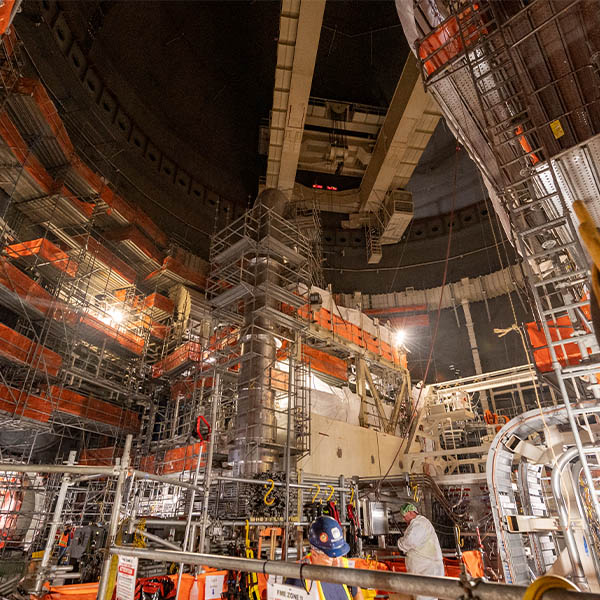
The U.S. has entered a strategic partnership to pursue construction of at least $80 billion worth of Westinghouse nuclear reactors nationwide.
BWXT Advanced Technologies
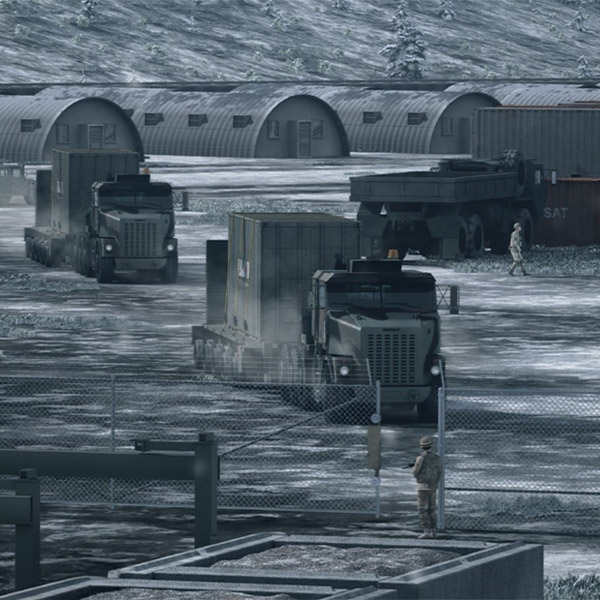
The U.S. Army’s new next-generation nuclear power program is wasteful, counterproductive and dangerous, says columnist Steve Huntoon.
bomazi, CC BY 2.0, via Wikimedia Commons
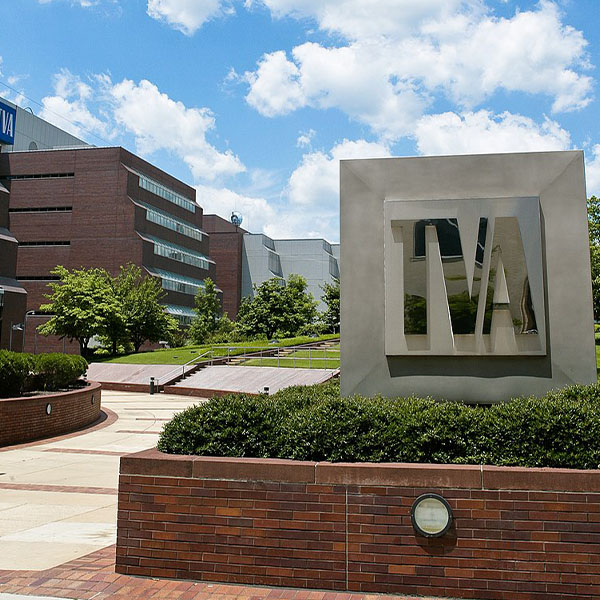
Each of President Donald Trump’s nominees to the Tennessee Valley Authority’s board of directors said they did not support the privatization of the utility or selling its assets, as feared by some environmentalists.
Shutterstock
Energy Secretary Chris Wright directed FERC to start a rulemaking that will consider it claiming jurisdiction over the interconnection of large loads to speed up the buildout of AI data centers and reshored manufacturing.
© RTO Insider LLC
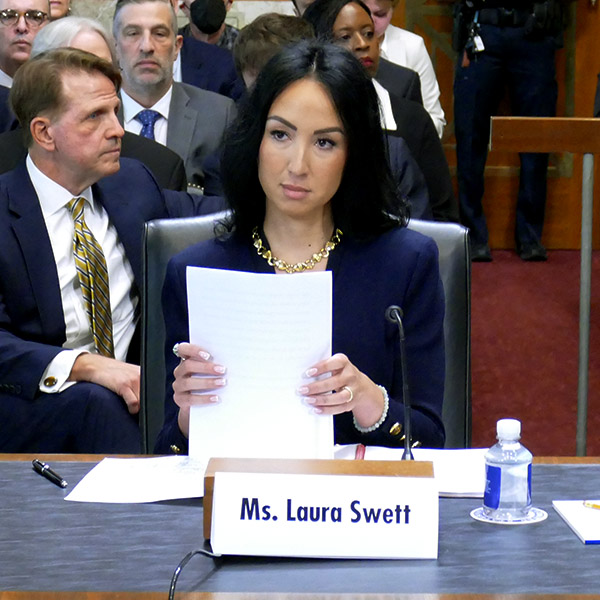
President Donald Trump named Laura Swett chair of FERC.
Commonwealth Fusion Systems
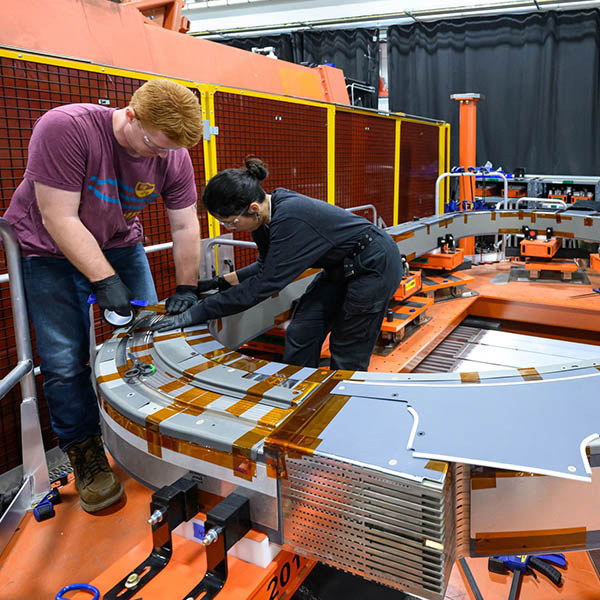
The Department of Energy's “Fusion Science and Technology Roadmap” seeks to accelerate progress toward the long-sought, long-elusive goal of commercially viable nuclear fusion power.
Shutterstock
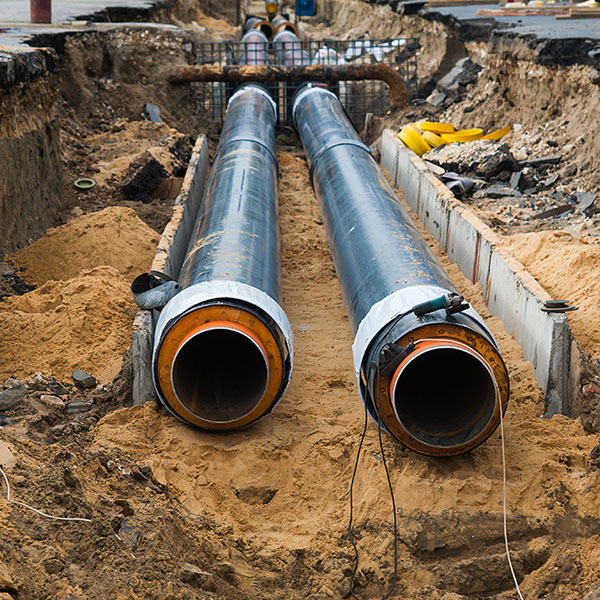
Citing growing demand for power and gas, FERC removed regulations that paused pipeline construction pending appeals after developers said it led to too many delays and costs.
Clean Air Task Force
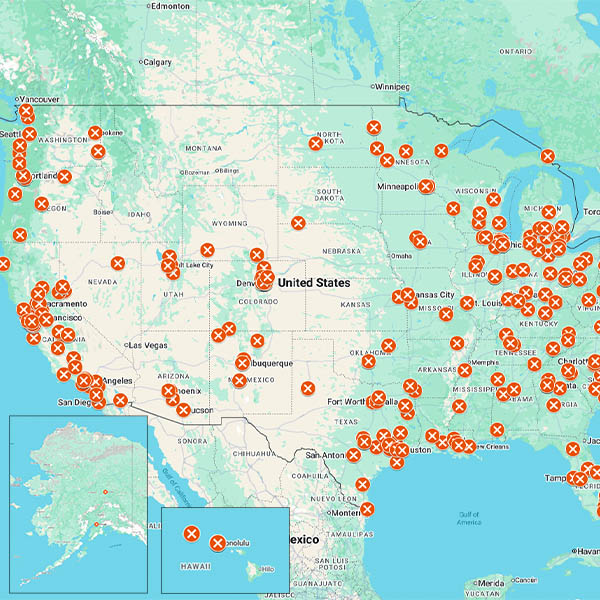
The Trump administration is gearing up — possibly — to terminate billions more in energy-related grants awarded under the Biden administration.
© RTO Insider
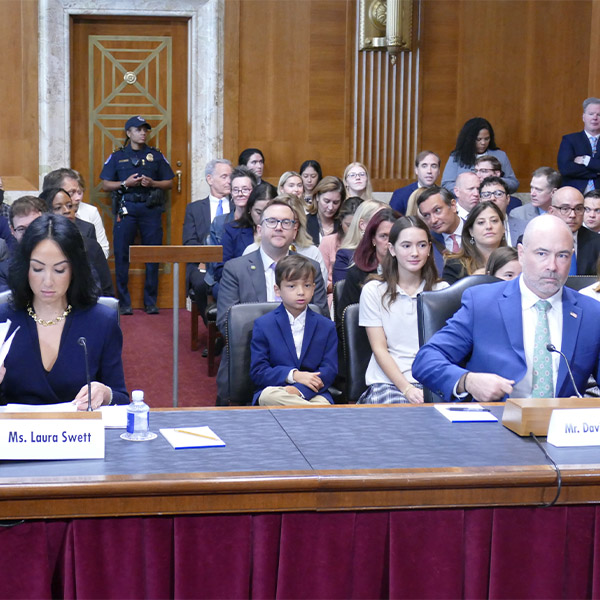
The Senate voted 51-47 along party lines to confirm over 100 nominees, including Laura Swett and David LaCerte to open seats on FERC.
DOE
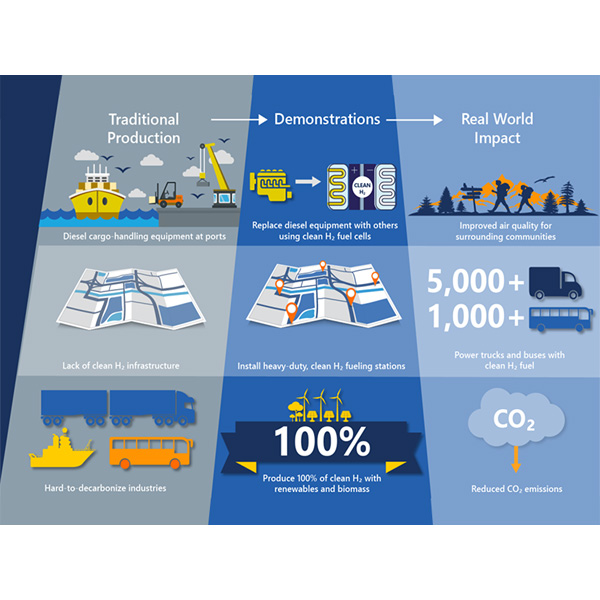
The U.S. Department of Energy has terminated 321 grants totaling $7.56 billion for 223 projects, apparently targeting Democratic-leaning states.
Want more? Advanced Search
