FERC & Federal
The Federal Energy Regulatory Commission is an independent regulatory agency that oversees the transmission of electricity, natural gas and oil in interstate commerce, as well as regulating hydroelectric dams and natural gas facilities.
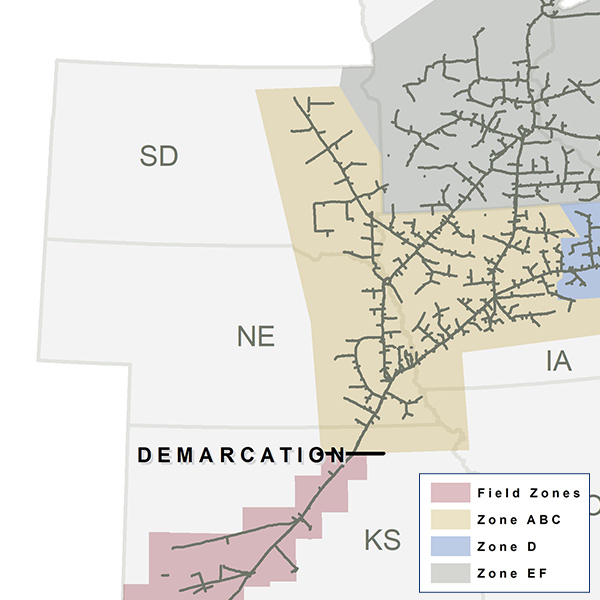
In a shift in commission policy, FERC for the first time assessed the greenhouse gas emissions of a proposed natural gas infrastructure project.
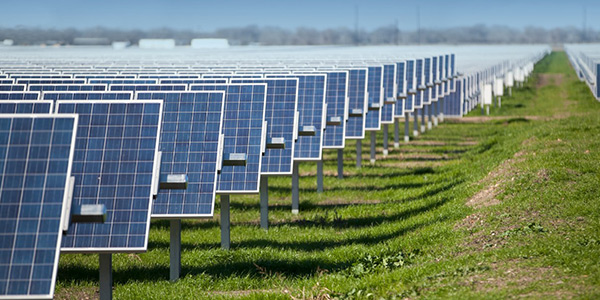
FERC reversed its September order denying a Montana solar hybrid project certification as a qualifying facility because its capacity was too large.
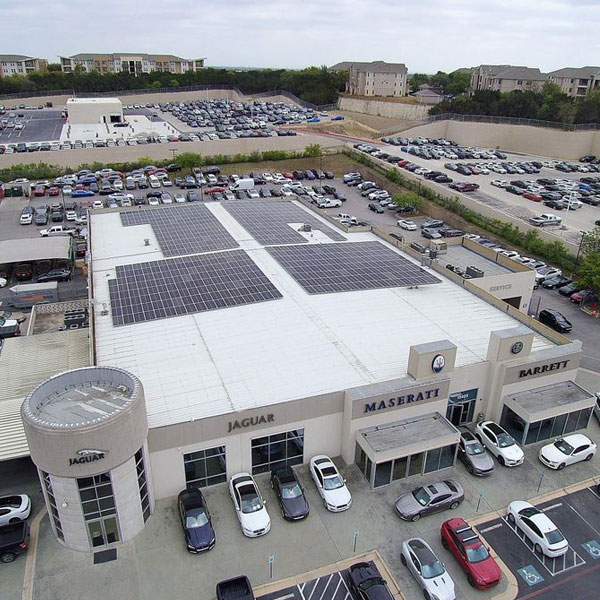
FERC reversed its ruling giving state regulators power to prevent demand response from participating in DER aggregations.
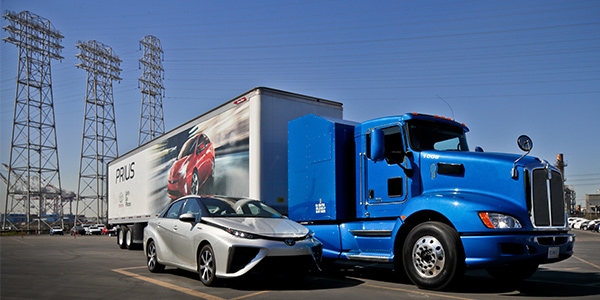
Vehicle industry and government leaders discussed accelerating development of lower-emission technologies with the Senate Energy Committee.
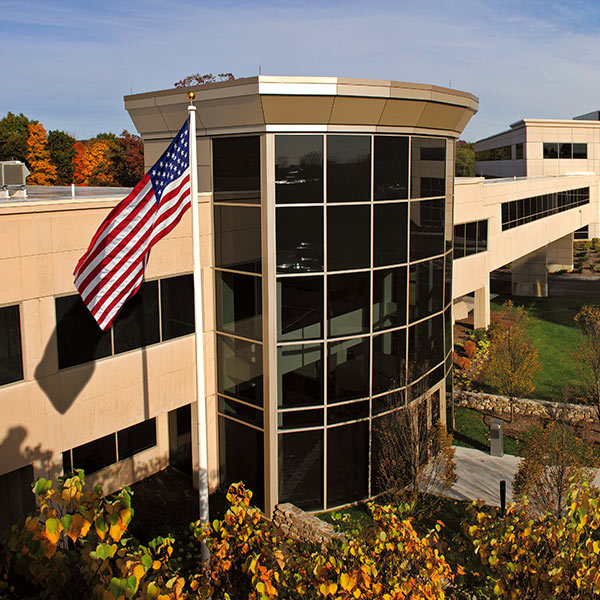
The ISO-NE Consumer Liaison Group’s first meeting of the year featured a discussion on the impact of the Biden administration’s energy policies.
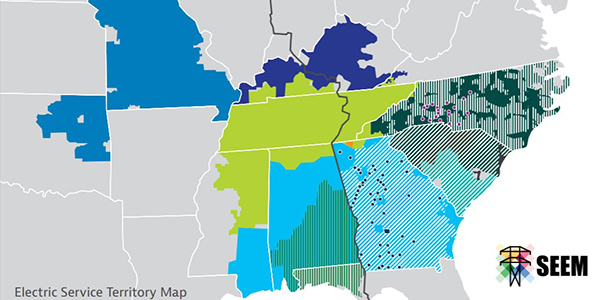
Stakeholders told FERC that the proposed Southeast Energy Exchange Market (SEEM) doesn’t go far enough to increase competition.
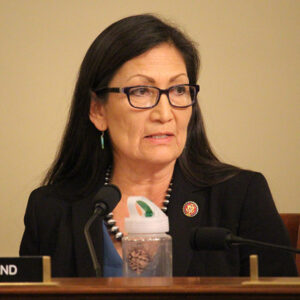
The Senate confirmed Rep. Deb Haaland as Interior secretary, making her the first Native American to become a cabinet member.
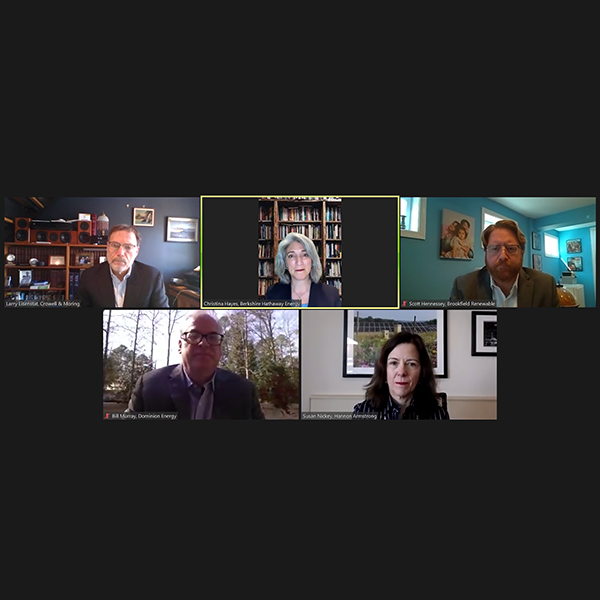
A panel of industry stakeholders concluded ACORE’s Policy Forum with a discussion on infrastructure and the policies that might shape the future grid.
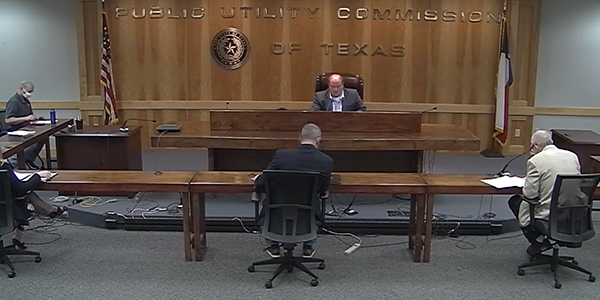
ERCOT faces a shortfall of more than $3 billion after widespread generator outages stemming from a February winter storm.

Former FERC Chair Norman Bay joined a panel at ACORE's Policy Forum to discuss the opportunities for regulators to advance President Biden’s energy policies.
Want more? Advanced Search