
Capacity Market
Lawrence Berkeley National Laboratory
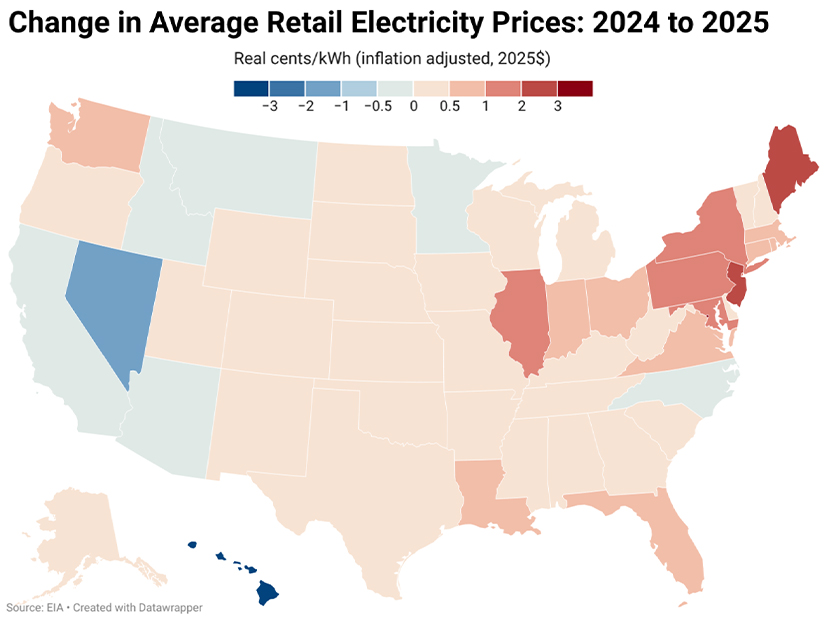
LBNL released an update to its retail price study, which showed power prices rose for most states between 2024 and 2025, after a half decade of mostly declining prices.

PJM
Talen Energy’s proposal to buy more than 2.5 GW of generation from Energy Capital Partners will lead to a more concentrated PJM market and greater market power for the fourth largest generator in the RTO, the Monitor said in comments filed with FERC.

NextEra Energy
FERC approved ISO-NE’s proposal to replace its Forward Capacity Market with a prompt market, cutting the time between auctions and commitment periods from more than three years to about one month.

© RTO Insider
PJM presented the Markets and Reliability Committee with a first read on a proposal to establish penalties for load management and price-responsive demand resources that do not perform during pre-emergency events

© RTO Insider
PJM is forming a task force to explore how new data centers can be required to curtail if they interconnect before there is sufficient capacity and transmission capability.
Midwestern Regional Climate Center and MISO
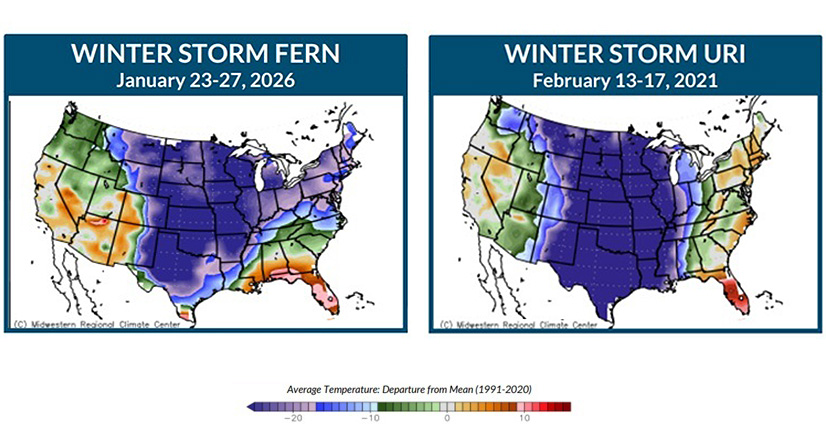
MISO’s maximum generation emergency event during a harsh winter featured under-forecast demand, issues with pricing software and day-ahead models so bogged down by complexity that they took longer to solve.

© RTO Insider
FERC rejected a complaint from the PJM Independent Market Monitor asking it to determine the RTO holds the authority to deny transmission service for large loads that cannot be reliably served/
Retail Energy Advancement League
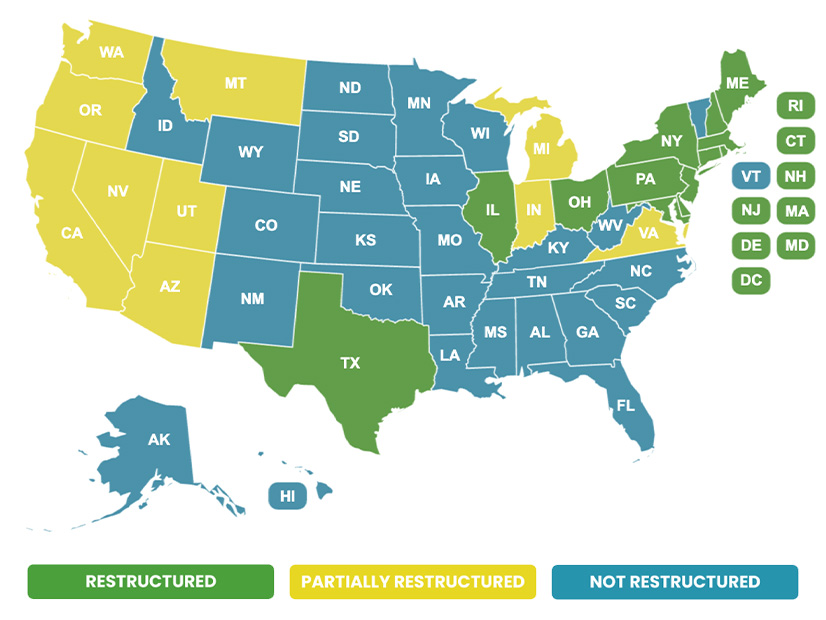
The return of demand growth is something new in the electricity industry, especially as it is being driven by individual consumers whose load can exceed the peak demand of a small state, and it is giving new life to an old argument in state legislatures: restructuring the industry.
PJM
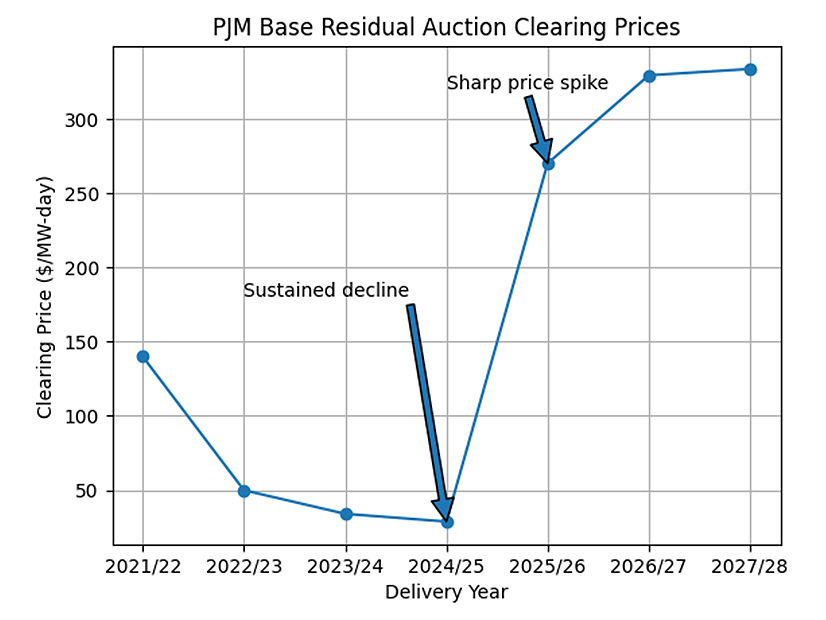
PJM’s capacity market has quietly evolved from a reliability safety net into the primary mechanism supporting much of the region’s electricity supply, writes energy consultant Glenn Davis.

© RTO Insider
The PJM Market Implementation Committee endorsed an RTO proposal to establish penalties for load management and price-responsive demand resources that underperform during pre-emergency deployments.
Want more? Advanced Search
