
Ancillary Services
Terra-Gen
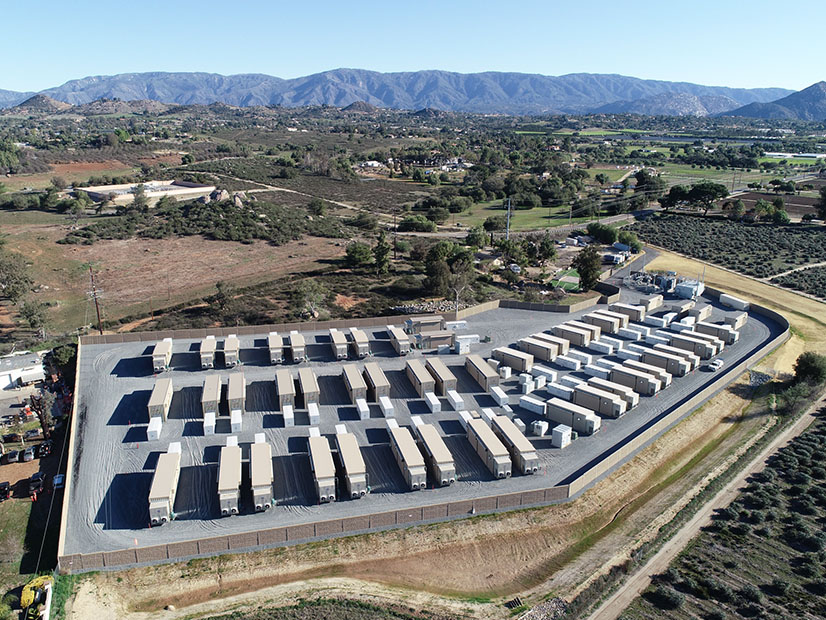
FERC fined Terra-Gen nearly $5 million for strategically using its battery storage resources to repeatedly manipulate CAISO’s market over almost two years.
Midwestern Regional Climate Center and MISO
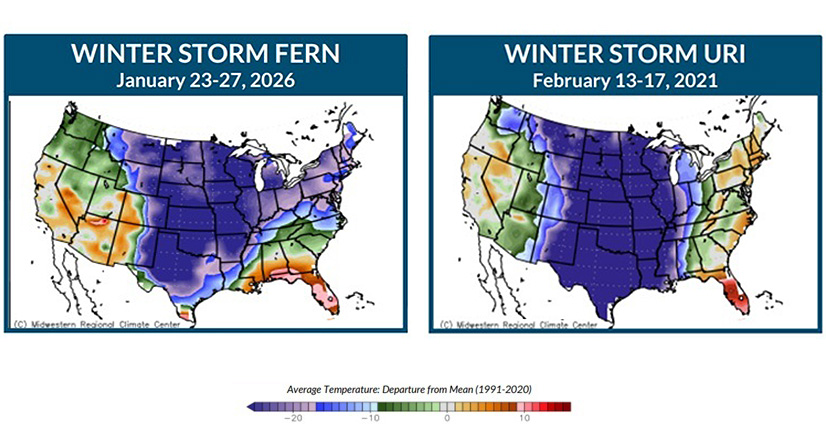
MISO’s maximum generation emergency event during a harsh winter featured under-forecast demand, issues with pricing software and day-ahead models so bogged down by complexity that they took longer to solve.
U.S. Army Corps of Engineers
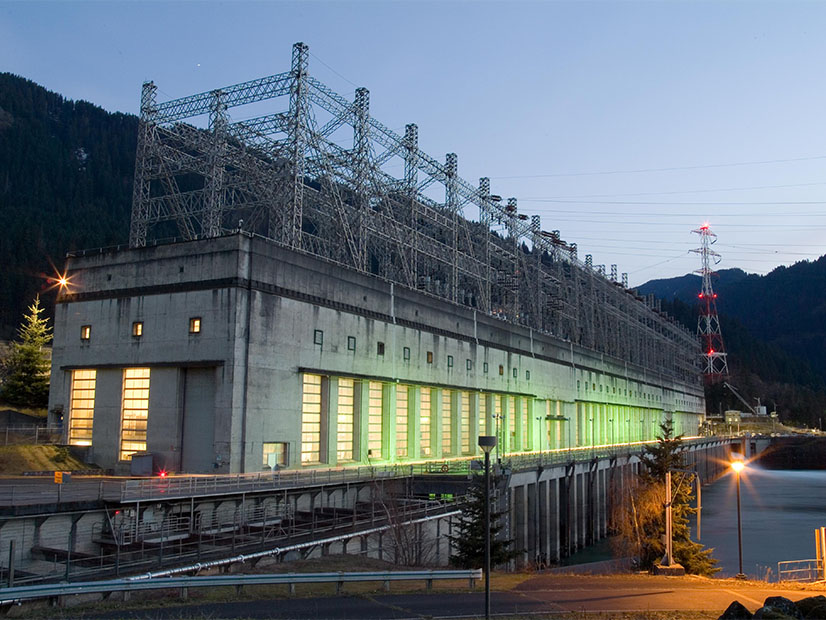
The Bonneville Power Administration’s planned departure from the Western Energy Imbalance Market has prompted questions about how the agency will handle the yearlong period before it joins SPP’s Markets+.
ERCOT
ERCOT plans to use a third workshop to inform the discussion with stakeholders on the Dispatchable Reliability Reserve Service, which faces a June deadline to be brought before the Board of Directors.
ISO-NE
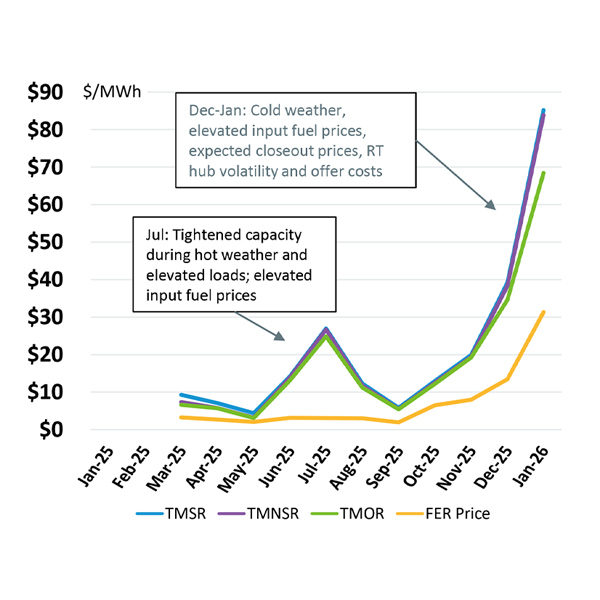
With costs associated with ISO-NE’s new day-ahead ancillary services market far exceeding expectations, the RTO is working to fast-track changes to improve the efficiency of the market in time for next winter.

© RTO Insider
PJM’s Market Implementation Committee passed by acclamation a PJM issue charge seeking to more thoroughly define how storage resources participate in the energy and ancillary service markets.
AES Indiana
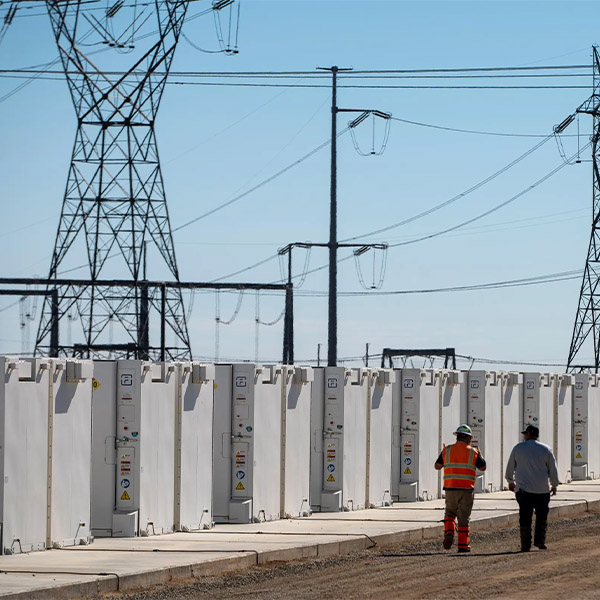
MISO membership called for modernized market rules for energy storage that can capture its chameleon-like roles.

© RTO Insider LLC
New England experienced record high energy costs in the month of January amid cold weather, high gas prices and a heavy reliance on oil-fired generation.
© RTO Insider
Having finally added real-time co-optimization to the market like every other U.S. grid operator with an effort that began in 2019, ERCOT can turn its attention to other pressing issues.
Talen Energy
FERC told PJM to change its rules to allow for co-located load at generators, with new transmission services and other tweaks.
Want more? Advanced Search
