
Energy Market

Oxford Properties
IESO’s plan to give its staff authority to set market parameters without approval by the Board of Directors has sparked a debate over the ISO’s governance and the role of stakeholders.
© RTO Insider
The West-Wide Governance Pathways Initiative soon will begin the nomination process to select the initial board of the independent regional organization that will govern CAISO’s energy markets.

CAISO
A wide variety of stakeholders — including representatives of the DER sector — will serve as advisers to the Pathways Initiative as it enters its next phases.

CAISO
CAISO’s Market Monitor cautioned that a new resource adequacy proposal could lead to strategic gaming in the ISO’s market when capacity supplies are tight on the grid.
Potomac Economics
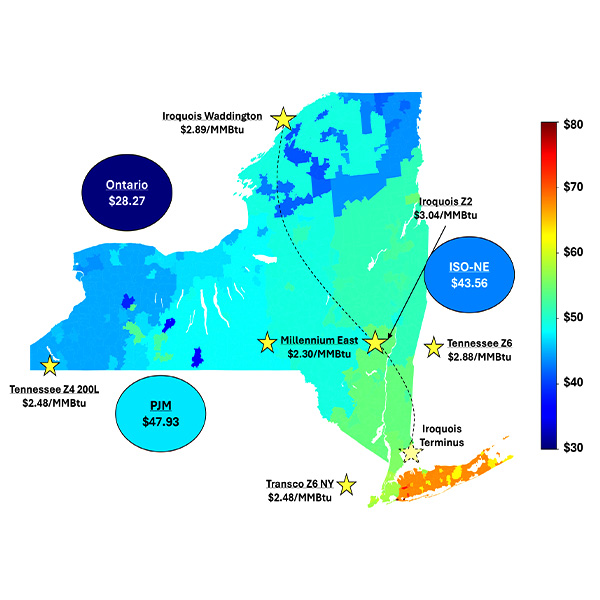
As NYISO continues its Capacity Market Structure Review, the Market Monitoring Unit used its second-quarter State of the Market report to highlight potential issues with how the ISO forecasts resource availability.

SPP
SPP named Tim Vigil, chief member relations and strategy officer for Pacific Northwest Generating Cooperative, as director of the Market Monitoring Unit’s office dedicated to Markets+.
© RTO Insider
MISO said 2025 was the most demanding summer since 2012, though it steered the grid with only a single maximum generation event.

Western Energy
With California passing the bill designed to transition the governance of CAISO’s markets to an independent regional organization, new challenges await the West-Wide Governance Pathways Initiative as the coalition seeks to turn a once-elusive goal into reality.

© RTO Insider
The PJM Market Implementation Committee voted to endorse two packages of revisions to key parameters of the capacity market out of six offered by PJM and stakeholders that resulted from the Quadrennial Review.
PJM
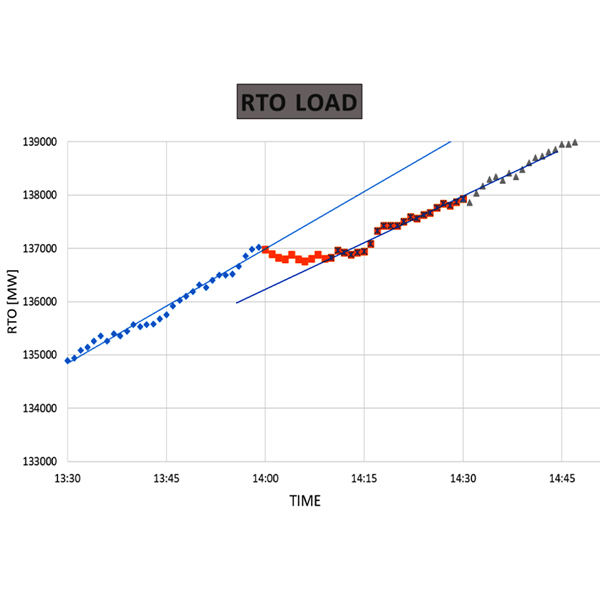
PJM's Operating Committee heard an update on the Aug. 11 load-shedding event in Baltimore, which brought 20 MW offline for about half an hour following equipment failures at the Brandon Shores substation
Want more? Advanced Search
