Energy Market

MISO will not open its doors to stakeholders or visitors for the rest of the year as the coronavirus pandemic runs its course, the RTO said.
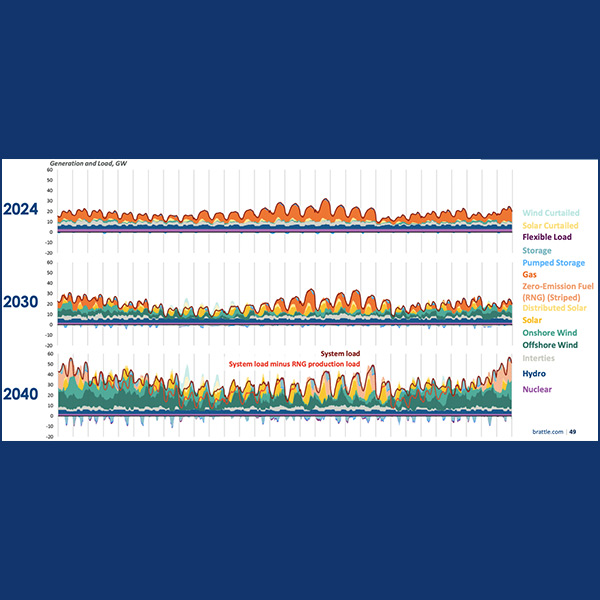
NYISO will face a myriad of challenges as New York decarbonizes its economy and the power sector transitions to zero-emissions generation.
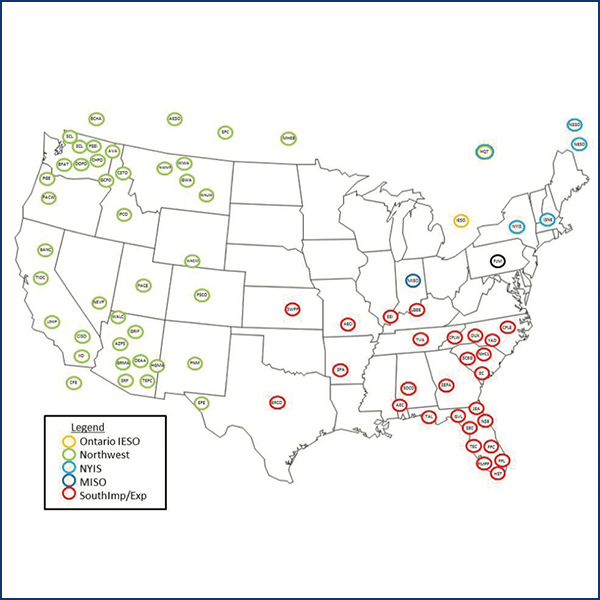
PJM’s first-quarter energy prices fell to their lowest level since the RTO was created in 1999, according to the Monitor’s State of the Market report.

ISO-NE’s winter wholesale market costs totaled $1.8 billion, a 32% decrease from the previous winter because of lower energy and capacity costs.
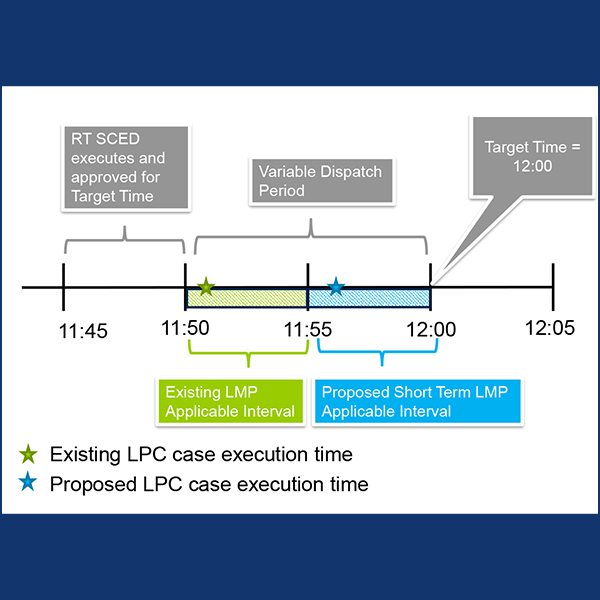
The MIC will choose between a PJM proposal and one from the Monitor to resolve pricing and dispatch misalignment issues in the fast-start pricing plan.
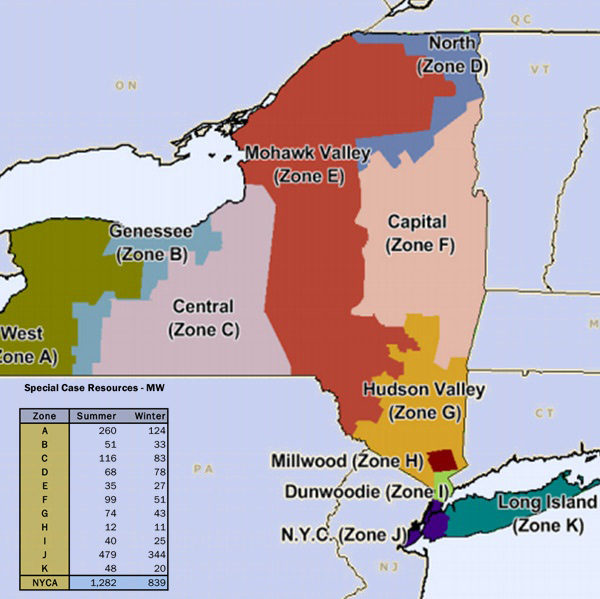
FERC partly accepted NYISO’s compliance filing on buyer-side market power mitigation rules, denying a waiver and rejecting the ISO’s arguments on Tariff language.

The Environmental Defense Fund on released a report on ERCOT‘s competitive energy-only market that concludes it can meet future demand growth, increase grid resilience and keep energy costs down through demand-side solutions.
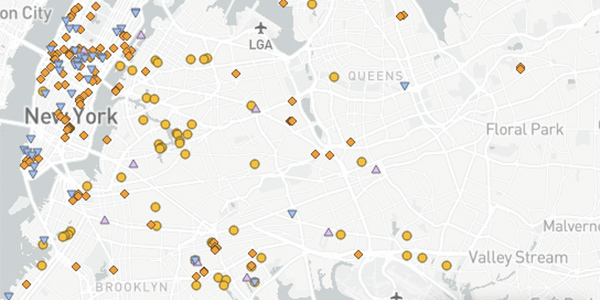
NYISO shared proposed interconnection processes for the participation options the ISO has floated as part of its effort to integrate hybrid storage resources.

MISO is ready to begin testing some of the capabilities of its new market platform as the effort to develop the system enters its fourth year.
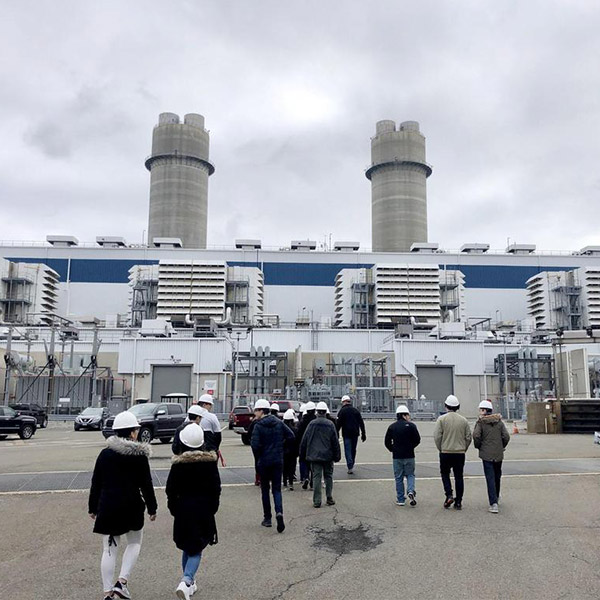
Exelon provoked ire among ISO-NE stakeholders after signaling it plans to keep its Mystic plant open after expiration of its cost-of-service agreement with the RTO.
Want more? Advanced Search