
MISO Resource Adequacy Subcommittee (RASC)
Burns and McDonnell
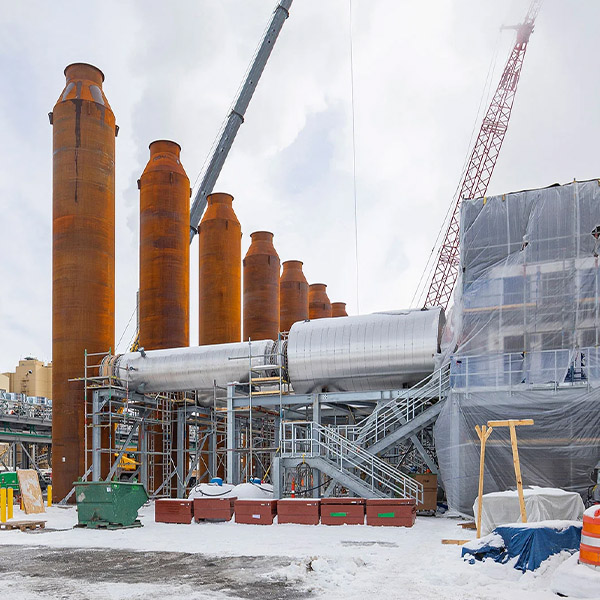
MISO is registering and accrediting resources to meet a roughly 2-GW uptick in load for the 2026/27 planning year.

Shutterstock
MISO signaled an openness to alter its 31-day planned outage rule for units that signed up to be capacity resources.
MISO
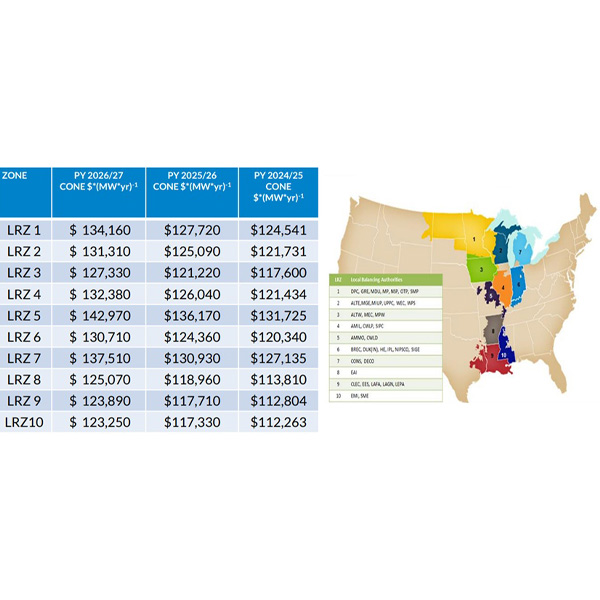
Inflation and higher borrowing costs pushed MISO’s cost of new entry up by about 5% heading into the 2026/27 planning year, but stakeholders are questioning MISO’s use of 2020 data in calculations in order to keep prices lower.
Entergy
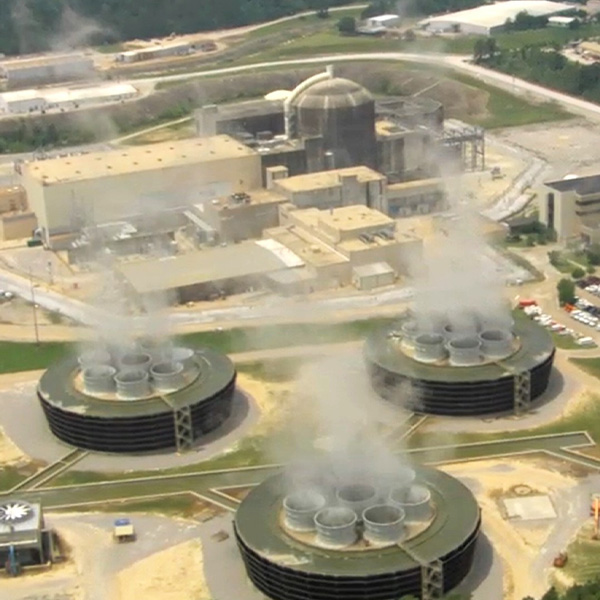
Stakeholders told MISO they need a better explanation of the every-other-day capacity advisories issued for MISO South, which have become customary since the beginning of summer.
Potomac Economics
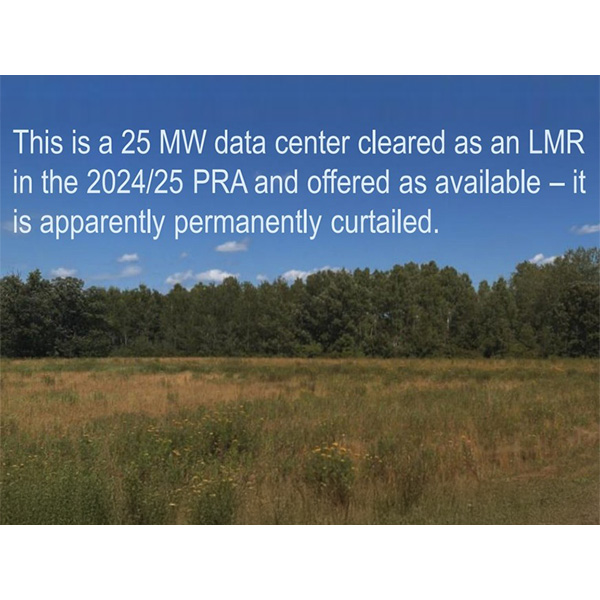
MISO has filed with FERC to impose more exacting testing on its demand response resources in an effort to deflect fraud.

© RTO Insider
MISO stakeholders are skeptical of the RTO’s proposed new approach to divvying up reliability obligations among load-serving entities based on evolving system risk.

MISO
MISO said it no longer will recognize energy efficiency as a capacity resource beginning with the 2026/27 auction.

© RTO Insider
MISO said starting with the 2026/27 planning year, it will require its demand response resources to demonstrate actual demand reductions through tests to weed out imposters in the capacity market.
MISO
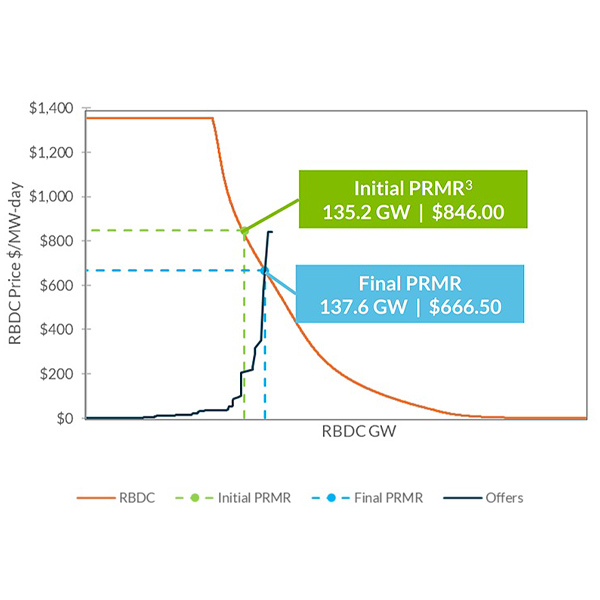
Stakeholders continue to ask MISO to crunch hypothetical auction clearing prices absent the RTO’s new sloped demand curve that sent prices past $660/MW-day for summer.

© RTO Insider LLC
MISO said its next capacity auction in spring 2026 will feature more rigorous testing for its demand response that registers to provide capacity.
Want more? Advanced Search
