Massachusetts

© RTO Insider
Amid uncertainty about how New England will meet rising demand in the coming decades, Massachusetts Gov. Maura Healey issued an executive order to procure 10 GW of new power and 5 GW of energy storage by 2035.
Massachusetts Clean Peak Coalition
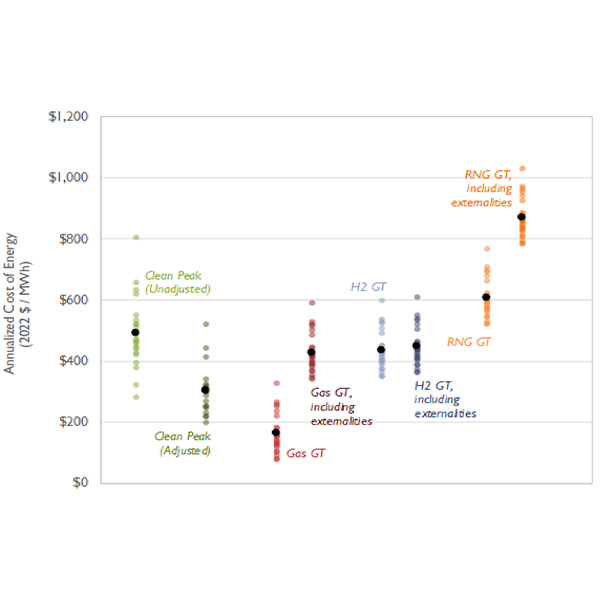
Massachusetts could decarbonize its peaking power portfolio by 2050 through aggressive deployment of wind, batteries and demand flexibility, according to a new analysis by a group of environmental nonprofits.
Eversource Energy
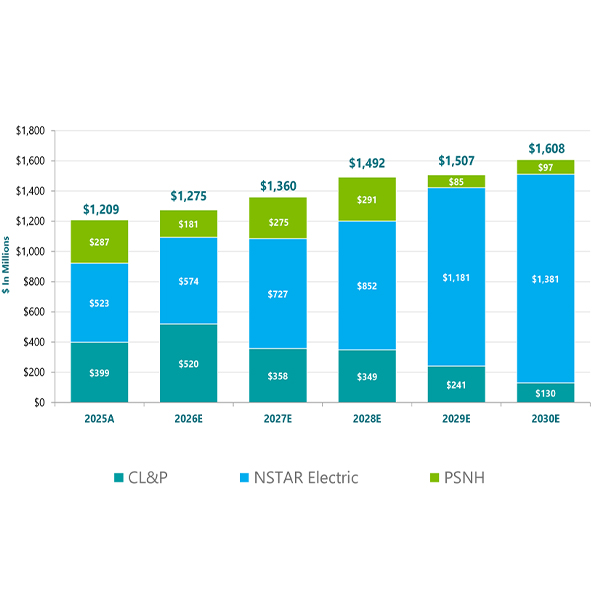
Eversource Energy increased its five-year capital investment plan by $2.3 billion, an increase largely driven by investments in its gas and electric distribution systems.
National Grid
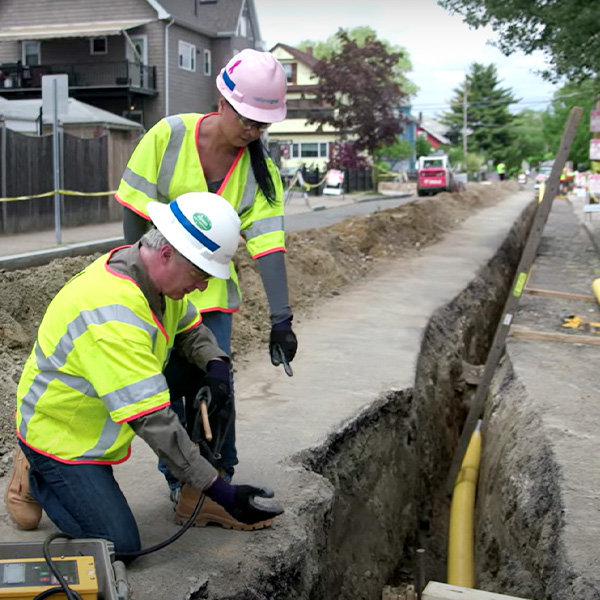
In Massachusetts, a state with some of the most ambitious decarbonization policies in the country, fundamental disagreements between utilities and consumer advocates threaten to derail the transition from natural gas before it even gets off the ground.
Hydro-Québec
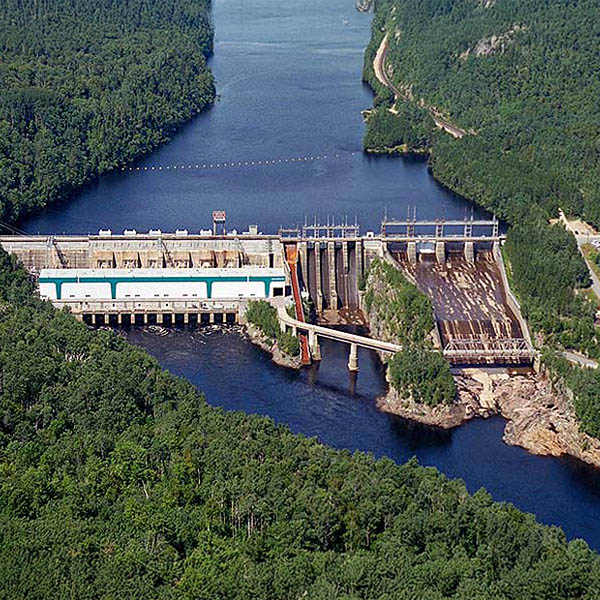
As extreme winter weather descended on the Eastern U.S. and Canada, Hydro-Québec suspended power exports to New England on the New England Clean Energy Connect transmission line because of reliability concerns in Québec.
Shutterstock
Debates about affordability continue to dominate state-level energy policy debates throughout New England, shifting the focus away from decarbonization, a panel of experienced lobbyists said.
Solar Energy Industries Association
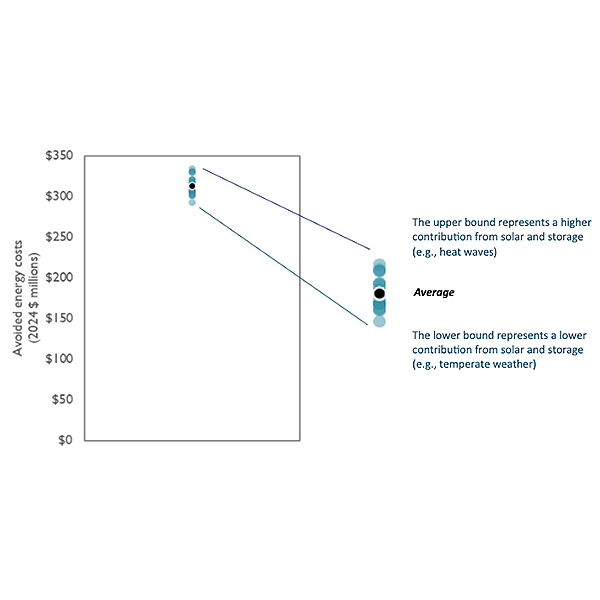
A new report estimates that solar and battery storage growth in New England between 2025 and 2030 could reduce wholesale energy costs across the region by about $684 million annually by 2030.

© RTO Insider
Energy affordability and regional collaboration dominated talks at the New England-Canada Business Council's annual Executive Energy Conference.

Shutterstock
Top Massachusetts House members are pushing an expansive energy bill that would scale back several major climate initiatives and programs.

© RTO Insider
ISO NE CEO Gordon van Welie talked about the evolving grid in New England and how markets are changing and what the future holds as state policies drive higher demand and increasing decarbonization.
Want more? Advanced Search