
Distributed Energy Resources (DER)
© RTO Insider
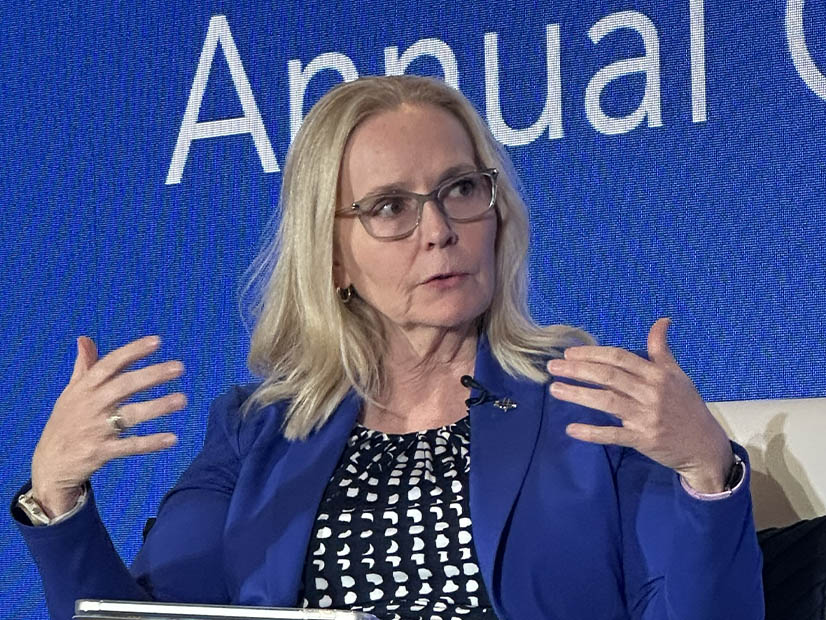
Local distribution companies and bulk transmission system operators need to improve their alignment, IESO CEO Lesley Gallinger said at the ENERCOM 2026 conference.
Virginia Department of Historic Resources
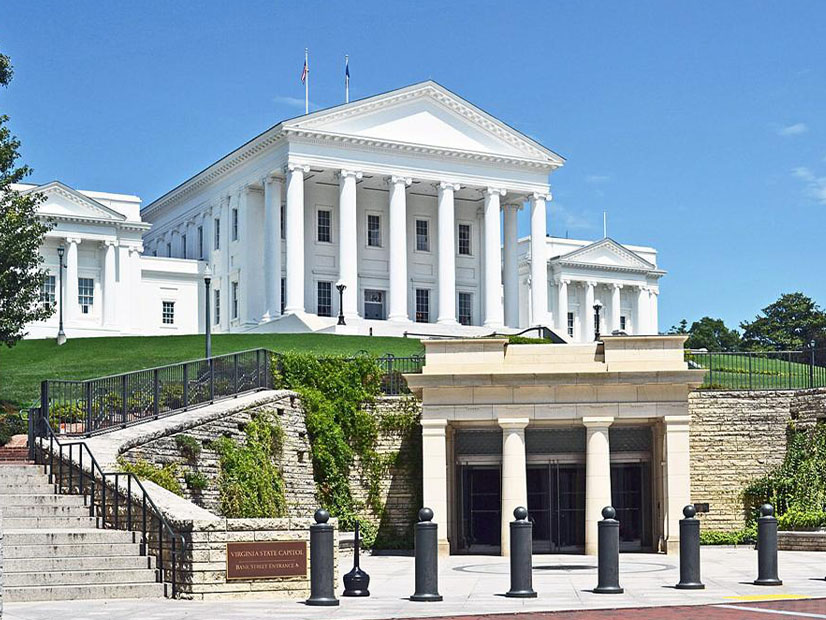
The Virginia General Assembly wrapped up its session and Democrats used the power they won in November's elections to push through bills favoring clean energy as the state faces significant load growth from data centers.
Shutterstock
New York energy storage and solar trade groups are seeking an immediate end to what they say is an effective freeze on interconnection of distributed storage facilities by the state’s largest investor-owned utility.
Wood Mackenzie
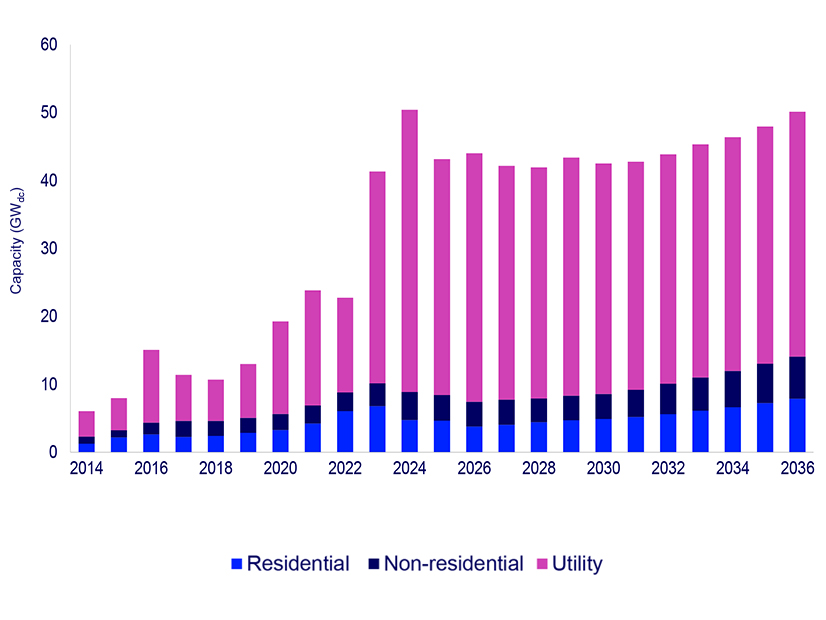
Nearly 40% fewer U.S. solar power projects reached completion in the fourth quarter than in the third quarter as developers pivoted to start new projects in time to qualify for tax credits.
NYISO
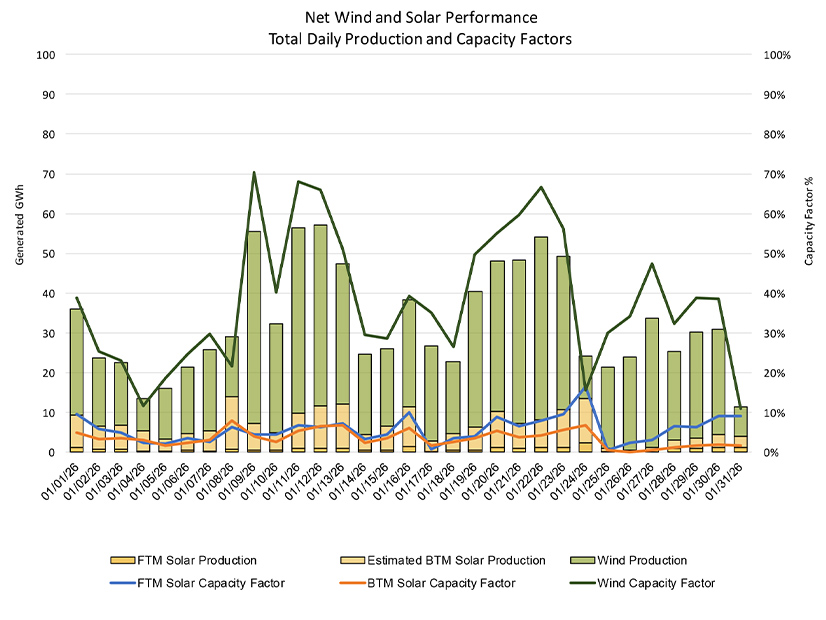
NYISO exceeded its winter baseline peak load forecast on Feb. 7, its COO told the Management Committee.
ERCOT
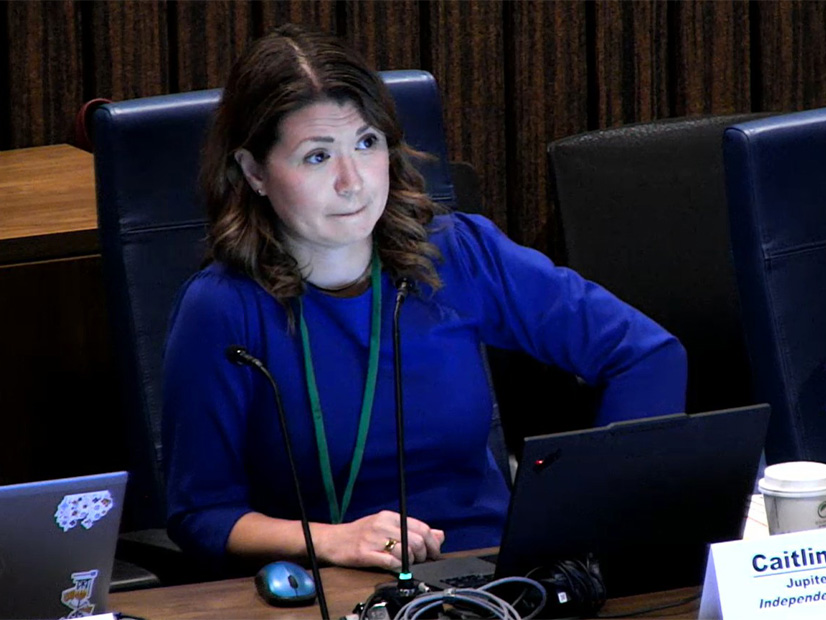
ERCOT plans to use a third workshop to inform the discussion with stakeholders on the Dispatchable Reliability Reserve Service, which faces a June deadline to be brought before the Board of Directors.
Raritan Valley Community College
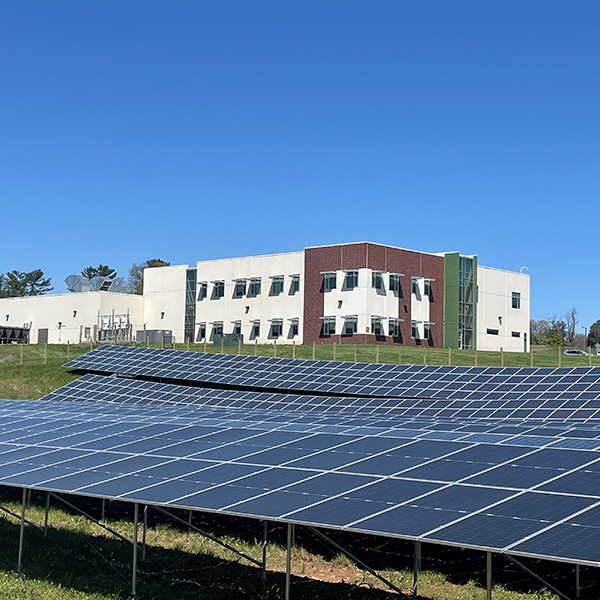
New Jersey’s Board of Public Utilities is asking the state’s four utilities for thoughts on how to help waive regulations and speed up the connection of distributed energy resources as it seeks to modernize its grid.
Shutterstock
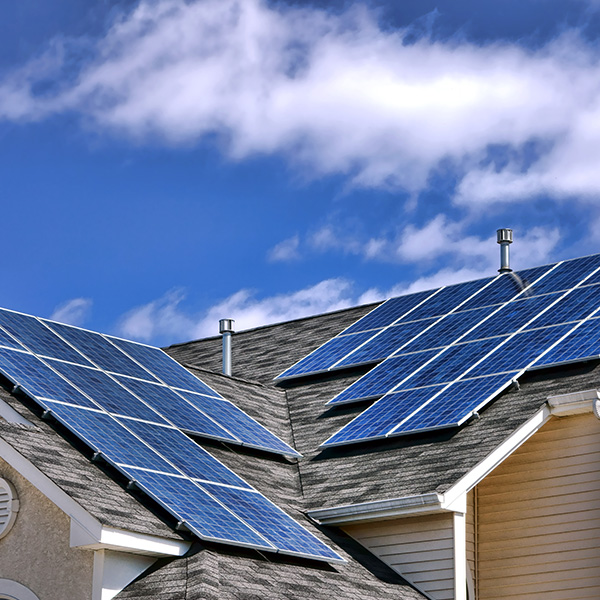
The New York Public Service Commission issued new interconnection rules for distributed energy resource developers and utilities aimed at capturing as many expiring Inflation Reduction Act tax credits as possible for wind, solar and storage projects.
© RTO Insider LLC
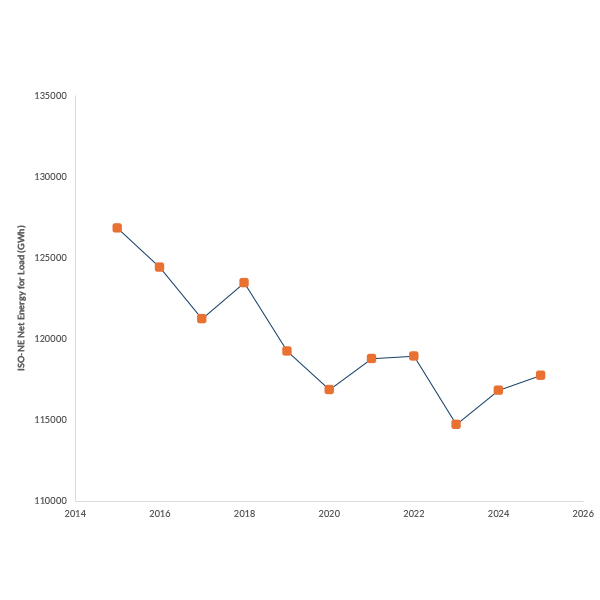
After years of declining or stagnant power demand in New England, annual energy demand ticked up for the second straight year in 2025, potentially indicating the start of a broader upward trend.
Microsoft
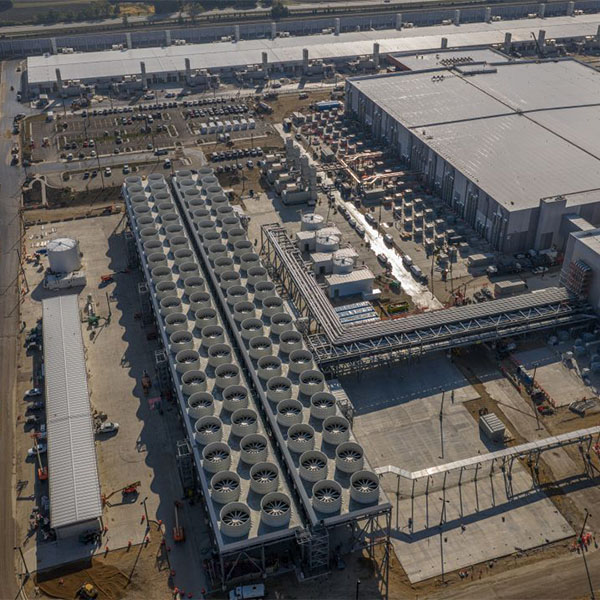
Stakeholders have several lingering questions as MISO continues to draw up a “zero-injection” avenue for large loads with planned on-site generation.
Want more? Advanced Search
